Norwegian Company Tests Offshore Platform Combining Solar
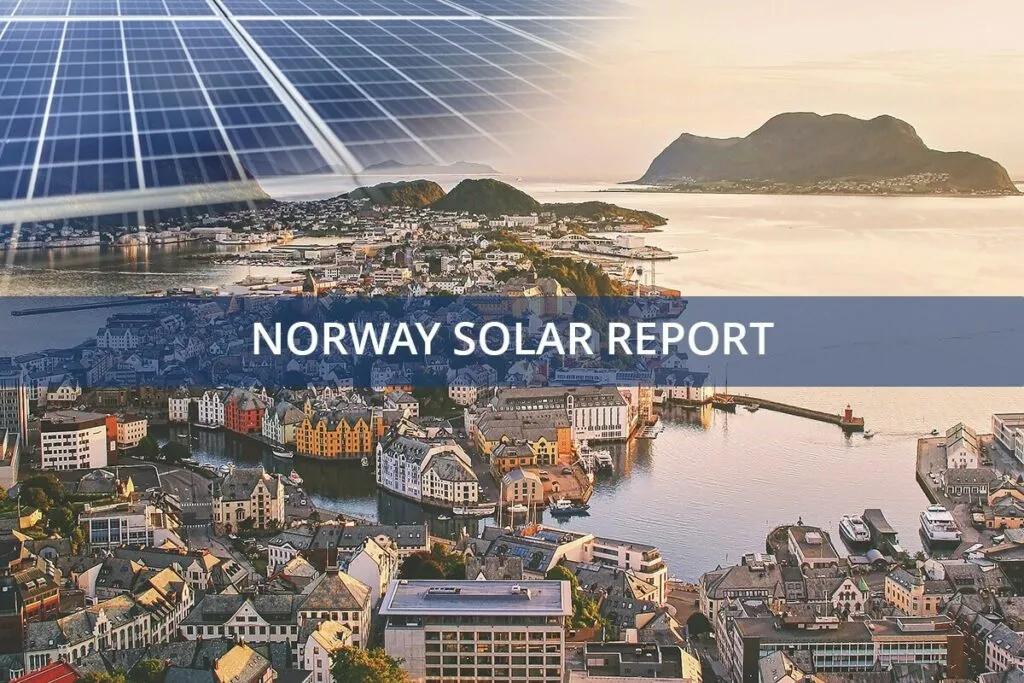
The quest for sustainable energy is pushing innovation into new frontiers, most notably the vast, untapped potential of our oceans. Norway, a nation with a deep maritime heritage, is emerging as a key player in this blue-energy revolution. The latest developments signal a move towards sophisticated offshore platforms that combine multiple renewable sources, with a particular focus on integrating solar power to create more reliable and efficient energy hubs at sea.
Norway’s Offshore Renewable Energy Platform Ambitions
Norway’s commitment to offshore renewables is well-established. The country has clear ambitions to deploy advanced energy systems, such as smart wind turbines, far from its coasts. This strategic push leverages its extensive experience in offshore engineering from the oil and gas sector to build a new, green energy future. The development of hybrid platforms that can host more than one type of renewable technology is a natural progression of this strategy, aiming to maximize energy output from a single offshore footprint.
A Hub for Green Technology Innovation
This ambition is backed by a vibrant ecosystem of Norwegian companies pioneering critical green technologies. For instance, Oslo-based Nel ASA recently unveiled a next-generation pressurized alkaline electrolyzer system. As reported by PV Magazine, this new platform is expected to significantly advance the production of green hydrogen, a crucial energy carrier for decarbonizing heavy industry and transport. Such advancements are often synergistic with offshore renewable projects, which can provide the abundant clean electricity needed for electrolysis, turning wind and sun into a storable, transportable fuel.
Exploring the Full Spectrum of Ocean Energy
Beyond wind and hydrogen, the focus is broadening to encompass other marine energy sources. The potential of wave power, in particular, is gaining significant traction. In a sign of growing investor confidence, Panthalassa, a company developing floating nodes for offshore wave zones, recently secured a substantial $140 million in funding to advance its systems. In parallel, initiatives like the wave data campaign in Martinique are paving the way for new pilot projects, highlighting a global effort to harness the consistent power of ocean waves.
The Synergy of Hybrid Offshore Platforms
The logical next step in this evolution is the creation of hybrid platforms that co-locate multiple technologies. The concept of an offshore platform combining solar panels with wind turbines or wave energy converters is a powerful one. While specific details on a singular test are emerging, the broader activities of Norwegian renewable energy companies like Scatec, which is expanding its international portfolio, point towards a future where such integrated solutions become commonplace. Combining solar with other offshore sources addresses intermittency challenges and maximizes the energy yield from a single marine location, making projects more economically viable.
A Collaborative Push for a Carbon-Neutral Future
Ultimately, achieving a carbon-neutral energy system requires deep collaboration and a shared vision. As highlighted in a recent recognition of Hitachi Energy by Engie, the path forward is built on “trust, innovation, and a shared purpose.” The testing of new hybrid offshore platforms, blending technologies like solar, wind, and wave, is a testament to this collaborative spirit. Norway’s leadership in this domain signals a promising new chapter in the global transition to clean energy, where the oceans will play a central role in powering our world.