Pakistan’s Energy Mix in 2025: Solar to Become a Leading Power Source
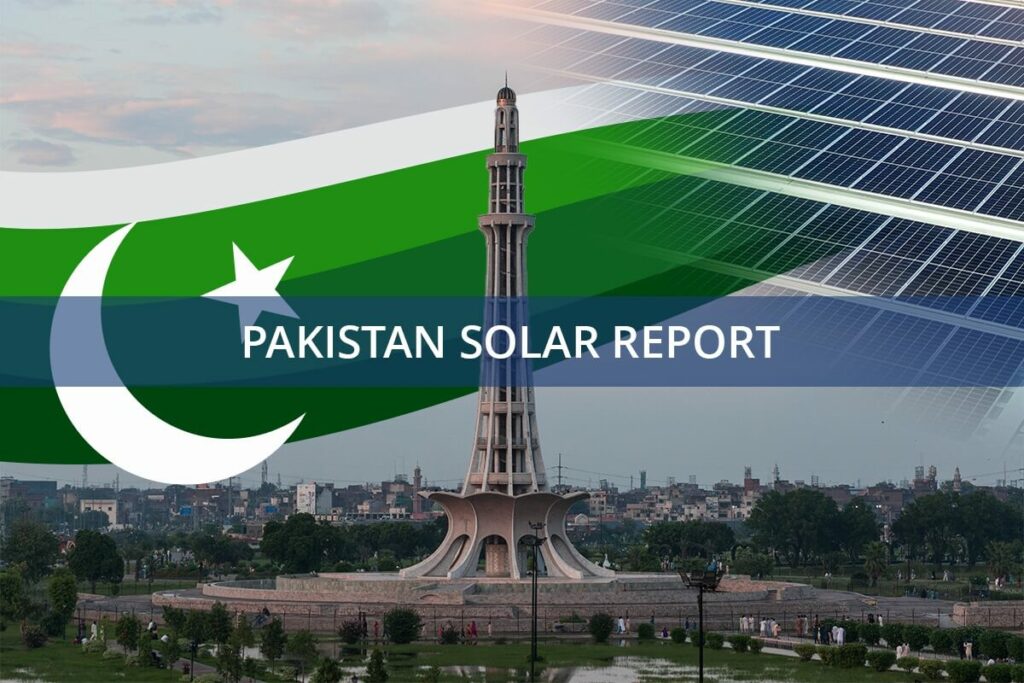
In 2025, solar power is poised to become a leading source of electricity in Pakistan, marking a significant milestone for the country’s energy sector. According to recent data from the National Electric Power Regulatory Authority (NEPRA), solar electricity generation is expected to reach 4,447 gigawatt-hours (GWh) in 2025, surpassing the 2,000 GWh milestone for the first time. This surge is reflected in the country’s solar imports, which reached an impressive 13 GW in 2024, as highlighted in this report on Pakistan solar imports.
Pakistan Solar Power Generation Set to Double in 2025
Pakistan’s solar energy production is projected to jump from 2,438 GWh in 2024 to nearly double that at 4,447 GWh in 2025. This substantial increase is driven by the government’s commitment to expanding renewable energy sources and reducing its reliance on fossil fuels, as detailed in this analysis of Pakistan’s solar power surge. Policies such as the Solar Panel Duty Exemption Policy have been crucial in accelerating this growth.
The NEPRA report highlights that solar power’s share of Pakistan’s total electricity generation is expected to increase to 1.6% in 2025, up from 0.7% in 2024. This growth is part of a broader trend toward renewable energy adoption as the country seeks to diversify its energy mix and improve environmental sustainability. This shift also aligns with the global trend of decreasing renewable energy costs, which makes solar increasingly cost-competitive, as discussed in the Pakistan Solar Panel Manufacturing Market Insights Report.
Wind Power Generation Also On the Rise in Pakistan
Alongside solar, wind power generation in Pakistan is also poised for significant growth. The NEPRA report projects that wind generation will reach 4,528 GWh in 2024 before increasing to 5,946 GWh in 2025. As a result, wind power’s share of total electricity generation is expected to rise from 1.7% in 2024 to 2.2% in 2025.
The combined growth of solar and wind power underscores Pakistan’s commitment to renewable energy as a core part of its long-term strategy. This strategic shift is essential for reducing greenhouse gas emissions and mitigating the impacts of climate change.
Hydropower Remains Key Amid Solar and Wind Growth
Despite the rapid growth in solar and wind, hydropower will remain a significant contributor to Pakistan’s electricity generation. The NEPRA report forecasts hydropower generation will reach 42,918 GWh in 2024 and 46,889 GWh in 2025, accounting for 15.7% and 17.1% of total electricity generation, respectively.
Hydropower has long been a cornerstone of Pakistan’s energy portfolio, providing a stable and reliable source of electricity. The continued expansion of hydropower capacity, alongside the growth of solar and wind, will help ensure a balanced and resilient energy system. This diversified approach is further bolstered by investments, such as those from Chinese solar companies in Punjab, as reported here.
Challenges and Opportunities for Pakistan Solar Power
While Pakistan’s growth in renewable energy is promising, several challenges remain. The NEPRA report notes that the country’s electricity generation is still heavily reliant on thermal power plants, with a projected share of 57.3% in 2024 and 56.7% in 2025. Coal-fired power plants, in particular, are expected to contribute 25.4% of total electricity generation in 2025.
To achieve a more sustainable energy mix, Pakistan must continue investing in renewable energy infrastructure and technology. The government’s efforts to promote solar and wind power, alongside ongoing hydropower projects, are crucial for reducing the country’s dependence on fossil fuels. This transition is further supported by initiatives such as the State Bank of Pakistan’s financing scheme for renewable energy projects, as mentioned in the Market Insights Report.
Ultimately, the projected growth across solar, wind, and hydropower reflects Pakistan’s commitment to diversifying its energy sources and reducing its carbon footprint. However, continued investment and policy support will be essential for overcoming the remaining challenges and fully realizing the country’s renewable energy potential.