Powering Education with Saint Lucia solar panels in Schools: A UN Initiative
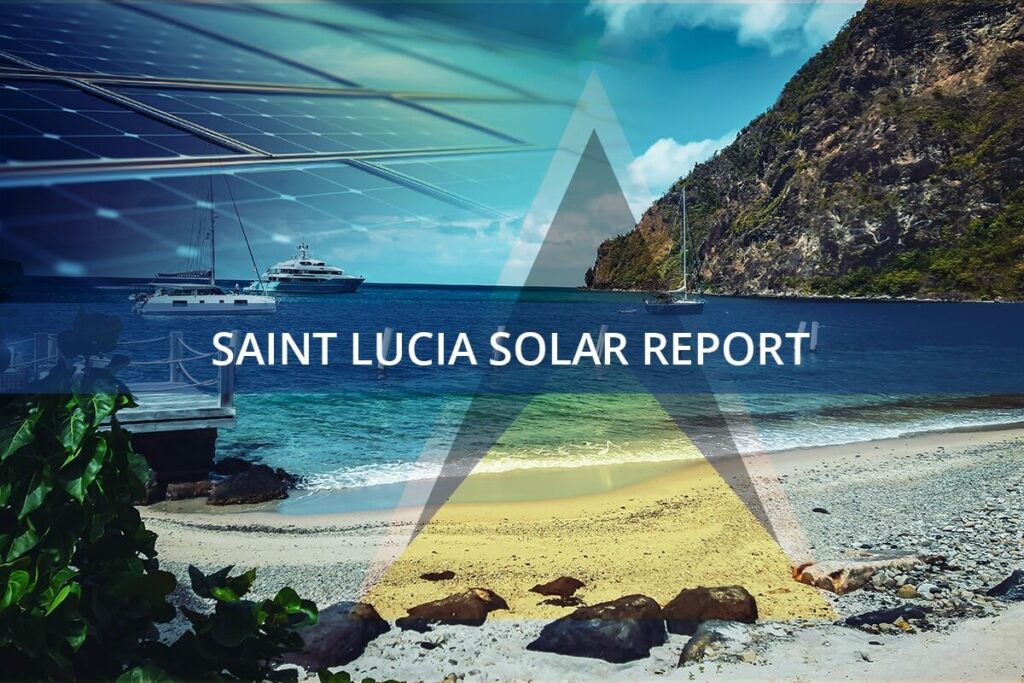
In a significant step towards sustainable development and climate resilience, the United Nations Office for Project Services (UNOPS) has equipped 12 schools in Saint Lucia with solar panels. This initiative, which includes institutions like the Derniere Riviere Combined School, is a key component of the Japan Caribbean Climate Change Partnership (J-CCCP), implemented in collaboration with the United Nations Development Programme (UNDP).
A Brighter, More Sustainable Future with Saint Lucia solar panels for Students
This project is about more than just providing electricity; it’s an investment in a sustainable future for the island nation. By harnessing solar power, these schools can reduce their reliance on the fossil fuel-based grid, leading to lower operational costs and a more reliable energy supply, which is crucial in a region susceptible to extreme weather events. The stable power ensures that the learning environment for students is not disrupted.
This initiative aligns perfectly with the broader mandate of partners like the UNDP, which focuses on sustainable development and climate resilience. For the students, it offers a tangible lesson in renewable energy and environmental stewardship, inspiring a new generation to think sustainably.
The Technology Driving the Saint Lucia solar panels Change
The solar panels at the heart of this project are marvels of modern engineering. Understanding the [basics of solar panel manufacturing] reveals a complex process that turns simple elements into sources of clean energy. The journey begins with high-purity silicon, one of the primary [solar panel raw materials], which is processed into wafers, cells, and finally, assembled into modules.
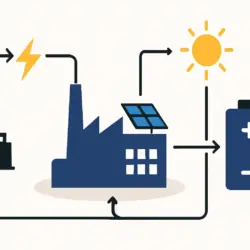
The complete [solar panel manufacturing process] involves intricate steps, from cell production and stringing to lamination and framing, all requiring specialized [solar panel manufacturing machines] to ensure durability and efficiency. This technology, once assembled and installed on the rooftops of Saint Lucian schools, becomes a silent, powerful engine for progress. The investment in such infrastructure is significant, reflecting the high value placed on sustainable energy solutions. For perspective on the capital involved in production, one can look at the typical [solar panel manufacturing plant cost breakdown].
A Global Partnership for Local Impact of Saint Lucia solar panels
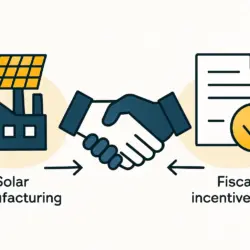
The collaboration between UNOPS, the UNDP, and the J-CCCP demonstrates a powerful model for international cooperation. UNOPS, with its expertise in project management and infrastructure, handles the implementation, ensuring the solar installations are completed efficiently and to high standards. The UNDP provides the strategic framework, linking the project to national development goals and global climate action targets.
This project is a practical application of building climate resilience, empowering communities to adapt to and mitigate the effects of climate change through sustainable infrastructure.
From the Caribbean to Germany: A Shared Saint Lucia solar panels Goal
While this initiative is transforming schools in the Caribbean, it mirrors a global energy transition that is also deeply relevant for homeowners and tenants in Germany. The push to adopt renewable energy is a worldwide phenomenon, driven by the shared urgency to reduce carbon emissions. In Germany, government incentives and the Renewable Energy Sources Act (EEG) have encouraged widespread adoption of solar power on residential and commercial buildings.
The story of Saint Lucia’s schools serves as an inspiring example for German residents, highlighting how localized solar installations contribute to a larger, global objective. Whether it’s powering a classroom in the Caribbean or a home in Bavaria, the fundamental goal is the same: creating a cleaner, more sustainable, and energy-independent future.
If you are inspired by this story and wish to deepen your own understanding of solar technology, from production to application, consider exploring our [free e-course] to learn more.