Saint Lucia is set to take a major leap in its renewable energy journey, planning to launch a tender in 2025 for a 10 MW solar project paired with a significant 13 MW of battery energy storage. This initiative is a cornerstone of the island’s strategy to slash its reliance on volatile fossil fuel markets and bolster its energy resilience against climate-related challenges.
Landmark Achievement: The Saint Lucia solar project
Saint Lucia is preparing to launch a call for proposals for a 10 MW solar project coupled with a 13 MW battery energy storage system. The project, which will be strategically located at the Hewanorra International Airport in Vieux Fort, is slated for tender in 2025. This initiative aims to fundamentally shift the energy supply paradigm on the island by integrating dispatchable renewable energy into the national grid. This project is a crucial step towards meeting the essential 2025 target for renewable energy generation.
The project is a collaborative effort between the Government of Saint Lucia and the island’s utility, Saint Lucia Electricity Services Limited (LUCELEC). The initiative is being developed with crucial support from the Caribbean Development Bank (CDB) and the United States Agency for International Development (USAID) through the Partnership to Advance Clean Energy – Island Resilience (PACE-IR) program.
Battery Storage: Powering the Saint Lucia solar project
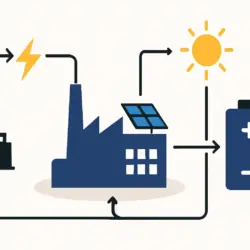
The 13 MW battery energy storage system is the project’s critical enabling component. It moves beyond simply generating clean energy; it ensures that energy is available when needed. The system will store excess energy generated by the solar panels during peak sunlight hours and dispatch it to the grid during the evening or on cloudy days. This capability is vital for managing fluctuations in energy demand and providing grid stability. Battery storage will play an indispensable role in enhancing the reliability and resilience of the island’s electricity supply, particularly during peak demand periods and in the aftermath of natural disasters.
The project is expected to deliver significant economic benefits by reducing the island’s dependence on imported fossil fuels, which currently accounts for a staggering 98% of Saint Lucia’s energy supply. According to USAID, the project is projected to save approximately US$3.6 million annually in fuel costs and reduce greenhouse gas emissions by 19,000 tons per year, contributing significantly to the nation’s climate goals.
Global Support for the Saint Lucia solar project
The PACE-IR program—a US$20 million initiative funded by USAID—is designed specifically to promote clean energy solutions and climate resilience in island nations. Implemented by Tetra Tech ES, Inc., the program has been instrumental in advancing renewable energy projects in Saint Lucia and across the Caribbean by providing technical expertise, financial support, and capacity-building initiatives.
Saint Lucia’s efforts are part of a broader, accelerating regional trend towards sustainable energy in the Caribbean. The island nation is an active member of the Caribbean Renewable Energy Development Programme (CREDP), which seeks to increase the share of renewables in the region’s energy mix. Other Caribbean nations are on a similar path; for instance, Barbados is advancing its own goals with the St. Lucy solar plant launch, while Jamaica and the Bahamas are also investing heavily in solar and wind projects to reduce fossil fuel dependency.
Challenges and Opportunities for the Saint Lucia solar project
Implementing large-scale renewable energy projects in Small Island Developing States like Saint Lucia presents unique challenges. Limited land area and dispersed populations can create logistical hurdles for deploying infrastructure. Furthermore, the high upfront investment required for such projects can be a barrier. A clear understanding of the solar panel manufacturing plant cost breakdown highlights the capital-intensive nature of building a local supply chain.
However, robust international support from organizations like USAID and the Caribbean Development Bank has been instrumental in overcoming these obstacles. By providing financial assistance, technical expertise, and policy support, these partners are helping Saint Lucia navigate the complexities of its energy transition. This project not only moves the nation closer to its 35% renewable energy goal by 2025 but also creates opportunities for local economic development and builds technical capacity for a sustainable future. While this plant will use imported components, it lays the groundwork for future growth in the local green sector, a topic covered in our Saint Lucia solar market analysis and insights.
To gain a deeper understanding of the technology driving this change, consider exploring our free e-course on solar panel manufacturing.