The Centre for Northeast Studies and Policy Research (C-NES) has launched a major innovation in healthcare delivery: solar-powered boat clinics in Assam’s riverine communities.
Running on solar energy, these floating clinics provide essential medical services to isolated island dwellers, addressing critical healthcare gaps in some of India’s most remote regions.
Visionary Start to Solar-Powered Healthcare
C-NES—founded by journalist and documentary filmmaker Sanjoy Hazarika—began this mission to address healthcare disparities in Assam’s remote regions. In collaboration with the National Rural Health Mission, Hazarika launched the boat clinics in 2005, with a focus on bridging the healthcare gap for women and children in the area.
Initially, the clinics ran on kerosene generators, which provided limited power and posed environmental challenges. Recognizing the need for a more sustainable energy source, C-NES partnered with the SELCO Foundation in 2017 to equip the boats with 3 kV solar panels. This upgrade was a significant turning point, enhancing the reliability and environmental impact of the clinics while setting a new standard for sustainable healthcare in remote areas.
Dr. Hussain—a key healthcare provider on the boat clinics—emphasized the critical role of solar energy: “The solar-powered chilling units are essential for preserving vaccines, and the fans have vastly improved our working conditions, especially during the intense summer heat. Without this upgrade, maintaining the quality of healthcare services in such remote areas would have been far more challenging.”
Reaching Remote Communities with Solar-Powered Health Camps
Every month, the solar-powered boat clinics serve 14 districts across Assam. Each team—made up of two medical officers, a laboratory technician, a pharmacist, and three nurses—provides primary healthcare services, including routine immunizations, antenatal care, and treatment for common ailments. The consistent availability of renewable energy allows these teams to offer reliable healthcare, even in the most challenging environments.
The use of solar energy has been a game-changer for these mobile health camps. Riturekha Barua, the district programme officer of Majuli, explains, “We often stay on the boats for up to 18 days a month. The introduction of solar energy has significantly improved our living conditions and the quality of care we can provide.”
Impact of Solar Energy on Healthcare Success
In the first year after the solar-powered boat clinics launched, they treated over 10,000 patients. Today, the range of services has expanded to include vaccinations for diseases like measles, Japanese encephalitis, and polio, as well as screening for conditions such as hemoglobin disorders, blood glucose levels, sickle cell anemia, and tuberculosis.
Despite challenges like frequent inundation and erosion, the solar-powered boat clinics have become a lifeline for the riverine communities of Assam. By harnessing solar energy, these clinics are not just improving health outcomes but also fostering social change in these isolated regions. The ability to provide consistent, high-quality healthcare has built trust within these communities and encouraged more people to seek medical help.
Scaling Up Solar Energy for Future Healthcare
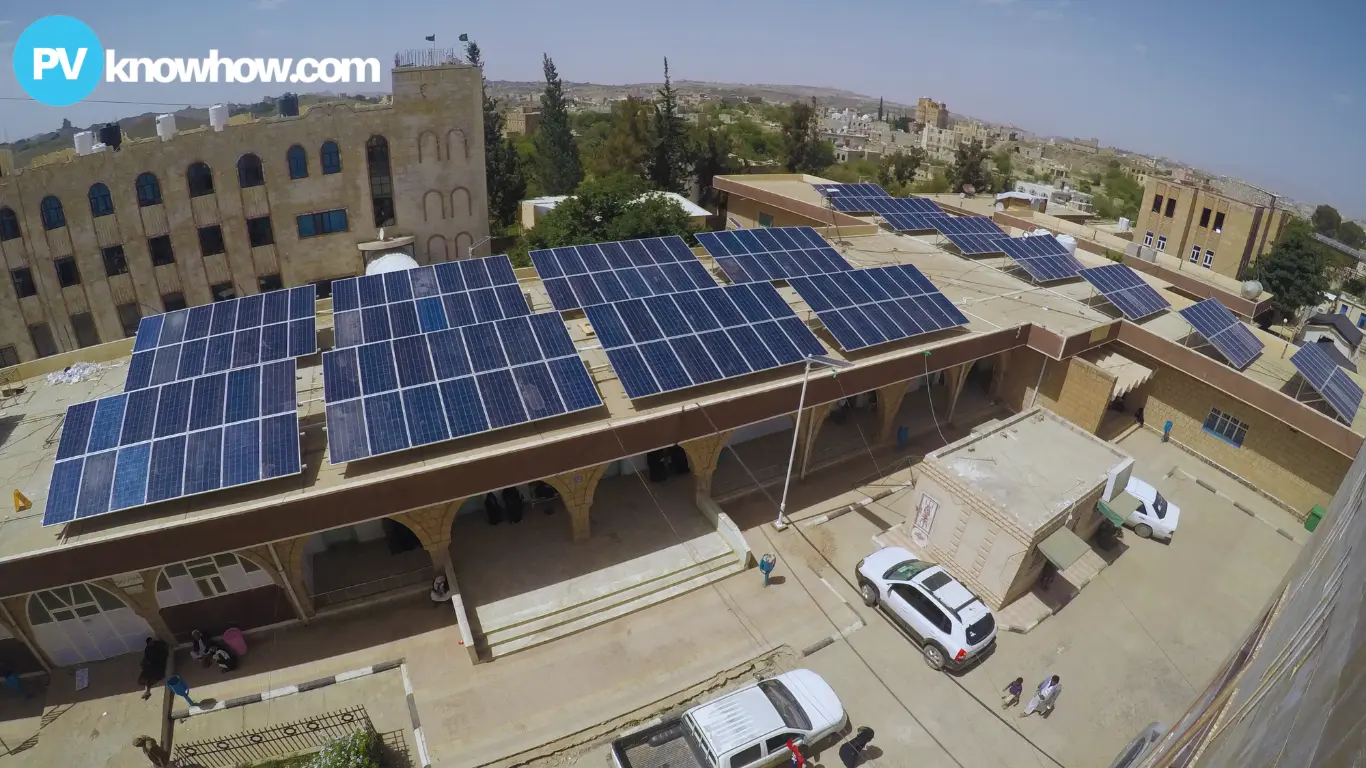
Solar power improves energy reliability, providing comfort and efficiency for healthcare professionals.
While the current solar setup has brought substantial improvements, increasing its capacity would further enhance the clinics’ efficiency and the healthcare teams’ comfort. Dr. Hussain highlights the potential benefits: “With increased solar capacity, we can ensure a more consistent power supply, allowing us to rest and recharge after long days of service.”
The success of Assam’s solar-powered boat clinics underscores the transformative potential of solar energy in addressing critical healthcare needs in remote areas. The innovative approach by C-NES not only improves healthcare delivery but also sets a sustainable development model that can be replicated in other regions facing similar challenges.
As these solar-powered clinics continue to serve the riverine communities of Assam, they exemplify the broader potential of renewable energy to revolutionize healthcare in underserved areas. The initiative demonstrates how solar energy can be harnessed to create a lasting impact on community health and well-being, paving the way for future innovations in sustainable healthcare solutions.