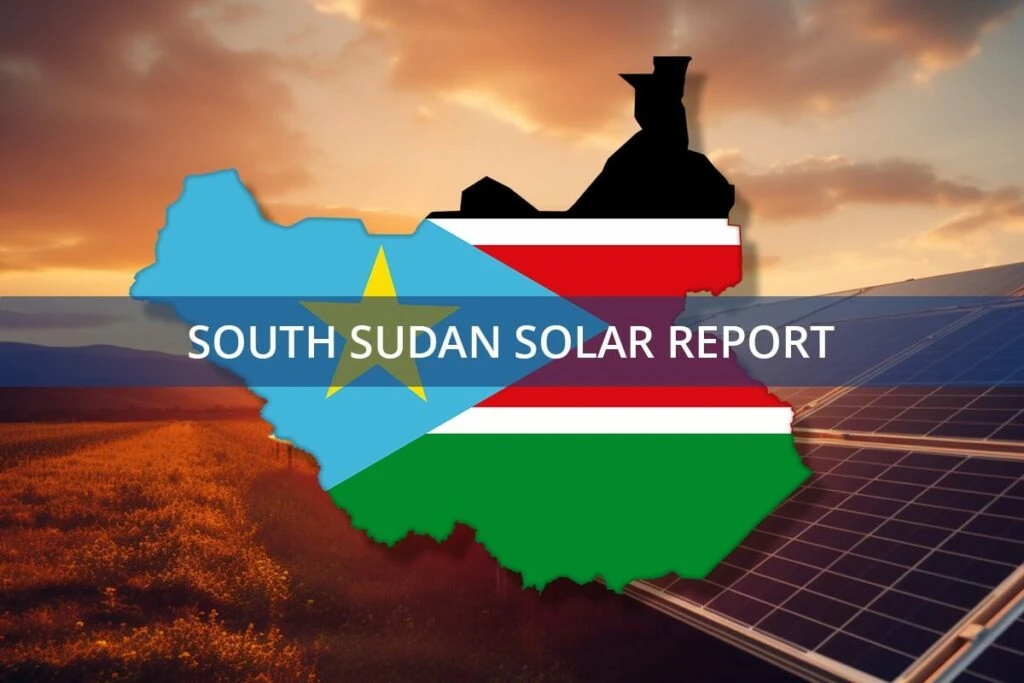
Empowering Communities with Solar South Sudan Solutions
In regions grappling with the dual challenges of energy poverty and gender inequality, innovative solutions are not just welcome; they are essential. The expansion of women-led solar panel distribution in South Sudan represents a powerful convergence of sustainable development, economic empowerment, and community resilience. This initiative, spearheaded by organizations like Solar Sister, is more than just delivering technology—it’s about igniting a network of local female entrepreneurs to bring light and opportunity to the last mile.
The Model: Women Driving Solar Energy Adoption
The core of this transformative approach lies in its simple yet profound model: identify, train, and support local women to become clean energy entrepreneurs. Instead of a top-down distribution system, this creates a trusted, community-based network. These women are not just sales agents; they are leaders, educators, and business owners who understand the specific needs of their neighbors.
By equipping them with business skills, marketing knowledge, and a portfolio of high-quality solar products—from small lanterns to systems capable of powering homes and small businesses—the program builds a sustainable ecosystem. Women earn an income, gain financial independence, and become respected figures in their communities. This direct economic empowerment has a well-documented ripple effect, as women are more likely to invest their earnings back into their families’ health, nutrition, and education.
Tackling Energy Poverty in South Sudan with Solar Power
Access to reliable electricity remains one of the most significant barriers to development in South Sudan. The vast majority of the population lives without a connection to a power grid, relying instead on expensive, inefficient, and often dangerous energy sources like kerosene lamps, candles, and diesel generators. The smoke from kerosene contributes to indoor air pollution, a major health risk, particularly for women and children who spend more time at home.
The introduction of affordable solar panels directly addresses these challenges. A single solar lamp can transform a household, allowing children to study after dark, extending business hours for small shops, and improving safety and security at night. For a country striving for stability and growth, this access to clean, reliable light is a fundamental building block for progress.
Solar South Sudan: A Catalyst for Broader Change
The expansion of a women-led distribution network in South Sudan is a strategic intervention with far-reaching implications. It is a practical application of the principle that sustainable development must be inclusive to be effective.
Economic Resilience: By creating new income-generating opportunities for women, the initiative fosters local economic growth and reduces dependency on aid. It builds a market-based solution that can be scaled and sustained over the long term.
Social Empowerment: When women become successful entrepreneurs, it challenges traditional gender roles and norms. They gain a stronger voice in household decisions and community affairs, paving the way for greater gender equality.
Climate Action: Every solar panel that replaces a kerosene lamp is a small but significant victory for the climate. This grassroots movement contributes directly to reducing carbon emissions and building a cleaner energy future from the bottom up.
As global conversations on sustainability continue, it is crucial to recognize the power of on-the-ground, people-centered solutions. The work of empowering female solar entrepreneurs in South Sudan is a shining example of how investing in women is one of the most effective ways to illuminate entire communities, fostering a brighter, more equitable, and sustainable future for all.