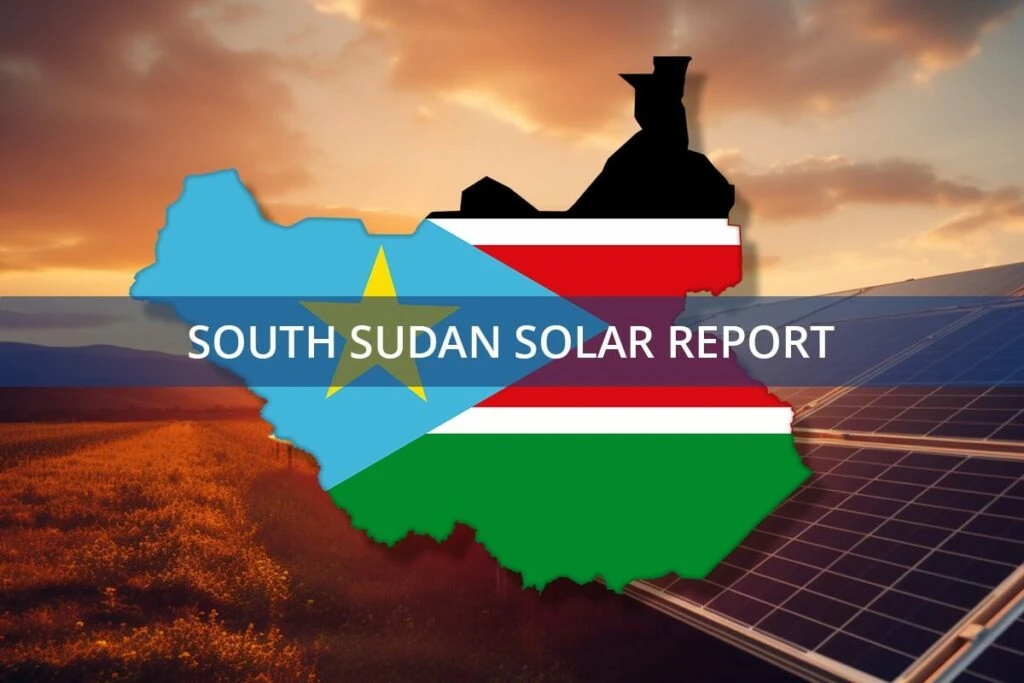
Launching the South Sudan solar project in Jonglei State
In a significant move to address energy poverty and foster sustainable development, the United States Agency for International Development (USAID) has announced the launch of a $15 million solar mini-grid project in South Sudan’s Jonglei State. This initiative aims to deliver reliable and clean energy to thousands in one of the country’s most underserved and conflict-affected regions, marking a critical step in post-conflict recovery and economic empowerment.
The Pressing Need for Power in Jonglei
Access to electricity is a fundamental catalyst for progress, yet for the vast majority in rural Jonglei, it remains a distant dream. Current energy access in the area is below 10%, a figure starkly illustrating the challenges faced by its communities. The national grid in South Sudan covers a mere 12% of the population, leaving most citizens to rely on expensive, inefficient, and polluting diesel generators or to go without power entirely.
This energy deficit hampers economic activity, limits access to quality healthcare and education, and exacerbates the vulnerabilities of a region already grappling with the impacts of conflict and climate change, including frequent flooding and droughts.
Powering a Brighter Future: Project Scope and Goals
The $15 million project is designed to directly tackle these challenges by deploying state-of-the-art solar mini-grids. This investment will build the infrastructure necessary to power approximately 10,000 households and small businesses. To ensure a consistent and reliable supply, the project will include battery storage systems, providing 24/7 electricity to communities.
The key objectives of the initiative are multi-faceted:
- Boost Economic Opportunities: By providing power to local markets, workshops, and small enterprises, the project will create a more vibrant economic landscape, enabling businesses to extend operating hours and improve productivity.
- Enhance Essential Services: Electrifying health clinics and schools is a top priority, improving healthcare outcomes and creating better learning environments for children.
- Promote Climate Resilience: Shifting from a reliance on fossil fuels to clean solar energy will significantly reduce carbon emissions. As highlighted in a 2024 study by the International Renewable Energy Agency (IRENA), solar mini-grids can reduce costs by 40% compared to diesel and cut CO₂ emissions by 90%.
- Strengthen Community Stability: Reliable energy access is a cornerstone of modern life and a critical component of post-conflict recovery, helping to build more resilient and self-sufficient communities.
Implementation will be led by local partners, including the South Sudan Renewable Energy Association, alongside international firms with expertise in off-grid solar solutions. The project is set to break ground in early 2026, with initial sites planned for Bor and Pibor towns. Full operations are expected to be online by late 2027.
A Strategic Investment in a Proven Model
This project is not an isolated effort but part of a broader, evidence-based strategy. It aligns with findings from a 2025 World Bank Energy Report, which noted that South Sudan needs to develop 500 MW of mini-grid capacity by 2030 to meet its development goals. The report also confirmed that Jonglei State possesses high solar potential, with an average of 5-6 kWh/m²/day, making it an ideal location for such an investment.
Furthermore, this initiative builds on USAID’s extensive experience through its Power Africa program, which has successfully delivered power to over 20 million people across the continent since 2013. The Jonglei project is a key component of USAID’s over $100 million investment in South Sudan’s energy sector since 2020, underscoring a long-term commitment to the nation’s stability and prosperity.
By leveraging a proven model and targeting a region with immense potential, USAID’s $15 million investment is poised to generate a transformative impact, lighting up homes, powering businesses, and fostering hope for a more sustainable future in Jonglei State.
For ongoing updates, interested parties can refer to USAID’s South Sudan page and local news outlets such as Radio Tamazuj.