Singapore and Indonesia Leading the Southeast Asia carbon transition
As the climate crisis intensifies, Southeast Asia is emerging as a critical region for the global energy transition. At the forefront of this monumental shift are two of its most influential nations: Singapore and Indonesia. While their approaches are tailored to their unique economic and geographical realities, both countries are demonstrating significant leadership and commitment to building a low-carbon future, setting a powerful example for the rest of the region.
Singapore: A Strategy of Resilience and Innovation
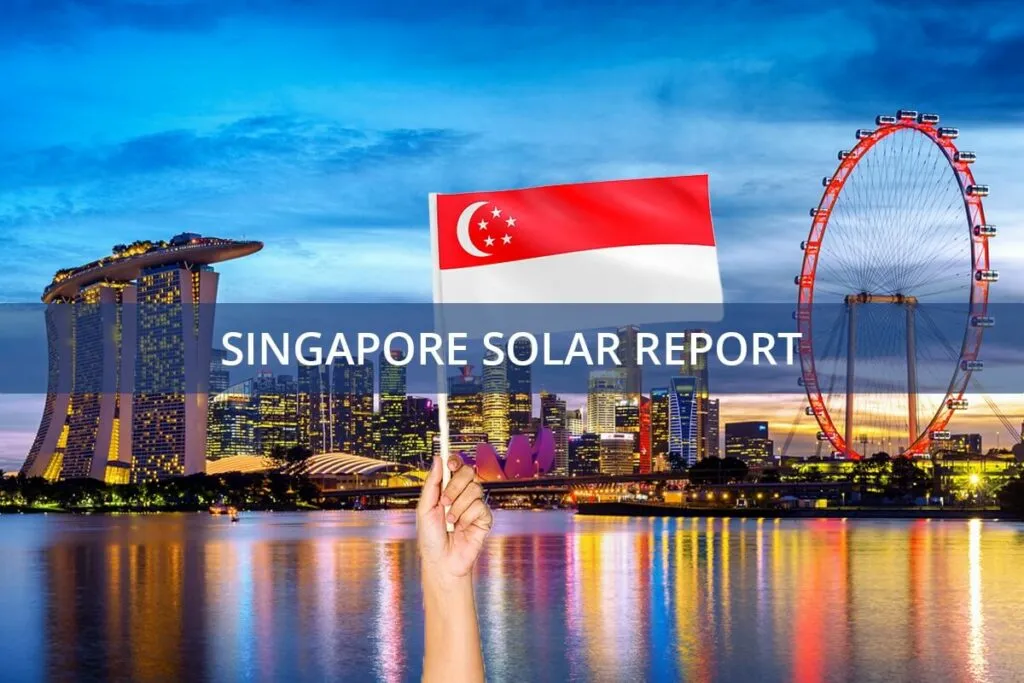
As a low-lying, densely populated island nation, Singapore faces acute climate risks, from rising sea levels to extreme heat. In response, the city-state has developed a multi-pronged strategy that emphasizes renewable energy, technological innovation, and robust adaptation measures.
A cornerstone of this strategy is the aggressive expansion of solar energy. Singapore is not only expanding its solar capacity but also exploring new low-carbon energy sources to build long-term resilience. The nation is actively investigating the potential of hydrogen imports, biomethane, and carbon capture technologies to diversify its energy mix.
Beyond energy generation, Singapore is leveraging its position as a global financial hub to advance carbon markets. The country has already operationalized its fifth bilateral carbon credit framework, designed to facilitate a just and effective energy transition. This is complemented by a comprehensive National Adaptation Plan, which focuses on mitigating the impacts of rising temperatures and increased flooding, ensuring that the nation is prepared for the unavoidable consequences of climate change.
Ready to make big Profits?
The solar Industry is Booming
WE HELP NEWCOMERS to the solar industry start their own solar module production line. Customers can make BIG PROFITS by selling modules and finding investors, without wasting money and time on things they don't need!
Indonesia: Leveraging Resources for a Green Transformation
As the largest economy in ASEAN, Indonesia is navigating a complex transition that balances economic development with ambitious decarbonization goals. The nation is pursuing a “Dual Growth Strategy,” which involves decarbonizing its legacy oil and gas business while simultaneously scaling up green initiatives.
A key focus for Indonesia is the development of biofuels, including sustainable aviation fuel (SAF) derived from used cooking oil, and the expansion of its geothermal energy capacity. This approach allows the country to leverage its rich natural resources to fuel its green transition.
Indonesia is also making significant strides in monetizing its renewable energy assets through carbon markets. In a landmark move, state-owned utility PLN Indonesia Power has partnered with DevvStream to manage the creation and sale of carbon credits from its extensive solar portfolio. This partnership is a crucial step towards financing the country’s clean energy goals and accelerating its renewable energy transition. Furthermore, the nation is actively fostering a climate innovation ecosystem, encouraging the development of technologies to make its energy systems cleaner and smarter.
Paving the Way for a Greener Southeast Asia
The distinct yet complementary strategies of Singapore and Indonesia highlight the diverse pathways available for decarbonization in the Asia-Pacific region, which accounts for nearly half of the world’s energy demand. Singapore’s focus on high-tech solutions, international carbon markets, and climate adaptation provides a model for other urbanized nations. Meanwhile, Indonesia’s strategy of decarbonizing existing industries while developing a circular, resource-based green economy offers a blueprint for resource-rich countries.
Together, their actions are creating a powerful ripple effect, demonstrating that economic growth and climate action can go hand in hand. As Singapore and Indonesia continue to advance their carbon transitions, they are not only securing their own sustainable futures but also leading Southeast Asia towards a cleaner, more resilient, and prosperous tomorrow.