Spain’s Solar Sector: Regulatory Hurdles and the Impact of Spain solar regulations
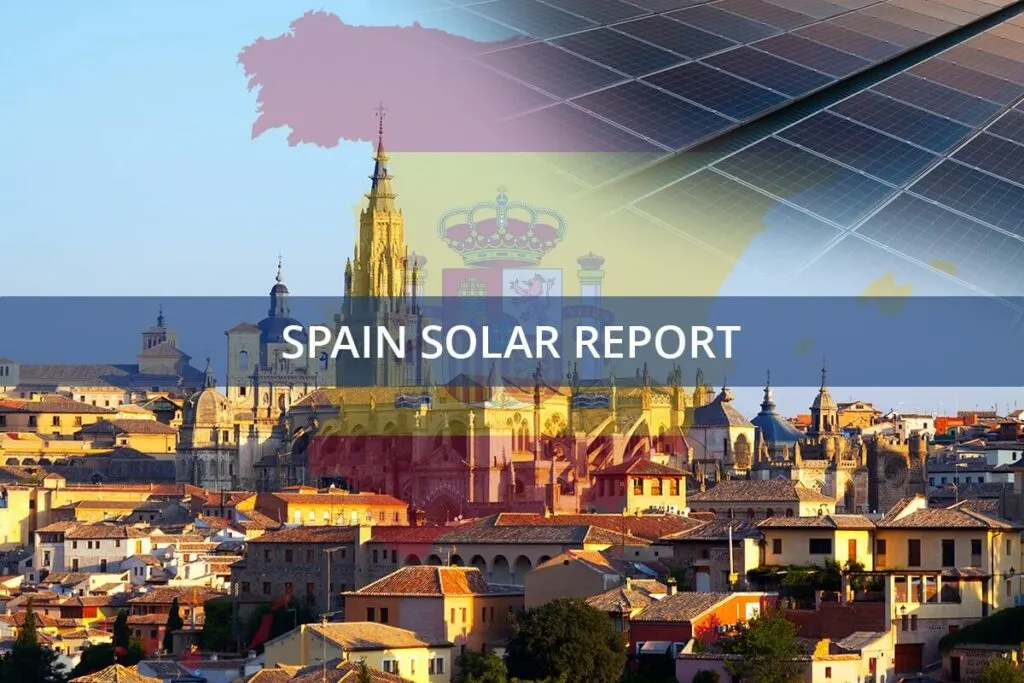
Spain solidified its position as a European solar powerhouse in 2025, adding a remarkable 7.8 GW of new solar photovoltaic (PV) capacity. This surge, accounting for 88% of the country’s 8.85 GW of new renewable installations last year, underscores the immense potential and profitability of Spanish solar, where high capacity factors can make projects up to twice as profitable as in other European markets. However, this impressive growth is now shadowed by significant regulatory bottlenecks and technical constraints that threaten to slow momentum heading into 2026.
While the industry celebrates record installations, a growing sense of urgency is palpable. The very success of solar deployment is straining the grid and revealing cracks in the regulatory framework, creating a critical test for Spain’s long-term energy transition goals.
The Regulatory Bottleneck
The primary obstacles hindering the next phase of Spain’s solar expansion are not technological but administrative and political. The industry is grappling with a climate of uncertainty that stifles investment in crucial supporting infrastructure, particularly energy storage.
Key regulatory hurdles include:
- Delayed and Repealed Legislation: A significant setback came when Royal Decree-law 7/2025, a package designed to streamline renewable integration and incentivize storage, was repealed after failing to secure parliamentary approval. As of late 2025, the legislation remains in public consultation, leaving the sector without clear incentives, streamlined permitting processes, or the long-term certainty needed for business models to flourish.
- Stalled Capacity Markets: Spain has completed the national groundwork for a capacity market, a vital mechanism to reward grid flexibility and make energy storage projects financially viable. However, the plan is awaiting approval from the European Union, a delay that could push the first auctions to 2027, leaving developers in limbo.
- The Challenge of Negative Pricing: The flood of solar energy onto the grid during peak sunshine hours is increasingly leading to periods of negative wholesale electricity prices. This phenomenon erodes the profitability of solar assets and signals a desperate need for systems that can store excess energy. Industry leaders are calling for reforms to the remuneration scheme (RECORE) and for new auctions to prioritize projects that incorporate storage and flexibility.
- Permitting and Grid Saturation: As more projects come online, grid saturation and slow, complex permitting processes are becoming major chokepoints. The Spanish Photovoltaic Union (UNEF), has actively addressed this by submitting a ten-point proposal to align development with the National Energy and Climate Plan (PNIEC), which targets 19 GW of self-consumption capacity by 2030.
Technical Pressures Mount on the Grid
The rapid expansion of intermittent solar power is also placing immense technical strain on the national grid. An April 2025 blackout served as a stark wake-up call, exposing vulnerabilities in grid stability and highlighting the non-negotiable role of energy storage.
In response, regulators have introduced new “Anti-Blackout” rules, amending grid procedures to better manage voltage fluctuations and maintain stability. As UNEF President Rafael Benjumea has stressed, urgent action on storage is essential to ensure the continued, stable integration of renewables.
Spain stands at a critical juncture. The phenomenal capacity growth of 2025 is a testament to the sector’s potential. Yet, to build on this success, the country must urgently resolve the regulatory logjam. Creating a clear, stable framework for energy storage and grid flexibility is no longer an option—it is the essential next step to secure the future of Spain’s solar revolution.