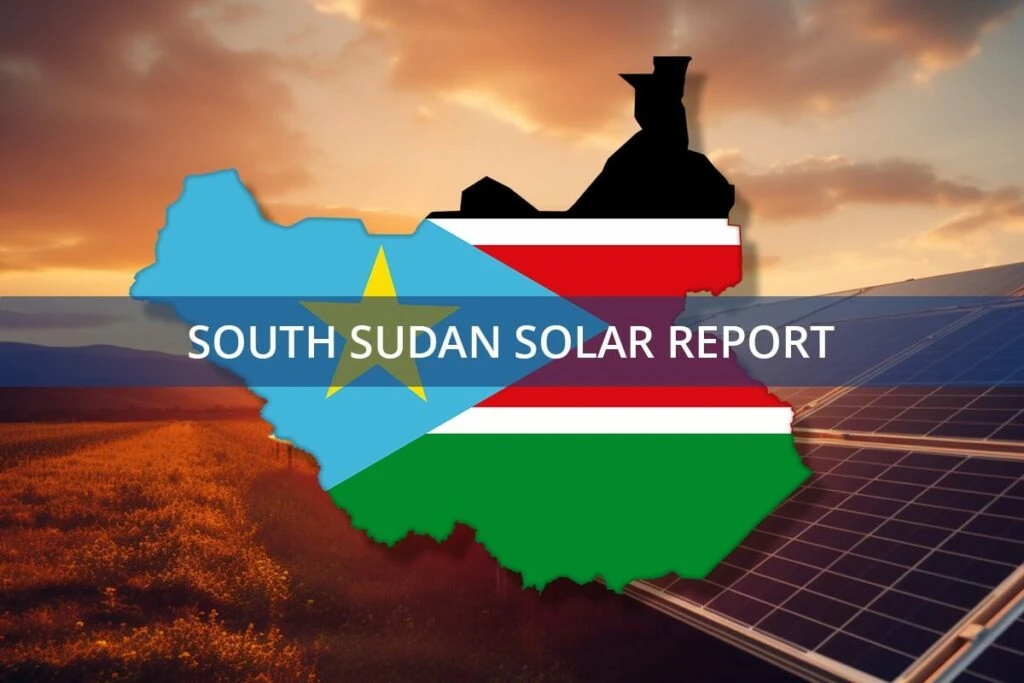
The United Nations Development Programme (UNDP) and the Government of Japan have announced a $1 million initiative to install solar-powered infrastructure in Sudan’s Blue Nile and White Nile states. This project aims to improve access to clean water and reliable energy for over 8,600 people by installing solar-powered water stations and streetlights.
Addressing Urgent Needs with Renewable Energy
Responding to the ongoing conflict in Sudan and its impact on essential services, the UNDP and the Government of Japan have partnered to address the urgent need for clean water and electricity. The project will focus on areas hit hardest by the conflict, where access to these basic services has been severely disrupted.
Solar water stations will be installed in both the Blue Nile and White Nile states, bringing clean water to more than 8,600 people. These stations will replace damaged infrastructure, ensuring residents have a steady supply of fresh water. The initiative also includes the installation of 100 solar streetlights to improve safety and security in these communities.
Harnessing solar power aligns with Sudan’s abundant natural resources, making Sudan solar energy a sustainable solution to the energy crisis. This approach provides a reliable and clean source of power, reducing dependence on traditional energy sources that have been disrupted by the conflict.
Building Resilience for Displaced Communities
The conflict in Sudan has forced millions to flee their homes, resulting in a large population of internally displaced persons (IDPs). The UNDP-Japan initiative will support these displaced communities by installing two solar-powered water stations in the White Nile state.
These stations will provide clean water to over 5,100 people, alleviating some of the hardships faced by those uprooted by the conflict. The project is also set to create temporary employment opportunities for 100 people, stimulating the local economy and providing much-needed income.
This initiative is part of a broader effort to build resilience in Sudan’s conflict-affected regions. By investing in renewable energy infrastructure, the project helps create sustainable solutions that can better withstand future challenges.
The installation of solar-powered water stations and streetlights will not only provide immediate relief but also contribute to the long-term development of these communities. The project is expected to be completed by March 2025, with a total budget of $1.02 million.
Advancing Peace and Stability
This initiative is part of a larger $3 million project funded by Japan, which aims to support peace, stability, and recovery in Sudan. In addition to the solar infrastructure, the project includes a $2 million component focused on peacebuilding. Implemented by UNDP, this component will support the Sudan Council of Churches and the AU-IGAD-UN Trilateral Mechanism.
The peacebuilding efforts will focus on documenting violations of international law, supporting an inclusive political process, and fostering dialogue among various groups. By addressing both the immediate needs of communities and the underlying causes of conflict, the project seeks to create a more stable and peaceful environment in Sudan.
The Government of Japan and UNDP have a long history of collaboration in Sudan, with a shared commitment to promoting sustainable development and peace. Over the years, Japan has contributed more than $64 million to UNDP’s work in Sudan, supporting a wide range of initiatives aimed at improving the lives of the Sudanese people.
This $1 million solar infrastructure project marks a significant step toward addressing the urgent needs of communities affected by conflict. By installing solar-powered water stations and streetlights, the project will provide essential services to thousands of people while promoting renewable energy and sustainability.
By combining immediate relief with long-term development goals, the UNDP-Japan initiative offers a model for how international partnerships can effectively address complex challenges in conflict-affected regions. For more insights into global solar initiatives, you can explore the Global Solar Report – PVknowhow.com.