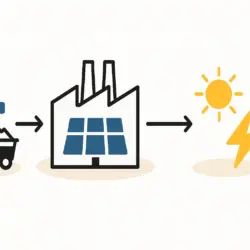
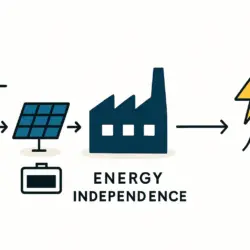
In a strategic move to bolster its energy resilience and mitigate the impact of an unstable national grid, state-owned TelOne Zimbabwe has initiated a competitive bidding process for the development of hybrid solar power plants. This initiative represents a critical step towards ensuring operational continuity for the telecommunications giant and aligns with the nation’s broader push for renewable energy adoption.
1. Defining the Strategic Need for Energy Independence
TelOne’s tender, identified as CBTD 34-25, stems from a fundamental need to secure a consistent power supply for its essential infrastructure. By seeking to install hybrid solar systems complete with battery storage, the company aims to reduce its dependence on the often-unreliable national grid. These systems are designed to provide a stable power source, storing solar energy for use during grid outages or periods of low sunlight, thereby safeguarding critical telecommunications services.
2. Identifying Key Project Locations and Scope
The tender specifically targets four key sites for the installation of these advanced solar solutions. According to bidding documents, the project involves the design, supply, installation, and commissioning of hybrid solar facilities at TelOne’s locations in Chitungwiza, Hatfield, Glenview, and the TelOne Centre for Communication (TCC). This targeted deployment underscores the company’s focus on fortifying its most crucial operational hubs against power disruptions.
3. Outlining the Bidding and Procurement Process
The competitive domestic bidding process invites qualified firms to submit proposals for these turnkey projects. Prospective bidders are expected to demonstrate significant experience and technical expertise in deploying similar solar-plus-storage systems. The tender documentation, available through official channels like TelOne’s website and the government’s e-GP System, details the specific technical requirements and submission guidelines necessary for consideration in this significant renewable energy undertaking.
4. Leveraging Hybrid Technology for Grid Stability
The choice of hybrid solar technology is particularly strategic for Zimbabwe’s energy landscape. These systems, which integrate solar panels with battery energy storage systems (BESS) and can operate in conjunction with the grid or backup generators, offer a robust solution to the frequent power cuts that plague the country. By generating and storing its own electricity, TelOne not only ensures its own energy security but also helps alleviate the immense strain on the national power infrastructure, freeing up capacity for other users.
5. Aligning with National Renewable Energy Goals
TelOne’s solar initiative is a prominent example of corporate action supporting Zimbabwe’s national energy policy. The government has actively encouraged investment in clean energy through incentives like tax breaks and duty exemptions on solar components. Projects like this are vital to achieving the country’s goal of increasing the share of renewables in its energy mix, reducing reliance on fossil fuels, and paving the way for a more sustainable and low-carbon economic future. As more entities follow TelOne’s lead, the collective impact could significantly accelerate Zimbabwe’s green energy transition. For ongoing coverage, readers can follow further developments in Zimbabwe’s solar sector.
TelOne solar bidding: 5 Essential Steps for Hybrid Solar Projects
- View APP Details – eGP System
- TelOne Zimbabwe Invites Bids For Hybrid Solar Power Plants
- Zimbabwe’s TelOne Seeks Bids for Solar Expansion
- Zimbabwean telecom company opens solar-storage tender
- invitation to competitive bidding tender domestic cbtd 68 – …
- Page 1 of 16 COMPETITIVE BIDDING TENDER CBTD79- …
- Tenders – TelOne | The Future Is Better Together