Togo’s Energy Future: Growth in Togo hybrid solar Systems
Togo is taking a significant leap forward in its transition to clean energy, positioning itself as a leader in West Africa’s renewable landscape. The key to this progress lies in the strategic adoption of hybrid solar systems, which combine solar power generation with battery storage to ensure a reliable and continuous supply of electricity.
A Landmark Togo hybrid solar Project
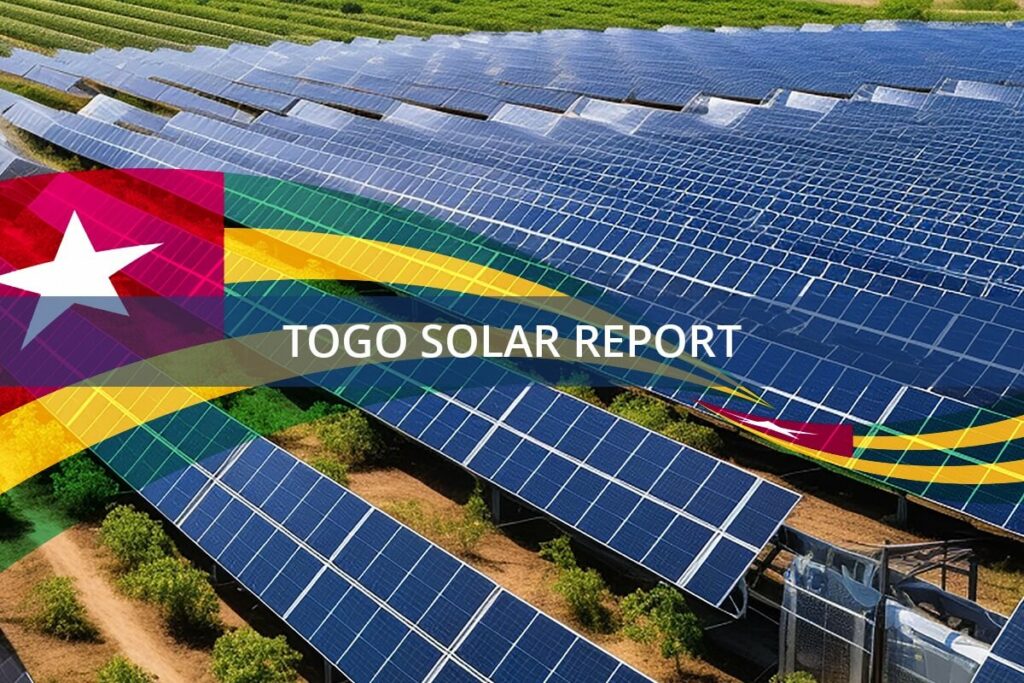
At the heart of this growth is the expansion of a major solar power facility. The project, developed by UAE-based AMEA Power, involves adding 20 MW of solar capacity and a 4.8 MWh battery energy storage system to an existing 50 MW solar installation. This expansion, awarded to Jakson Green, is set to create the largest solar-plus-storage facility in West Africa.
Once complete, the plant will boast a total capacity of 70 MW of clean solar energy, backed by a 4.86 MWh storage system. This hybrid model is a game-changer for the region. While the solar panels generate ample electricity during the day, the battery system stores excess power, dispatching it after sunset and during periods of low sunlight. This capability is crucial for enhancing grid stability and provides a consistent power source for over 222,000 households, day and night.
Favorable Conditions for Togo hybrid solar Investment
Togo’s success is not happening in a vacuum. It is supported by a confluence of favorable global trends and strong international partnerships. The global market for renewable Power Purchase Agreements (PPAs) is expanding rapidly, with solar PPAs alone projected to grow by $11 billion between 2025 and 2030. This global appetite for cost-competitive clean energy creates a fertile ground for ambitious projects like the one in Togo.
Furthermore, the nation’s development goals are bolstered by significant international support. The World Bank currently has a portfolio of $1.49 billion covering 18 active projects in Togo. This substantial financial backing and the effective management of these programs create a stable and attractive environment for large-scale infrastructure investments, including those in the renewable energy sector.
Building a Sustainable Future with Togo hybrid solar
Beyond infrastructure, Togo’s commitment to a sustainable future is evident in its investment in human capital. Broader initiatives across West Africa are focused on building a skilled workforce to support the growing green economy. For instance, Planet One is investing $327 million in Technical and Vocational Education and Training (TVET) projects across Togo, Guinea, and Senegal. These programs aim to train approximately 20,000 young people annually in critical sectors, ensuring that the local talent pool can support the construction, operation, and maintenance of advanced renewable energy facilities.
By integrating cutting-edge technology with international financial support and a focus on local skill development, Togo is not just building power plants; it is building a resilient and sustainable energy future for its citizens and setting a powerful example for the entire region.