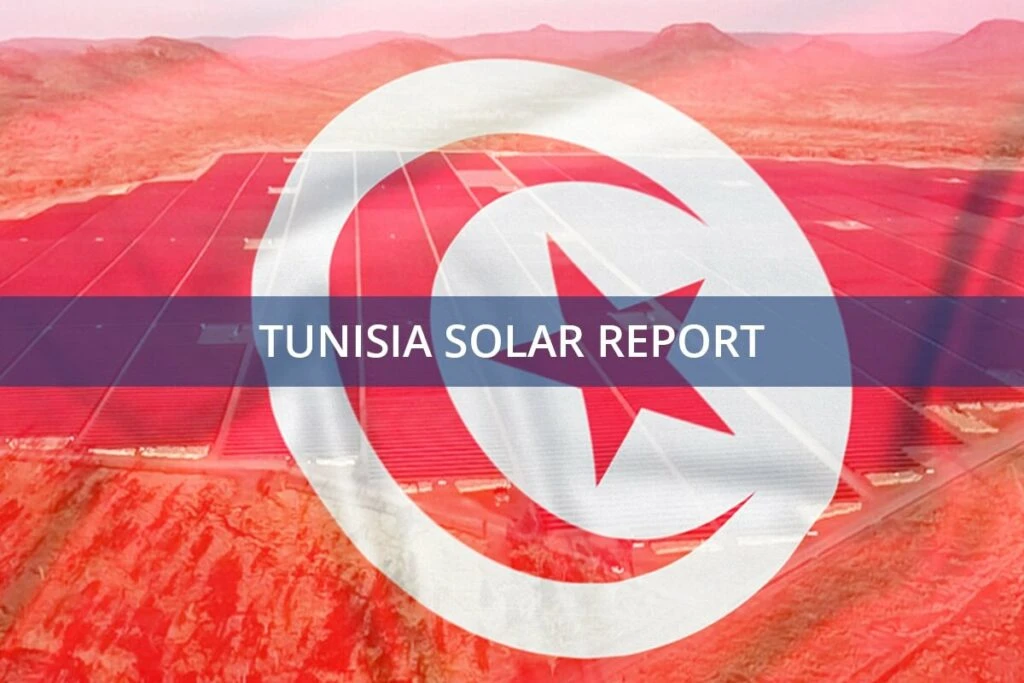
The European Union has announced a €60 million funding package to support Tunisia’s transition to renewable energy. This initiative is part of a broader effort to enhance energy security and promote sustainable development in the region, with direct implications for the stability of Europe’s energy supply.
Exploring Tunisia Renewable Energy Transition
The European Union has committed a new €60 million funding package to accelerate Tunisia’s shift towards renewable energy. This financial support is designed to help Tunisia develop its green energy sector, reduce its dependence on fossil fuels, and solidify its role as a key energy partner. This initiative is a core component of the EU’s wider Global Gateway strategy, which aims to build sustainable and high-quality connections with partner countries.
Tunisia is blessed with significant potential for renewable energy, particularly solar and wind power. The country enjoys an average of 3,000 hours of sunshine per year, making it an ideal location for large-scale solar energy projects. For those interested in the technical side, understanding the [basics of solar panel manufacturing] is key to appreciating the scale of this opportunity. Furthermore, Tunisia’s extensive coastal regions experience strong, consistent winds, perfect for wind power development.
The EU’s funding will support a range of projects, including the construction of new solar and wind farms, the development of modern energy storage solutions, and programs to improve energy efficiency in buildings and industries. Progress is already visible with projects like the 100-megawatt Kairouan solar power plant coming online. A flagship initiative within this partnership is the ELMED project, an undersea electricity interconnection between Tunisia and Italy, which will integrate renewable energy sources and enhance grid stability for both continents. This direct link to the European grid is crucial for ensuring a more secure and diversified energy supply for member states, including Germany.
Tunisia’s government has set an ambitious target to increase the share of renewables in its energy mix to 30% by 2030. The EU’s package will provide not just financial assistance but also crucial technical expertise and capacity-building support to help the nation achieve this goal.
Economic and Environmental Benefits
The transition to renewable energy is poised to deliver substantial economic and environmental advantages for Tunisia and its European partners. As EU Commission President Ursula von der Leyen noted, developing solar and wind energy will reduce local energy costs, accelerate the ecological transition, and create tens of thousands of new jobs.
By reducing its reliance on fossil fuel imports, Tunisia can significantly bolster its energy security and diversify its energy sources. This, in turn, contributes to a more stable energy market for the EU. The development of renewable projects will create skilled jobs in construction, operation, and maintenance. Understanding the full [solar panel manufacturing process] reveals the complexity and job-creation potential of this sector. These projects require sophisticated [solar panel manufacturing machines] and a steady supply of [solar panel raw materials], stimulating local industry and attracting foreign investment.
Lowering energy costs will make the Tunisian economy more competitive globally, fostering sustainable growth. For German homeowners and businesses, a more integrated and green-powered European energy grid means greater price stability and less volatility from geopolitical shocks.
The environmental benefits are equally profound. Shifting away from fossil fuels will drastically cut greenhouse gas emissions and improve air quality, a critical issue in densely populated urban areas. This transition directly supports Tunisia’s commitments under the Paris Agreement on climate change. By increasing its renewable energy capacity, the country reduces its carbon footprint and contributes to the global fight against climate change.
The EU’s financial support is vital for overcoming the primary hurdles of this transition, such as the high initial investment required for new infrastructure. A detailed [solar panel manufacturing plant cost breakdown] shows why such international partnerships are essential. This collaboration ensures Tunisia can build a sustainable energy future that benefits its citizens and reinforces Europe’s long-term energy security.
The EU is fully committed to this partnership, which is part of a larger €15.5 billion mobilization for clean energy across Africa. This strategic cooperation is about building a shared future of prosperity, stability, and environmental responsibility.
To learn more about the technologies driving this green revolution, consider enrolling in our [free e-course] on solar panel manufacturing.