Gavi-Backed Solar Initiative Enhances Maternal Care in Uganda
In many rural health centers across Uganda, a persistent challenge has long cast a shadow over essential medical services: unreliable electricity. For years, midwives have performed deliveries by the dim light of mobile phones or candles, and critical vaccines have been at risk due to failing refrigeration. Today, a transformative initiative is bringing a steady, reliable light to these facilities, revolutionizing maternal care and immunization services for thousands.
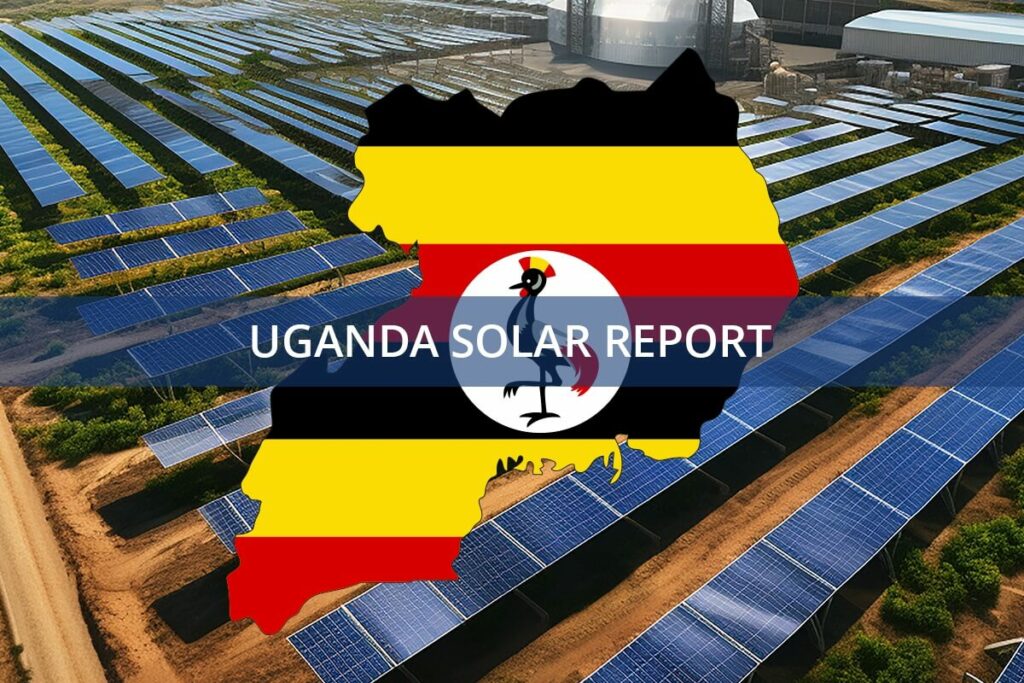
A Gavi-backed solar power project, led by Uganda’s Ministry of Health with support from partners like UNICEF and WHO, is tackling this challenge head-on. The ambitious effort is equipping 250 rural health facilities with comprehensive solar energy systems, ensuring that from the delivery room to the vaccine cold chain, power is no longer a barrier to quality healthcare.
A New Dawn with Uganda maternal solar power
The impact of this initiative is profoundly felt at facilities like Nakifuma Health Centre III. On the evening of February 26, the facility experienced a pivotal moment: a mother safely delivered her baby under the consistent glow of electric light. This event, once a rarity fraught with risk, is becoming the new standard.
Before the solar installation, the health center struggled. Now, the changes are quantifiable and life-altering. The facility has seen its monthly maternal service visits more than double, from an average of 24 to 62. With reliable, 24/7 power, midwives can provide around-the-clock care in well-lit maternity wards, confidently use essential equipment like microscopes, and ensure the vaccine refrigerator is always running.
The benefits extend beyond patient care. Healthcare workers report a significant improvement in their working conditions, which is crucial for staff retention in remote areas. The solar power even runs staff housing and allows for small comforts like a television, boosting morale.
Powering More Than Just Lights with Uganda maternal solar power
This project’s vision extends far beyond simply keeping the lights on. Unlike previous efforts that may have only powered a single vaccine fridge, these new solar systems are designed to support the entire facility. This includes maternity wards, laboratories, outpatient departments, and staff quarters.
At health centers such as Acet Health Centre III, this comprehensive approach means that life-saving equipment like oxygen concentrators, baby warmers, and sterilization tools can operate without interruption. Daily immunization services can proceed without the fear of vaccine spoilage, a common problem when relying on an unstable grid or expensive fuel for generators.
The stability provided by solar power has also created a network of support. Nakifuma Health Centre III now acts as a vaccine storage hub for neighboring facilities that still face power issues, ensuring that more communities have access to life-saving immunizations.
A Sustainable Future for Rural Healthcare with Uganda maternal solar power
By addressing the foundational issue of energy access, this Gavi-backed initiative is creating a powerful ripple effect. It enhances the safety and dignity of childbirth, strengthens the vaccine cold chain, and improves the working environment for dedicated healthcare professionals.
Furthermore, with a stable power supply now secured, facilities are beginning to look toward the future. Plans to digitize patient records for greater efficiency are now a realistic possibility. This single intervention—harnessing the power of the sun—is not just illuminating rooms; it is paving the way for a stronger, more resilient, and more equitable health system for Uganda’s rural communities.
For more information on how clean energy is transforming health services, you can read more at Gavi’s VaccinesWork publication.