Uganda Solar Project Powers 250 Rural Health Facilities
In the quiet, rural corners of Uganda, a revolution is taking place, powered by the sun. For years, healthcare workers in these communities have faced a daily struggle against an unreliable power grid. Delivering a baby by the dim light of a mobile phone, or worrying that a power outage has spoiled a life-saving batch of vaccines, was a grim reality. Today, that reality is changing for the better, thanks to a transformative project bringing stable, clean energy to the front lines of public health.
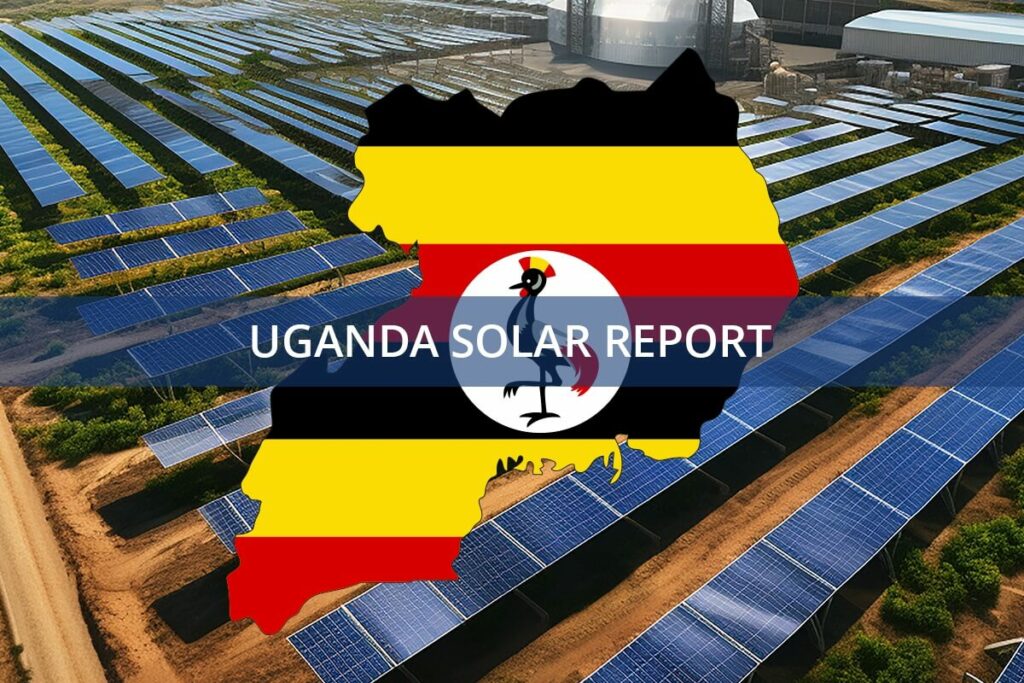
The Health Facility Solar Electrification (HFSE) initiative has successfully installed solar power systems in 250 rural health facilities across the country, marking a significant leap forward for healthcare access and quality in underserved areas.
A New Dawn for Maternal and Child Health in Uganda solar health facilities
The impact of this Gavi-backed initiative is most profoundly felt in the maternity wards and immunization clinics. Facilities that were once plagued by frequent and prolonged blackouts can now offer services around the clock.
Take Nakifuma Health Centre III in the Mukono District, for example. Before receiving its 12-kilowatt solar system, the facility struggled. Now, with reliable lighting, the number of mothers choosing to give birth at the center has more than doubled, increasing from 24 to 62 per month. This single improvement drastically reduces the risks associated with childbirth, ensuring safer deliveries for both mother and child. Similarly, the Acet health facility now powers its maternity ward, laboratory, and staff housing, creating a more effective and secure environment for patients and healthcare providers alike.
Securing the Vaccine Cold Chain in Uganda solar health facilities
Beyond the delivery room, consistent electricity is the lifeline for immunization programs. Vaccines must be stored within a strict temperature range of 2–8°C to remain effective. Power outages pose a constant threat, risking the spoilage of entire stocks and undermining vaccination efforts.
The HFSE project addresses this challenge head-on by equipping each of the 250 facilities with specialized, WHO-prequalified solar-powered refrigerators. This ensures that vaccines for diseases like measles, polio, and tetanus are kept safe and potent. The stability at Nakifuma Health Centre III is so reliable that it has become a vaccine storage hub for smaller, nearby centers, extending the project’s impact even further.
Building a Sustainable Future for Uganda solar health facilities
The initiative is more than just an equipment handout. It represents a strategic investment in building a resilient health infrastructure. Health workers at participating facilities have been trained in basic system maintenance, empowering them to manage and sustain their new power source.
With the lights now on, facilities are looking toward the future. At Nakifuma, there are already plans to leverage the stable power supply to digitize patient records, a move that will streamline operations and improve patient care management.
This project is a powerful testament to how targeted clean energy solutions can solve critical development challenges. While part of a broader push for solar microgrids and renewable energy across Uganda, the focus on health centers delivers an immediate and life-saving return on investment. By providing a reliable source of power, the HFSE initiative is not just illuminating rooms—it is lighting up a brighter, healthier future for hundreds of thousands of Ugandans.