Ukraine Electricity Exports to Moldova Resume Amidst Power Grid Issues
In a significant yet cautious development, Ukraine has resumed exporting electricity to neighboring Moldova for the first time since November 2025. The resumption, which began on March 5, 2026, marks a tentative step toward energy stabilization in the region, though experts emphasize the move is more symbolic than a sign that the energy crisis has been overcome.
A Small Flow of Ukraine Electricity Exports to Moldova in a Strained System
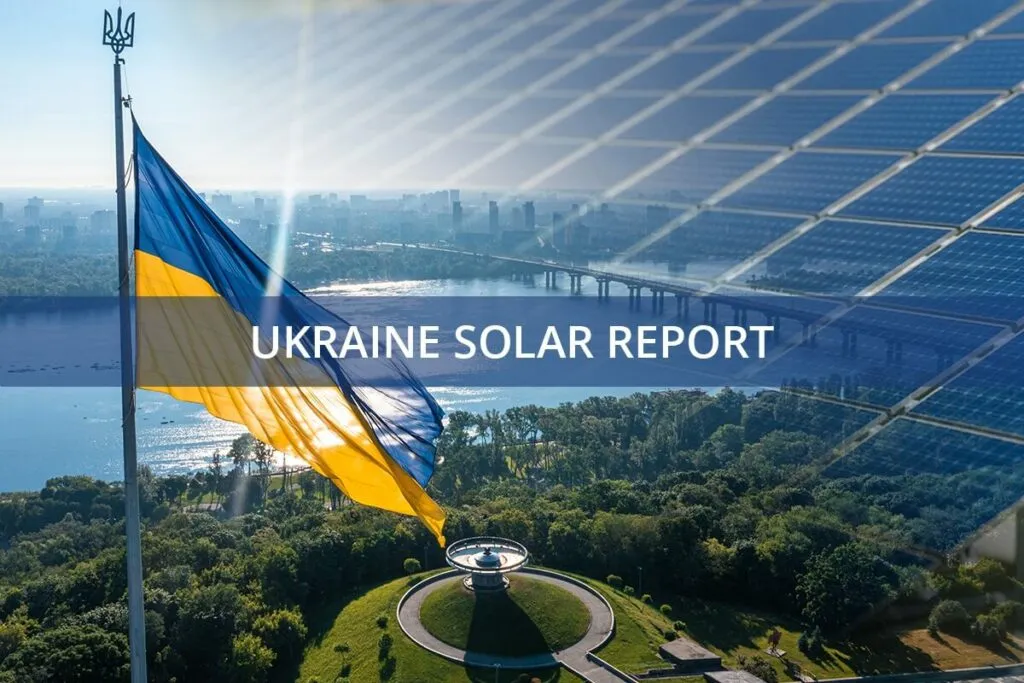
According to reports, the initial export volumes are minimal. On the first day, a mere 12 MWh were transferred to Moldova during off-peak nighttime hours. While auctions have offered more capacity, the actual flow reflects the fragile state of Ukraine’s power grid. Ukrenergo, Ukraine’s national energy operator, confirmed the resumption was made possible by a temporary surplus generated by high output from nuclear power plants and increased solar generation due to warmer spring weather.
However, energy analysts are quick to temper expectations. They describe the exports as “episodic in nature,” highlighting that Ukraine’s energy system remains under immense strain. While daylight hours may see a surplus, evening periods consistently face deficits, forcing the country to rely heavily on imports to prevent widespread blackouts. On the same day it began exporting, Ukraine imported a substantial 27,000 MWh, underscoring the vast difference between its energy needs and its export capacity.
A Shared Struggle for Energy Security with Ukraine Electricity Exports to Moldova
The context for this development is the severe damage inflicted upon Ukraine’s energy infrastructure. Since late 2025, relentless attacks have crippled a significant portion of the country’s generation capacity. This has not only impacted Ukraine but has had ripple effects across the region.
Moldova, in particular, has been grappling with its own severe energy crisis. The nation has faced soaring gas and electricity prices, exacerbated by Ukraine’s decision to halt the transit of Russian gas through its territory last year. This move directly impacted the output of key power plants, leaving Moldova vulnerable. These small-scale electricity imports from Ukraine, therefore, provide a welcome, albeit minor, reprieve.
Building Resilience Through Cooperation and Renewables for Ukraine Electricity Exports Moldova
This resumption of energy flow is part of a broader picture of regional cooperation and a determined push toward energy independence. Both nations are actively seeking long-term solutions. Moldova is making strides in renewable energy, recently launching an impressive 50 MW solar park. Such projects are critical for reducing its reliance on external sources and could, in the future, position Moldova to export clean energy back to its neighbors, including Ukraine and Romania.
This bilateral energy exchange is complemented by wider initiatives supported by the European Union. Ukraine, Romania, and Moldova are collaborating on plans to improve transport along the Danube River, a vital corridor for trade and logistics. Furthermore, the political will to integrate with Europe remains strong, with nations like Romania and Poland continuing to champion Ukraine and Moldova’s accession to the EU.
While the flicker of electricity exports from Ukraine to Moldova is a positive sign of resilience and solidarity, it also serves as a stark reminder of the long road ahead. The path to a stable and secure energy future for both nations is dependent on rebuilding damaged infrastructure, investing in renewable energy, and strengthening regional partnerships.