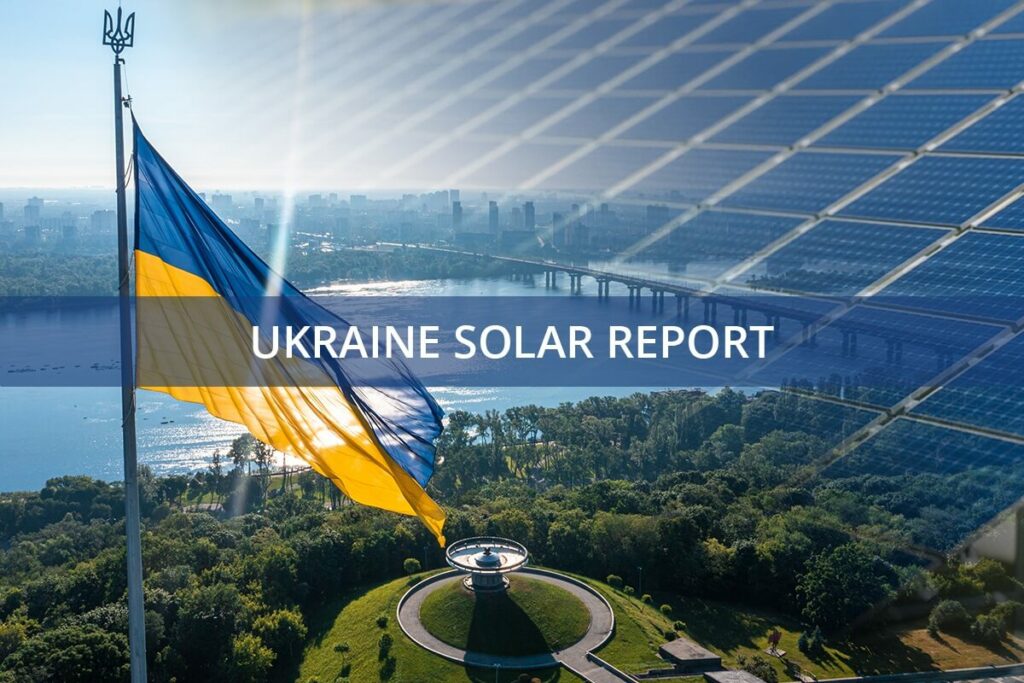
Ukraine Boosts Energy Resilience with Solar
In the face of relentless attacks on its energy infrastructure, Ukraine is forging a new path toward energy independence and security. The strategy is clear: shift from vulnerable, centralized power systems to a more resilient, decentralized network powered by renewables. At the heart of this transformation is a significant push into solar and wind energy, a move that is not just about rebuilding, but about building back stronger and greener.
A Decentralized Defense: The Power of Ukraine solar energy
Traditional, large-scale power plants have become prime targets, leading to severe electricity shortages and instability. In response, Ukraine is accelerating its transition to renewable energy sources. This approach is a core element of the country’s energy strategy, as it disperses power generation across numerous smaller sites, making the grid inherently more difficult to disable.
Ukraine’s largest private energy company, DTEK, is at the forefront of this effort. Despite the ongoing conflict, the company has continued to invest heavily in green energy. A prime example is the Tiga wind power station in southern Ukraine. Even amid significant challenges, the first stage of the project was commissioned, adding 114 megawatts of clean energy to the grid. The full 500-megawatt project, set for completion this year, will be a cornerstone of green energy for the region. As explained in an interview with DTEK’s Oleksiy Povolotskiy, this expansion of renewables and battery storage is a critical “second frontline” in the nation’s defense.
Cross-Border Cooperation: Solar Projects and Regional Integration with Ukraine solar energy
Ukraine’s resilience strategy extends beyond its borders. Recognizing the power of regional partnership, the country is working closely with its neighbors, particularly Romania, to bolster its energy network. This collaboration serves as a vital gateway for Ukraine’s reconstruction and its integration into the broader European energy market.
DTEK is expanding its renewables portfolio into Romania with ambitious solar and wind projects, aiming for one gigawatt of capacity by 2030. Key projects include the 53-megawatt Glodeni I solar park and the 126-megawatt Vacaresti solar farm. These initiatives not only generate clean power but also strengthen the interconnectedness of the regional grid. According to the Atlantic Council, energy plans between Romania and Ukraine are making Europe stronger and more secure, reinforced by physical links like the Suceava-Chernivtsi electricity interconnection and robust gas cooperation. This integration helps Ukraine withstand energy disruptions and ensures a more stable supply.
Building a Resilient Future with Ukraine solar energy
This monumental task is supported by international partners through mechanisms like the Ukraine Energy Support Fund, which helps with the rapid recovery of essential power generation equipment. The strategic pivot to agile and less vulnerable renewable sources like solar stands in stark contrast to the persistent security challenges facing large, centralized facilities. The situation at the Zaporizhzhia nuclear plant, for instance, highlights the risks associated with conventional energy infrastructure in a conflict zone.
By embracing solar and other renewables, Ukraine is doing more than just repairing a damaged system. It is fundamentally redesigning its energy future—one that is decentralized, resilient, and deeply integrated with its European partners. This green transition is a powerful statement of defiance and a forward-looking plan for a secure and sustainable future.