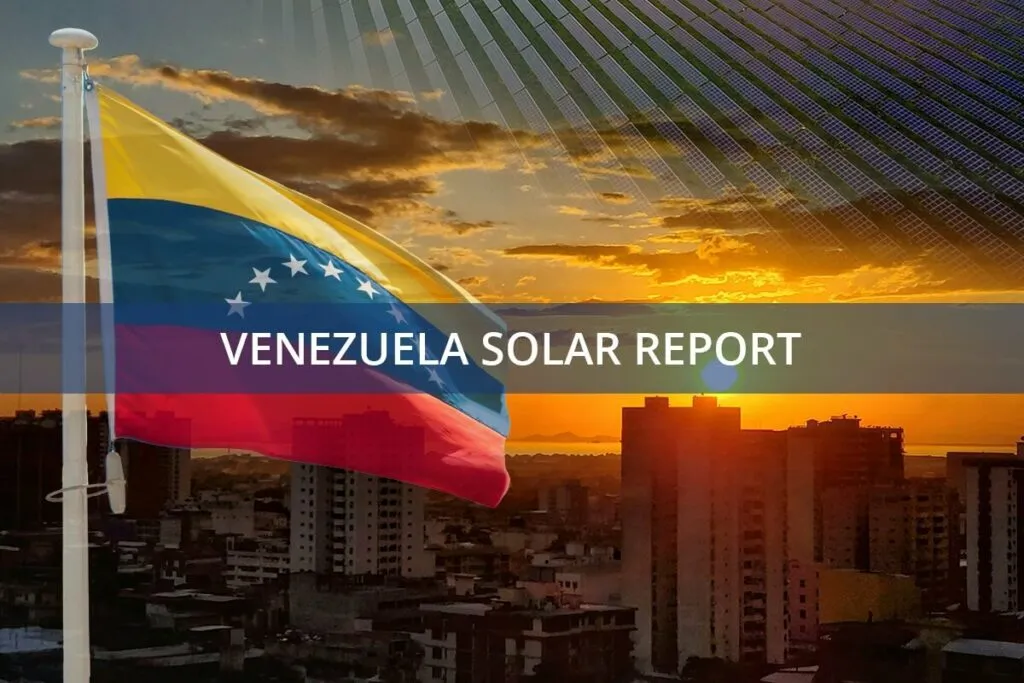
Venezuela has opened its first solar park in El Vigía, Mérida state, marking a significant step towards integrating solar energy into the country’s power grid. The launch comes amid a global surge in solar adoption, which jumped by a stunning 34% in 2024 (Source). This new park represents a pivotal moment for Venezuela’s energy strategy, introducing a power source with wide-ranging implications.
Venezuela Solar Farm: Mérida’s First Solar Park
With the launch of its first phase in El Vigía, located in Mérida state’s Alberto Adriani municipality, Venezuela has taken a major step forward in its renewable energy efforts. This development is especially significant given the challenges within the country’s energy sector. As the first of its kind in the Andean region, the park is expected to play a key role in Venezuela’s national energy strategy.
The project was unveiled by Néstor Reverol, the Minister of Electric Power and President of the National Electric Corporation (Corpoelec). He emphasized that the solar park is part of a broader plan to diversify Venezuela’s energy sources and reduce its reliance on fossil fuels—a crucial move for the nation’s long-term energy security and economic stability.
Capacity and Future Phases of the Venezuela Solar Farm
The solar park currently has a capacity of 1.5 megawatts (MW), enough to power approximately 2,000 homes in El Vigía. According to Minister Reverol, this is just the first phase, with plans to expand the park’s capacity to 8 MW. The commitment to scaling up extends across the region, with two additional solar parks planned for Bailadores and Mérida city. For more information on Venezuela’s solar initiatives, see PVKnowhow’s Venezuela Solar Panel Manufacturing Report.
Equipped with 2,700 solar panels, five inverters, and a state-of-the-art control system, the park will feed generated energy into the local power grid. This will help stabilize the electricity supply in a region often plagued by power outages, a critical benefit for residents and businesses alike.
Impact on Local Communities from the Venezuela Solar Farm
By providing a more reliable electricity source and potentially reducing energy costs, the solar park is poised to have a significant impact on the local community. Minister Reverol also emphasized the government’s commitment to ensuring energy access for all Venezuelans, particularly in remote and underserved areas, calling it a key objective for social and economic development.
The El Vigía solar park is a key component of Venezuela’s broader transition to renewable energy. Despite the country’s vast oil reserves, the government is increasingly prioritizing energy diversification, a move underscored by Maduro’s announcement of a 3,000 MW solar plan for the Venezuelan Andes (Source). This project is one of several renewable energy initiatives underway across the nation. You can find more news related to Venezuelan solar energy at PVknowhow.com.
Venezuela’s Renewable Energy Goals and the Solar Farm
Venezuela’s pursuit of renewable energy is driven by more than just reducing its carbon footprint; it’s also about ensuring energy security and resilience in the face of economic sanctions and a declining oil industry. To that end, the government has set an ambitious goal of generating 15% of its electricity from renewable sources by 2025.
In addition to solar power, Venezuela is developing wind and hydroelectric projects as part of its strategy for a more sustainable and diversified energy sector. This comprehensive approach includes planned investments in energy storage to better integrate renewables into the national grid—essential steps for a successful energy transition.
The El Vigía solar park marks a significant milestone for Venezuela’s energy sector and signals a clear commitment to renewables and diversification. While challenges remain, the project is a promising step toward a more sustainable and resilient energy future for the country.