Ostend-Bruges Airport is building West Flanders’ largest solar park and Belgium’s second-largest, producing nearly 37,000 MWh of energy annually—an output that exceeds the airport’s own needs.
A Strategic Partnership: EnergyVision and Ostend-Bruges Airport
In a groundbreaking initiative towards sustainability, Ostend-Bruges Airport is set to become home to Belgium’s second-largest solar park. This ambitious project—managed by EnergyVision and supported by local authorities—is a pivotal moment in West Flanders’ renewable energy landscape. With plans to install over 66,000 solar panels across a vast expanse of land, the airport aims to significantly boost its energy generation capacity while reducing its carbon footprint.
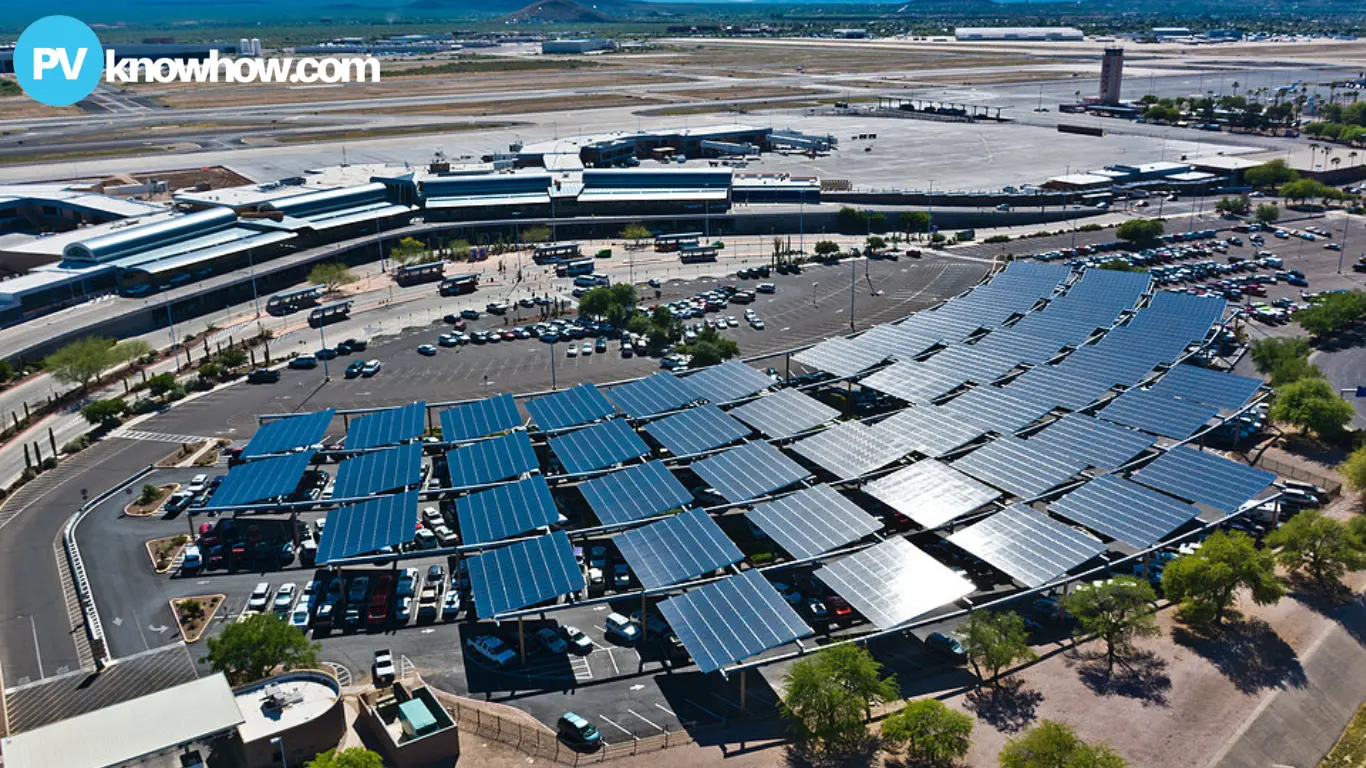
Image: Collected
This landmark airport solar farm is not just an infrastructure project but a statement of commitment to clean energy. Spanning an area equivalent to 61 football fields, the park will cover approximately 303,864 square meters. The sheer scale of the park underscores the ambition behind the project, which is expected to produce nearly 37,000 megawatt-hours (MWh) of electricity annually.
EnergyVision is spearheading the development of this major solar park, a collaboration reflecting a shared commitment to sustainability and innovation. The project aims to meet the airport’s operational needs and contribute surplus electricity to the local grid.
Ostend Mayor Bart Tommelein—a strong advocate for renewable energy—has played a crucial role in securing local support and funding for the €35 million project. This investment is expected to reduce carbon emissions and boost economic growth by creating jobs and supporting local renewable energy businesses.
Despite its promise, the project has faced challenges typical of large-scale infrastructure developments. Permitting processes, land acquisition, and logistical planning required meticulous coordination among all stakeholders. However, proactive engagement with regulatory authorities and transparent communication with the community have helped mitigate potential delays and keep the project on track.
Environmental Impact and Sustainability Goals
The solar park’s environmental benefits are significant. By generating clean electricity equivalent to the consumption needs of thousands of households, Ostend-Bruges Airport is poised to dramatically reduce its carbon footprint. By displacing electricity generated from fossil fuels, the park’s annual production of 37,000 MWh of energy will help mitigate climate change.
According to a release from EnergyVision, the airport solar installation will feature state-of-the-art solar panel technology designed for maximum efficiency and durability. Each of the 66,200 solar panels will be strategically positioned to capture sunlight throughout the day, optimizing energy generation. This choice of equipment underscores Ostend-Bruges Airport’s commitment to deploying cutting-edge renewable energy solutions that deliver lasting results.
The development of the solar park has garnered widespread support from the local community and environmental advocates. Residents see the project as a positive step towards a cleaner, greener future. Public engagement initiatives led by EnergyVision and Ostend-Bruges Airport have helped educate and involve residents in the benefits of renewable energy.
Economic Opportunities and Job Creation
Beyond its environmental impact, the solar park represents a significant economic opportunity for Ostend and the broader West Flanders region. The €35 million investment is expected to stimulate economic growth through job creation and local procurement opportunities. During the construction phase alone, the project is set to create hundreds of jobs in sectors ranging from construction to renewable energy services. Moreover, ongoing maintenance and operational roles will provide sustainable employment for local residents.
The development of Belgium’s second-largest solar park at Ostend-Bruges Airport represents a milestone in sustainable aviation and the energy transition. By harnessing solar power on a significant scale, the airport not only enhances its energy security and cost-efficiency but also contributes to regional and national carbon reduction goals. As the project progresses, stakeholders remain optimistic about its potential to inspire similar initiatives across Europe and beyond, paving the way towards a cleaner, greener future for all.