
Solar module manufacturing machinery transforms raw materials into finished solar panels. This complex process involves several steps and specialized equipment, including essential taping and trimming machines.
So, what exactly does a taping or trimming machine do? This article takes a closer look at these two essential pieces of equipment as part of our ongoing series on solar module production.
What Is a Solar Module Taping Machine?
A taping machine is a vital piece of solar module machinery used to apply a thin layer of adhesive tape to the back of solar cells. This tape acts as a protective layer, ensuring the cells are securely connected and shielded from the elements during and after assembly.
The adhesive tape creates a continuous layer of protection that helps reduce the risk of cell failure during PV panel production. It also helps lower the risk of electrical shorts, which can occur when two cells come into contact.
Taping machines are also used to apply labels to solar cells, which can include product information, barcodes, and QR codes. This ensures that the cells are traceable and can be easily identified if they need to be replaced.
A typical taping machine consists of several components, including a tape roll, an applicator, and a cutting device. The tape roll itself can be made of various materials, such as polyester, polyimide, and fiberglass.
The applicator, which is typically computer-controlled for precision, applies the tape uniformly, while the cutting device trims it to the desired size and shape.
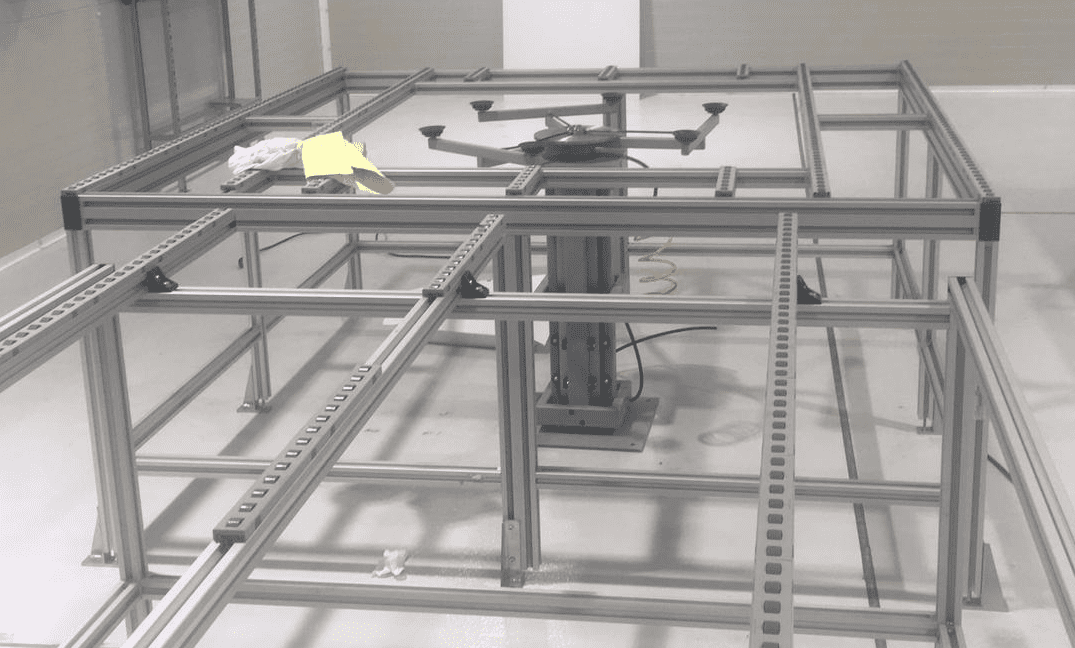
Different Types of Taping Machines
A variety of taping machines are available on the market, each designed to meet the specific needs of the solar module manufacturing process. Common types include:
1. Manual taping machines: These machines are typically used for smaller-scale projects and require manual operation.
2. Semi-automatic taping machines: These machines are designed for larger-scale production and require minimal operator input.
3. Fully automatic taping machines: These machines are designed for high-volume projects and require little to no operator input, integrating seamlessly into automated production lines.
How to Choose the Right Taping Machine
When selecting the right taping machine for your needs, consider these key factors:
1. Determine Your Needs: First, determine the type of taping machine you need based on the size and complexity of your project. Manual taping machines are suitable for smaller projects, while semi-automatic and fully automatic models are better for larger solar production lines.
2. Consider the Cost: Taping machines can be a significant investment, so it’s important to consider the cost before making a purchase. Manual machines are the most affordable option, while semi-automatic and fully automatic models are typically more expensive.
3. Invest in Quality: While cost is an important factor, it is also crucial to invest in a quality taping machine from a reputable manufacturer to ensure long-term reliability and performance.
How Trimming Machines Work
A trimming machine is used to trim excess material from the edges of a solar module, ensuring a clean, uniform finish. This critical step takes place after the module has been laminated.
Trimming removes excess material, such as encapsulant, and cuts the backsheet to the required size before the module frame can be added. This prepares the module for the final assembly stage.
Like many other machines in solar module manufacturing, trimming machines are automated. They use a combination of computer-controlled cutting tools to precisely trim the solar modules. Programmed to cut modules to a specific size, these machines can produce hundreds of units in a single day.
Choosing the right trimming machine is essential for producing high-quality solar modules. High-end machines produce very clean cuts, while cheaper models may leave uneven edges that can result in poor module performance or a compromised seal.
Different Types of Trimming Machines
Several different types of trimming machines are available on the market. The most common types include:
1. Laser cutters: These machines use high-powered lasers to cut away excess material from the modules. They produce high-precision cuts and are often used for creating intricate shapes and sizes.
2. CNC routers: These machines use computer-controlled routers to cut away excess material. Like laser cutters, they are highly precise and can produce complex shapes and sizes.
3. Manual trimming machines: These manually operated machines use blades to cut away excess material. They are not as precise as laser cutters or CNC routers but can still produce high-quality cuts for smaller operations.
How to Choose the Best Trimming Machine
Choosing the right trimming machine is important for ensuring the best results. Keep these best practices in mind during your selection process.
1. Consider your needs: The first step is to evaluate your production needs and determine which type of machine is best suited for your application. This will help you narrow down the options and make the selection process easier.
2. Research the available options: Once you have identified your needs, research the different machines available. Compare features, capabilities, and prices to find the best option for your budget and requirements.
3. Consider the cost: Cost is a major factor when purchasing trimming machines. It’s important to find the right balance between initial cost and long-term performance to ensure the best return on your investment.
4. Choose a reputable manufacturer: Partnering with a trusted manufacturer will ensure that the machine is of high quality, comes with reliable support, and will last for many years.