A new 54 MW agri-PV solar park in Spain, developed by BayWa r.e. for the Velux Group, is now fully operational and connected to the local electricity grid. This innovative project uniquely combines renewable power production with agriculture and biodiversity, supplying Velux with clean energy through a Power Purchase Agreement (PPA).
More Than 85,000 Solar Panels Installed
According to a release on the Velux Group website, the company and BayWa r.e. announced a Power Purchase Agreement (PPA) in November 2022 to develop two large solar photovoltaic (PV) parks in southern Spain: one in Gerena, near Seville, and the other in Alhendín, near Granada.
The Alhendín park was recently completed and now supplies electricity to the grid. It features more than 85,000 solar panels and produces 96.8 GWh of electricity annually—equivalent to the consumption of 24,700 households. With Alhendín now fully operational, Velux has achieved its goal of using 100% renewable electricity for its European operations.
Blending Renewable Energy Production With Agriculture
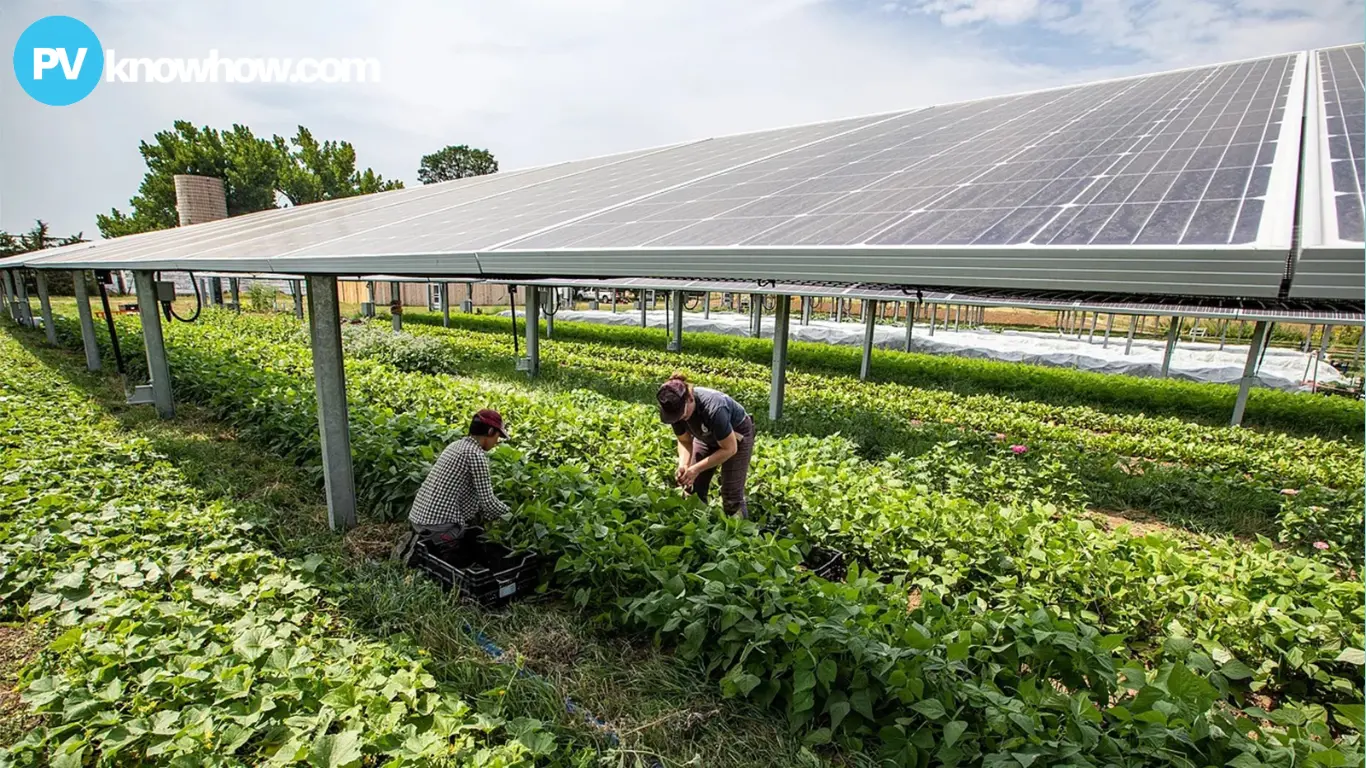
Image: Collected
The Alhendín solar park is an innovative Agri-PV venture. In a first for a BayWa r.e. project in Spain, approximately 10% of the park is specifically designed to accommodate the movement of farming machinery between solar panels.
Kim Jonas, Energy & Climate Director of the Velux Group, commented on the significance of the Alhendín park’s completion and connection to the grid. She noted that this achievement allows Velux to meet its renewable electricity objectives, aligning with the company’s focus on climate action and biodiversity.
Jonas also highlighted the collaboration with BayWa r.e. to introduce the concept of Solar Plant Symbiosis, an initiative designed to integrate solar parks with nature and local communities for mutual benefit.
Daniel Gäfke, Global Director of Projects and Executive Member of the Board at BayWa r.e., expressed his enthusiasm for helping VELUX achieve its 100% renewable electricity goal for its European operations. He emphasized that this milestone advances BayWa r.e.’s commitment to facilitating the corporate energy transition, which is crucial for meeting global climate objectives.
Gäfke stressed the shared commitment with VELUX to go beyond standard practices by implementing innovative features like Agri-PV, enhancing biodiversity, and fostering community engagement.
Introducing the Concept of Solar Plant Symbiosis
The Solar Plant Symbiosis initiative includes a range of measures designed to enhance biodiversity and foster community involvement. It is being developed in partnership with two Spanish universities: the Universidad de Córdoba and the Universidad Autónoma de Madrid.
The initiative’s measures include baseline studies, an Agri-PV pilot, a rainwater collection system, the planting of grass and wildflowers, and the creation of wildlife refuges and hatching areas. These efforts also involve improving steppe habitat and continuous monitoring. Additionally, social activities like workshops and educational visits will engage the local community.
These measures will be implemented in phases at Alhendín Park and are expected to be fully in place by Spring 2025. Meanwhile, the Gerena solar park is awaiting local regulatory approval and is scheduled for completion in 2025, with an expected capacity of about 60 MWp.
Once both solar plants are fully operational, they will generate 167 GWh of renewable electricity for Velux annually—equivalent to the consumption of approximately 45,000 European homes. The PPA with Velux covers about 80% of the electricity produced by the plants. This agreement is expected to reduce the Velux Group’s carbon footprint by approximately 40,000 tonnes of CO2 each year from its European operations.