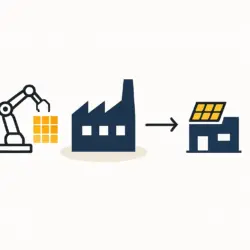
Premier Energies Limited (PEL) has secured a major solar agreement with Apraava Energy to supply 350 MW of solar PV modules for a new greenfield solar project in Rajasthan. This contract marks a significant step forward for India’s renewable energy sector as the country accelerates its push toward ambitious clean energy goals.
Enhancing Solar Power Capacity in India
Chiranjeev Singh Saluja, Managing Director of PEL, emphasized that this agreement not only enhances the efficiency and output of Apraava Energy’s operations but also reinforces India’s commitment to a sustainable energy future. By using locally manufactured solar PV modules, the project aims to reduce the nation’s dependency on imported components and foster self-reliance within the solar energy sector.
Naveen Munjal, Director of Apraava Energy, highlighted the critical role of domestic production in building a robust renewable energy infrastructure. He noted that sourcing modules from Premier Energies would contribute significantly to the growth of India’s renewable energy ecosystem, which is vital for achieving the nation’s long-term environmental and economic objectives.
The solar PV modules from Premier Energies will be crucial for Apraava Energy’s project in Rajasthan, ensuring the solar plant operates at peak efficiency. This collaboration also underlines the strategic importance of financing clean energy projects that deliver substantial environmental benefits. By supporting the development of robust and sustainable energy systems, the partnership aims to make solar energy more accessible and affordable across India.
Driving Renewable Energy Growth
This solar agreement represents a key milestone in India’s broader efforts to expand its renewable energy capacity. As the country works to reduce its reliance on fossil fuels and lower its greenhouse gas emissions, the deployment of domestically manufactured solar modules becomes increasingly critical. The project is expected to contribute significantly to India’s goal of installing 450 GW of renewable energy capacity by 2030, a target that aligns with global climate commitments and national sustainability initiatives.
Chiranjeev Singh Saluja pointed out that this collaboration with Apraava Energy will enable the company to optimize its power generation capabilities, contributing to the stability and reliability of India’s energy grid. Naveen Munjal echoed these sentiments, adding that domestic manufacturing is not just about economic growth but also about building a resilient renewable energy ecosystem that can withstand global supply chain disruptions.
Furthermore, this project is anticipated to create numerous jobs in the manufacturing and installation sectors, supporting local economies and providing new opportunities for skilled labor in the renewable energy industry. By investing in solar energy, India is not only addressing its energy needs but also paving the way for sustainable economic development.
Strategic Importance for Future Projects
The partnership between Premier Energies and Apraava Energy sets a powerful precedent for future renewable energy projects across India. It demonstrates the potential of large-scale domestic manufacturing to support industrial-scale solar projects, driving technological innovation and sustainability in the sector. This collaboration is expected to attract further investment from both domestic and international stakeholders, promoting sustainable practices across industries and positioning India as a leader in the global renewable energy market.
Moreover, this solar agreement is likely to influence government policies and initiatives aimed at fostering a more favorable environment for renewable energy investments. By showcasing the viability and benefits of large-scale solar projects, this partnership can serve as a model for future collaborations and encourage more companies to invest in India’s burgeoning renewable energy sector.
Expanding Solar Infrastructure in Rajasthan
Rajasthan is rapidly emerging as a central hub for renewable energy, with numerous major solar projects underway. The state’s growing solar infrastructure is supported by various government initiatives designed to enhance its solar manufacturing sector and attract investment. One such project is NHPC’s 300 MW solar power plant in Bikaner, expected to come online in 2024. This plant will generate approximately 750 million units of green energy annually, resulting in significant reductions in carbon emissions while providing clean energy to thousands of households.
Additionally, NTPC Renewable Energy Limited has floated a tender for a 2,000 MW solar power project in Barmer, which further underscores Rajasthan’s commitment to expanding its renewable energy capacity. These projects, bolstered by reduced costs for solar modules and government incentives, are contributing to Rajasthan’s goal of achieving 90 GW of renewable energy capacity by 2030, with 65 GW coming specifically from solar PV technology.
Rajasthan’s abundant sunlight, coupled with a supportive policy framework, positions the state as a key player in India’s solar energy ambitions. The state’s leadership in solar energy development is paving the way for a greener, more sustainable future for India and demonstrating the significant potential of solar power to meet the country’s energy demands while reducing its environmental impact.