A New Dawn: Solar Transition Enhances Healthcare at Sidvokodvo Clinic
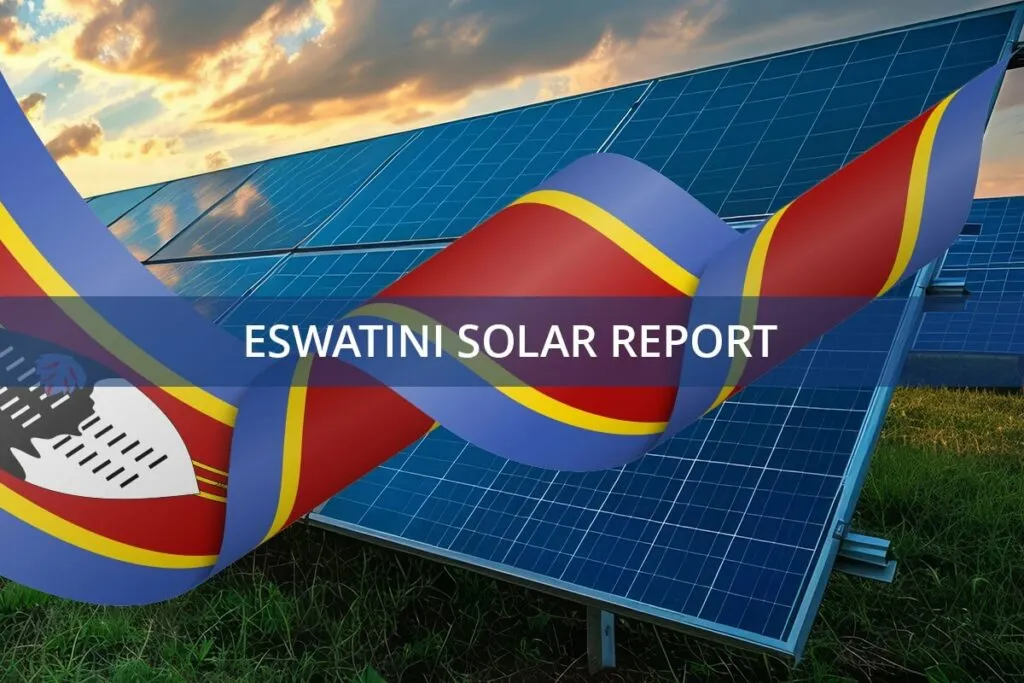
For the Sidvokodvo Clinic, a vital healthcare provider in a quiet corner of Eswatini’s Manzini region, frequent power outages once posed a constant threat to patient care. Now, through a collaborative initiative sponsored by UNICEF and USAID, the facility is a benchmark for sustainable healthcare, powered by a reliable solar energy system.
This transition is more than an infrastructure upgrade; it’s a lifeline. The clinic, operational for just two years, previously struggled with an unstable grid, jeopardizing everything from routine procedures to the critical vaccine cold chain. During a recent visit, UNICEF officials learned how the consistent power supply has fundamentally transformed the clinic’s ability to serve its community.

Sidvokodvo Clinic in Eswatini now guarantees uninterrupted medical services and vaccine integrity thanks to its new solar installation.
From Interruption to Innovation: Solar Transition Enhances Healthcare at Sidvokodvo Clinic
Samkelisiwe Mzolo, a nurse at the clinic, highlighted the profound operational shift. “The introduction of solar panels has revolutionized our operations,” she stated. “We once faced frequent interruptions from power outages, but our patients now receive continuous and reliable medical services.”
A primary benefit has been the stabilization of the vaccine cold chain. “With stable solar power, we no longer risk losing vaccines… as often happened before,” Mzolo added. This newfound reliability ensures the community is protected against vaccine-preventable diseases and allows the clinic to plan for expanded services, including maternal, child health, and HIV prevention programs.
Aligning with National Health and Energy Goals: Solar Transition Enhances Healthcare at Sidvokodvo Clinic
The success at Sidvokodvo mirrors a broader national strategy. The Ministry of Health (MOH) is actively championing the integration of renewable energy to enhance healthcare resilience and reduce operational expenditures. This initiative is evident in other projects, such as the installation of solar panels at Khuphuka Clinic to cut electricity costs, as noted in the Parliament of Eswatini’s Annual Budget Performance Report.
Leonard Zwane, Head of the Biomedical Unit at MOH, confirmed the positive impact. “Our latest data shows a daily decrease in conventional energy consumption as solar energy becomes more integrated into our healthcare facilities,” he said. The financial savings from this transition are significant, freeing up crucial funds to be reinvested directly into patient care.
However, the journey requires ongoing commitment. To ensure long-term success, efforts must focus on standardizing solar technologies for easier maintenance, building the capacity of MOH staff to manage these systems, and continuously monitoring cost-effectiveness to justify future expansion.
Eswatini’s Broader Push for Energy Independence: Solar Transition Enhances Healthcare at Sidvokodvo Clinic
This project is a key part of Eswatini’s larger ambition to achieve energy sovereignty. The nation has historically relied on electricity imports from South Africa, but it is now leveraging its favorable climate to develop its own renewable resources. In line with its commitment to the SE4ALL initiative, Eswatini aims for renewables to constitute 50% of its energy mix by 2030.
To spur this growth, the government has exempted solar panels and batteries from import duties, encouraging adoption across residential and commercial sectors. Large-scale developments like the Eswatini Solar-Storage Project and the Lavumisa Solar PV Plant are further advancing this goal, creating jobs and ensuring a stable power supply for public infrastructure. The transformation at Sidvokodvo Clinic serves as a powerful illustration of this national vision, demonstrating how sustainable energy can build a healthier and more resilient future for all of Eswatini.
Sources
- Eswatini Water Services Corporation Annual Report 2023
- Healthcare Infrastructure Development in Eswatini
- Nedbank Capital Expenditure Project Listing 2025
- Annual Budget Performance Report for Health 2025 – Parliament of Eswatini
- Central Bank of Eswatini Annual Report 2016-2017
- RES Integrated Report 2025
- Eswatini National Development Plan 2023/24 – 2027/28
- Standard Bank Group Report To Society 2024