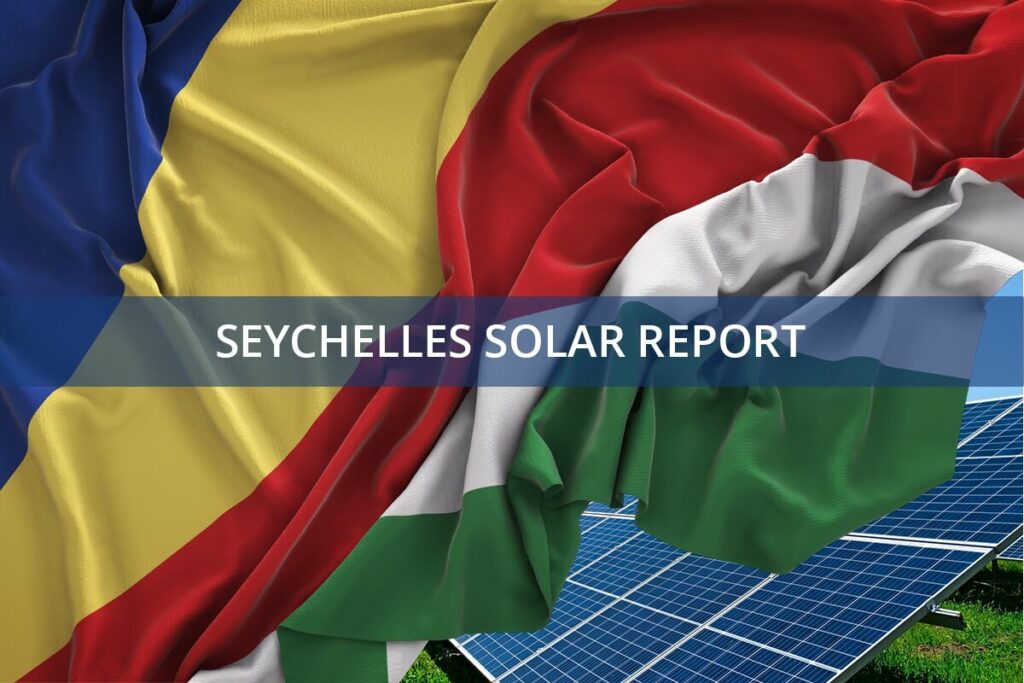
The Republic of Seychelles is poised to launch a comprehensive new strategy by the end of the year, aimed at accelerating investment in green technologies and the nation’s burgeoning renewable energy sector. This initiative, announced by the Seychelles Investment Board (SIB), is a cornerstone of the country’s broader National Development Strategy and its commitment to building a resilient, sustainable economy.
Forging a Path as Seychelles to Announce New Renewables Strategy
The strategic framework is being finalized following extensive stakeholder consultations, including a recent workshop held in collaboration with the United Nations Conference on Trade and Development (UNCTAD). The event brought together key figures from finance, environmental management, and the energy industry to refine a three-year project designed to unlock finance for clean energy. Anne Rosette, chief executive of the SIB, confirmed that discussions to shape the policy began in the first quarter of 2024.
Addressing the workshop, Flavien Joubert, the Minister for Agriculture, Climate Change, and Environment, emphasized the critical need to move away from fossil fuels. He highlighted the unsustainability of relying on imported petroleum products, citing the volatility caused by geopolitical tensions which creates supply uncertainty and price shocks for the island nation.
Identifying Bankable Projects as Seychelles to Announce New Renewables Strategy
With UNCTAD’s support in data collection, implementation, and training, the SIB is now focused on identifying bankable projects to present to both local and international investors. “Renewable energy is cross-cutting,” Rosette noted, explaining its integration with other key sectors like waste management and the circular economy.
However, the path to a greener grid has its challenges. Tony Imaduwa, Principal Secretary for the Department of Energy, pointed out that rising energy consumption from both households and businesses complicates efforts to increase the share of renewable energy in the national mix. To counteract this, he stressed the importance of public education on energy efficiency alongside the development of new clean power projects.
Building on a Foundation as Seychelles to Announce New Renewables Strategy
This new strategy builds upon Seychelles’ existing commitments to solar energy and other renewables. The nation is already home to a significant solar farm on Ile Romainville and five wind turbines, which together generate seven million kilowatt-hours of green electricity annually, sufficient for approximately 2,000 homes. Furthermore, a recent agreement with French energy firm Qair will see the installation of a 5-megawatt floating photovoltaic system in the lagoon at Providence.
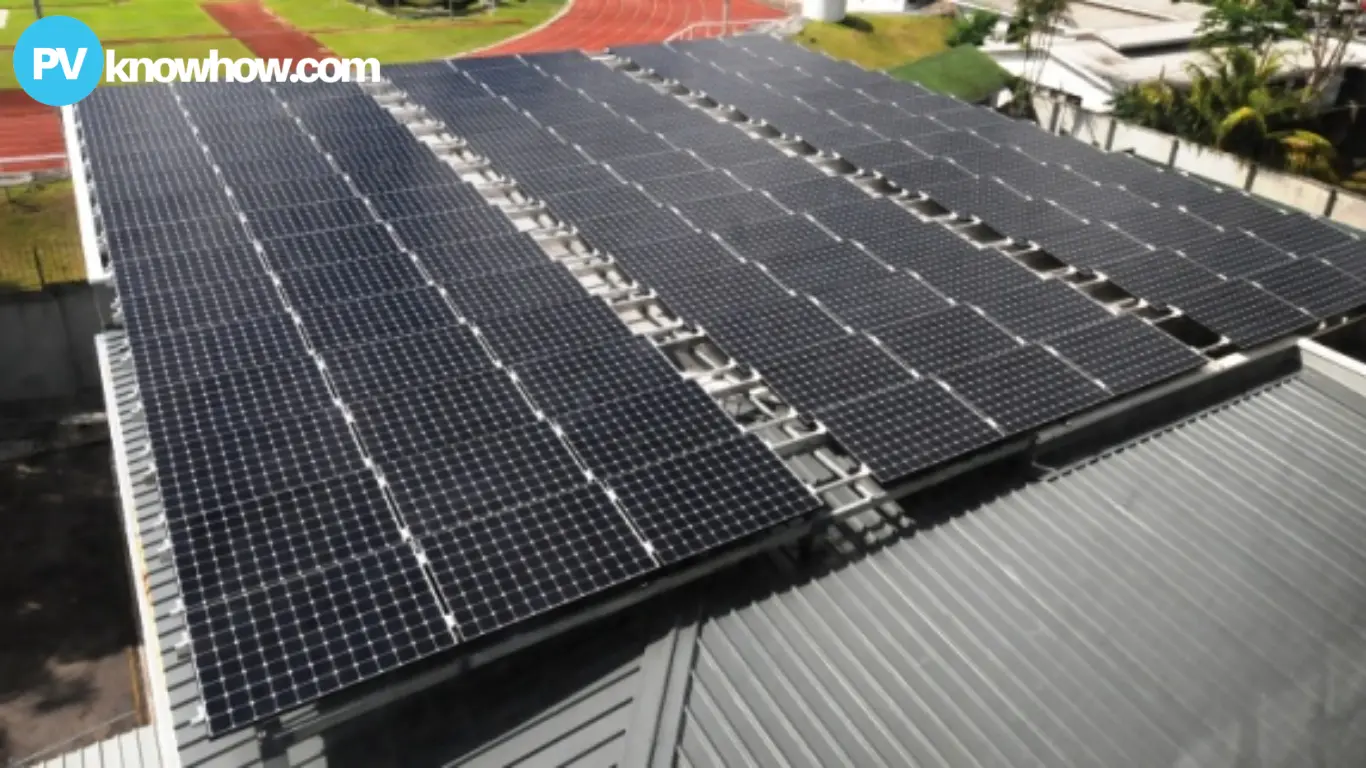
These initiatives are guided by the Seychelles 100 Percent Renewable Energy Strategy (SeyRES 100), which sets a target of generating 15 percent of the nation’s energy from renewable power sources by 2030. To spur adoption, the government, in partnership with the UNDP and the Global Environment Facility (GEF), offers substantial financial incentives, including rebates of 25% for residential and 15% for commercial PV system installations.
For Seychelles, an archipelago nation on the front lines of climate change, this strategic push is not just an economic opportunity but an existential necessity to secure a sustainable and resilient future.
Sources
- Greening the Islands and the Seychelles Announce Landmark …
- Renewable Energy: Seychelles’ Economic Future – Maarco Francis …
- [PDF] Seychelles National Development Strategy
- New World Bank Group Strategy for Seychelles to Focus on …
- New energy policy is a roadmap to increase Seychelles’ renewable …
- [PDF] Annual Report 2024 | UNDP SEYCHELLES
- [PDF] SEYCHELLES NATIONAL DEVELOPMENT STRATEGY 2024-2028
- World Bank Backs Seychelles’ Efforts to Build a Resilient Economy …
- Seychelles Launches Ambitious Renewable Energy Program to …