GreenYellow to Lead Djibouti Solar Project, the Nation’s Largest Solar Power Plant
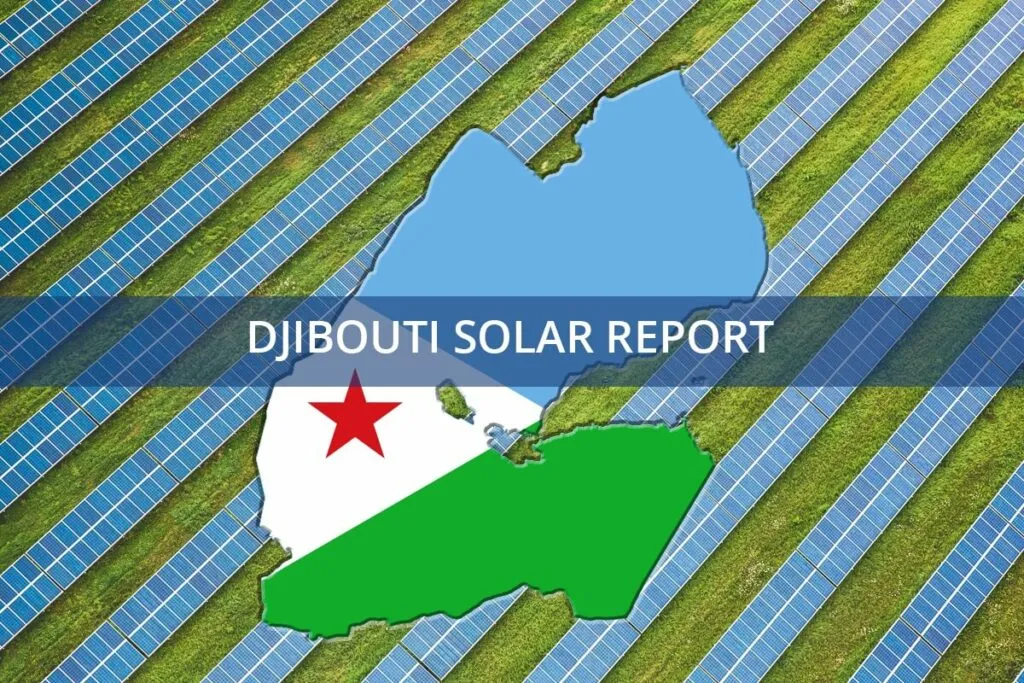
GreenYellow, a leading French renewable energy company, has forged a public-private partnership with the Djibouti government to develop a 25 MW solar power plant in the sun-drenched Grand Bara desert. Set to become Djibouti’s largest solar farm, this groundbreaking project marks a significant leap forward in the nation’s solar energy capabilities.
The ambitious Grand Bara Solar Project will include a 25 MW solar power plant, an integrated 5 MW/10 MWh battery storage system, and a state-of-the-art 230 kV substation, according to EnergyTrend.
Covering approximately 30 hectares in Djibouti’s southern region, GreenYellow aims to complete construction within a brisk 12-month timeline, with the plant expected to be operational by the end of 2025.
This solar initiative will supply clean energy to Electricité de Djibouti (EdD), the national electricity provider. It plays a pivotal role in Djibouti’s strategy to diversify its energy mix, reduce its heavy reliance on diesel and fuel oil, and dramatically curtail greenhouse gas emissions. The project is critical for bolstering the nation’s climate goals, especially since hydroelectric power imported from Ethiopia currently accounts for 65% of the national supply.
Djibouti Solar Project Drives Energy Transition and Climate Goals
Blessed with abundant sunshine, Djibouti is harnessing its solar potential to reduce its dependence on fossil fuels and imported electricity. The nation has set an ambitious goal of generating 30% of its electricity from renewable sources by 2030, with solar energy serving as a cornerstone of this initiative. The Grand Bara Solar Project is a vital step toward achieving Djibouti’s energy transition goals.
The project aligns with Djibouti’s objective to reduce greenhouse gas emissions by 40% by 2030, as outlined in its Nationally Determined Contribution (NDC) under the Paris Agreement. By replacing fossil fuel-based electricity with clean solar power, the project will help Djibouti meet its climate commitments.
Additionally, the project will generate local employment opportunities during its construction and operational phases. It will also support the growth of Djibouti’s renewable energy sector by creating opportunities for training and capacity building in solar technologies.
By reducing its reliance on imported electricity, the Grand Bara Solar Project will bolster Djibouti’s energy security. This, in turn, will enhance the stability of the national grid and improve the reliability of the electricity supply for the country’s population.
GreenYellow’s substantial investment in the Grand Bara Solar Project is one of the largest foreign investments in Djibouti’s renewable energy sector. The project is part of a broader strategy by the government to attract foreign investment and promote public-private partnerships in the energy sector.
Grand Bara Project: A Milestone for Djibouti’s Renewable Energy Future
The Grand Bara Solar Project is a pivotal milestone in Djibouti’s renewable energy journey, underscoring the country’s commitment to a cleaner, more sustainable energy future. Its success also highlights the importance of international cooperation and public-private partnerships in achieving global climate goals.
The Djibouti government has set ambitious renewable energy targets and aspires to become a regional leader in clean energy. The country’s strategic location, combined with its abundant solar resources, makes it an ideal candidate for large-scale solar projects like Grand Bara.
This project is set to serve as a model for future renewable energy initiatives in Djibouti and beyond. By leveraging its natural assets and attracting foreign investment, Djibouti is well on its way to achieving its renewable energy goals and contributing to the global effort to combat climate change.
For deeper insights on Djibouti’s solar power initiatives, read about the AMEA Power Commissions Djibouti Solar PV Park and the Djibouti Solar Panel Manufacturing Report. These resources offer a closer look at the nation’s ongoing transformation towards renewable energy.