Investing in Angola’s Solar Future: A Manufacturer’s Guide to Permits, Policies, and Compliance
Exciting developments are underway in Angola as it sets its sights on a brighter, solar-powered future, making it a promising destination for entrepreneurs and investors passionate about renewable energy. The country’s strong focus on sustainable development is creating a wave of opportunities for those interested in establishing solar panel manufacturing facilities. This surge in demand for clean energy is driven by ambitious national objectives to expand electricity access and enhance energy self-sufficiency.
Eager to be part of this transformative journey? Your first pivotal step is mastering the local regulations. This guide is your companion, navigating you through the critical permits, policies, and compliance essentials needed to kickstart your solar manufacturing enterprise in Angola.
Table of Contents
Why Angola? Embracing Local Solar Manufacturing
So, why does Angola shine as a beacon for solar manufacturing? This isn’t just talk; the country is actively crafting a green future. Strategic national plans such as the “Angola Energia 2025” strategy and the National Development Plan (2023-2027) outline a clear trajectory where solar energy plays a central role in a more diversified energy landscape.

Angola is aiming for a 72% on-grid electrification rate by 2050, with renewables spearheading the charge. In the shorter term, the “New Renewables Strategy” aims for a minimum of 7.5% of electricity from new sources like solar by 2025. Even more impressive, studies from the Ministry of Energy and Water (MINEA) reveal a potential of 16.3 GW of solar power waiting to be harnessed!
What’s particularly compelling for manufacturers is Angola’s robust commitment to nurturing its local manufacturing sector. The country views homegrown solar panel production as a powerful driver for economic advancement, job creation, and curbing import dependence. This initiative also acts as a catalyst for accelerated electrification, especially in underserved rural areas where energy access is as low as 6%.
This strategic foresight positions Angola as an inviting destination for investments in solar panel manufacturing. This isn’t merely lip service; the International Trade Administration attests to the genuine efforts by the Angolan government to transform the country into a hub for renewable energy investments.
Curious about investing in Angola or similar markets, or have additional queries of your own to share? We’re genuinely eager to hear from you in the comments below! Let’s foster a community of knowledge and support together.
To deepen your understanding, explore our Free E-course
for foundational insights, or accelerate your expertise with our Premium Course.
Navigating Regulatory Channels: Unveiling Key Laws and Regulatory Bodies
Let’s delve into the rulebook. For savvy investors, understanding the legal and institutional framework is foundational. The good news? Angola has proactively established a structure to stimulate renewable energy growth and private investment in the solar sector.
The Legal Landscape:
The General Electricity Law (Law no. 27/2015): This law is the cornerstone of the sector. Enacted in December 2015, it opened the market to Independent Power Producers (IPPs) and created a more liberalized energy market. Crucially for manufacturers, this law enables private entities to generate power, allowing you to potentially use your solar installations to power your factory or sell excess energy.
Ready to make big Profits?
The solar Industry is Booming
WE HELP NEWCOMERS to the solar industry start their own solar module production line. Customers can make BIG PROFITS by selling modules and finding investors, without wasting money and time on things they don't need!
Private Investment Law (Law No. 10/21 of 22 April 2021): This law focuses on making Angola an attractive investment hub for local and global players. It provides various incentives and aims to streamline processes, underscoring Angola’s commitment to attracting businesses.
Regulatory Players:
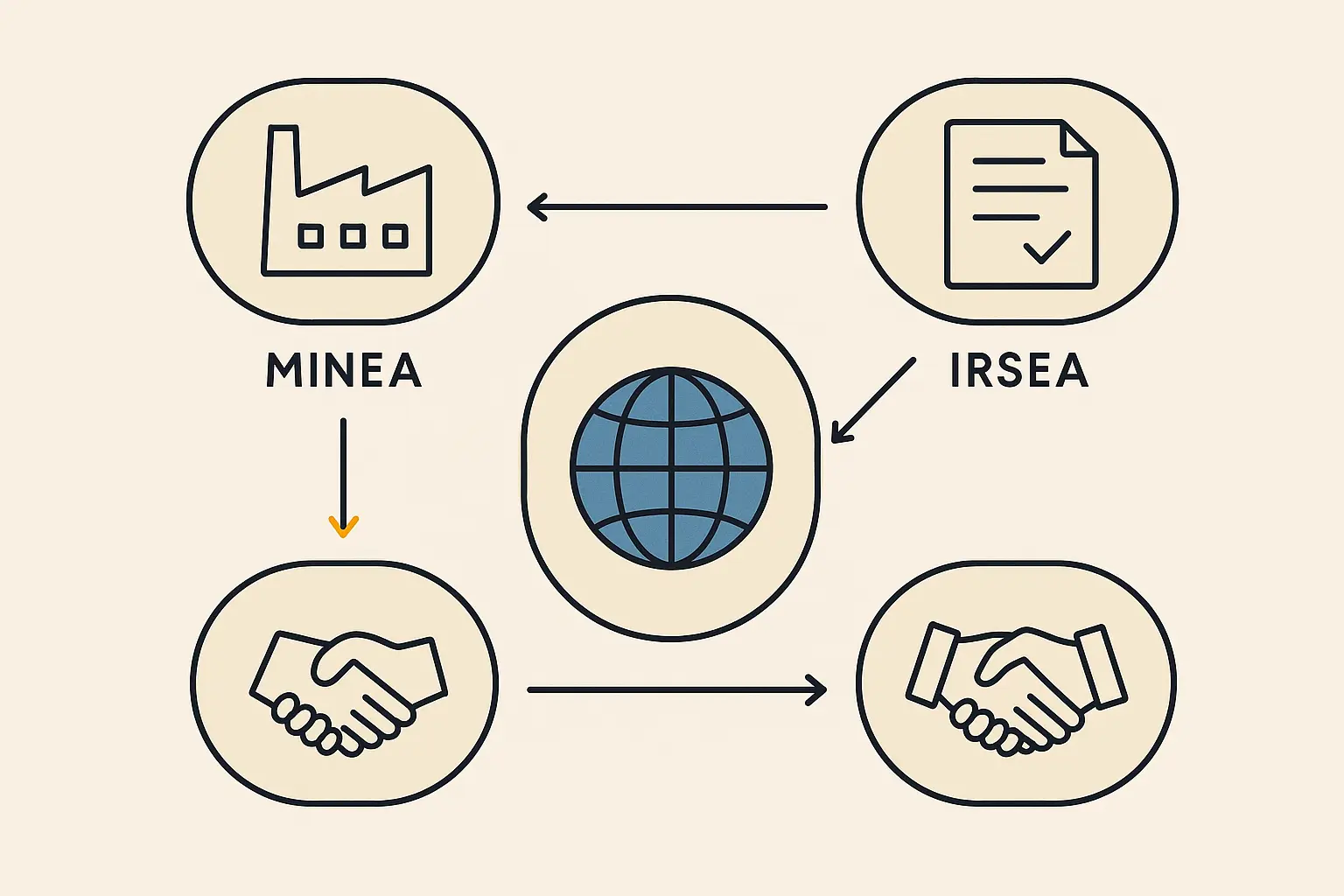
- Ministry of Energy and Water (MINEA): The primary government entity steering energy policies. MINEA plays a pivotal role in formulating and executing energy strategies, promoting renewable energy in alignment with national blueprints such as “Angola Energia 2025.”
- IRSEA (Instituto Regulador dos Serviços de Electricidade e de Águas): Serving as the sector’s official referee, IRSEA oversees essential tasks like licensing, tariff setting, and ensuring compliance with regulations in the electricity realm.
- AIPEX (Agência de Investimento Privado e Promoção das Exportações de Angola): As the Angolan Investment and Export Promotion Agency, AIPEX is your key partner. It acts as a dedicated support center, offering assistance with business registration, license navigation, and unlocking potential incentives to smooth your investment process.
Laying the Foundation: Essential Permits and Licenses for Your Factory
Ready to establish your solar panel factory in Angola? The first step involves securing crucial permits and licenses. While specifics may evolve, it’s wise to stay informed of the latest updates. Here’s a general outline:
Business Registration and Incorporation: Ensure your company is legally registered in Angola. AIPEX stands ready to assist you through this process.
Industrial License: An essential requirement for operating a manufacturing facility, this license verifies compliance with industrial standards and regulations.
Environmental License: This license is essential for ensuring environmental responsibility in manufacturing. It requires an Environmental Impact Assessment (EIA) to identify and manage potential environmental impacts.
Construction Permits: Before commencing construction, you must obtain building and land use permits from local authorities.
Fortunately, AIPEX is structured to support you through these stages. Our advice is to engage with them early on—it can make a world of difference!
Fueling Your Venture: Investment Incentives and Support for Solar Manufacturing
Angola is not just opening doors but actively encouraging investments in renewable energy, particularly in local solar manufacturing. A range of supportive incentives and systems are in place, with more on the horizon:
Fiscal Incentives: Under the Private Investment Law, investors can access attractive financial benefits. These may include exemptions or reduced rates on industrial tax, consumption tax, and customs duties for importing crucial machinery, equipment, and raw materials for solar panel production. The Angolan government remains committed to enhancing these advantages for the renewables sector.
Financial Support Mechanisms:
- National Energy Fund (FUNEL): This fund offers favorable financing terms for renewable energy projects, potentially including manufacturing endeavors.
- Angolan Sovereign Fund (FSDEA): For larger-scale projects (typically over 10MW), the FSDEA may invest by holding a minority stake, offering an additional avenue for capital.
- International Collaborations and Financing: Angola’s solar aspirations are commanding significant international interest. For instance, the U.S. EXIM Bank has pledged over $900 million toward a sizable solar initiative aiming to produce over 500MW. Organizations like the African Development Bank (AfDB) are also prominent supporters, actively fostering an inviting environment for private investment in Angola’s renewable energy sector.
- Advocacy for Local Production: There is a strong drive to promote solar systems labeled “Made in Angola.” The “New Renewables Strategy” initially set goals for the local production of individual solar systems, signaling a clear dedication to fostering a robust domestic solar panel manufacturing sector.
Operating Responsibly: Environmental Compliance and Standards
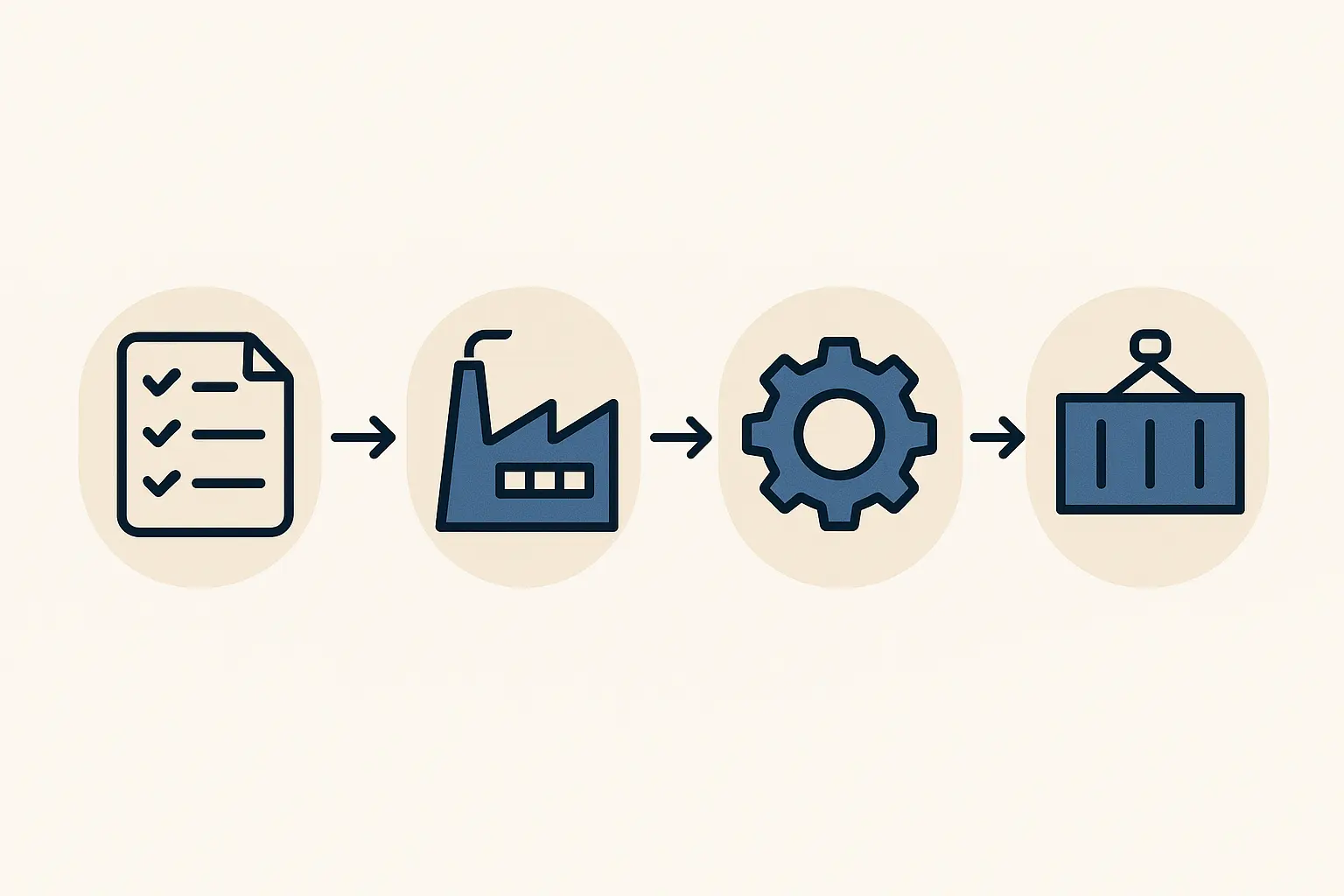
Being a responsible manufacturer goes beyond simply following rules—it’s about cultivating a sustainable business. For your solar panel factory in Angola, keep the following environmental considerations in mind:
- Environmental Impact Assessment (EIA): A thorough EIA is a prerequisite for your factory’s license. Spearheaded by the Ministry of Culture, Tourism, and Environment, it involves analyzing potential environmental and social impacts and developing mitigation strategies.
- Vital Environmental Laws and Regulations: Familiarize yourself with Angola’s national statutes on pollution control, waste management (especially for manufacturing materials), water consumption, and emissions.
- Tailored Compliance for Solar Panel Manufacturing: This includes the careful handling and disposal of all production materials. It also means planning for the end-of-life management of solar panels—an increasingly important global concern.
Embracing these standards isn’t just about compliance—it’s a smart move that strengthens your business’s long-term viability, credibility, and relationship with the community.
Beyond Regulations: Key Operational Considerations for Your Angolan Solar Factory
With these regulatory insights in mind, what operational aspects should you consider for running a successful factory in Angola? Here are some crucial points to consider:
- Land Acquisition and Zoning: Securing land optimized for industrial purposes is crucial. Angola has been developing industrial parks and zones that could offer strategic advantages.
- Labor Laws and Local Content: A firm grasp of Angola’s labor regulations is indispensable. The authorities emphasize ‘local content,’ prioritizing the employment of Angolan talent and sourcing locally whenever feasible.
- Infrastructure: Reliable access to electricity, water, and efficient transport links is paramount. The government is actively working to enhance broader infrastructure networks.
- Supply Chain and Logistics: A robust supply chain for raw materials and streamlined logistics for distributing finished panels are indispensable for success. Careful planning in this area is pivotal.
Considering these operational details in the early stages can prevent challenges later on. What other practical considerations are on your mind? Share your thoughts in the comments below!
The Path Forward: Opportunities and Navigating Challenges in Angola’s Solar Sector
What’s on the horizon for solar manufacturers in Angola? The prospects are exciting, presenting an exceptional opportunity for innovative companies to drive real change. The burgeoning demand for solar power—spurred by electrification objectives and energy security commitments—coupled with supportive government policies and incentives, paints an optimistic picture. Moreover, there is an opportunity to not only serve Angola but also expand into neighboring regions.
Of course, like any emerging market, you might encounter hurdles such as bureaucratic red tape, evolving regulations, or developing infrastructure. But these are growing pains, not insurmountable roadblocks. The Angolan government’s dedication, demonstrated through initiatives like “Angola Energia 2025” and the backing from AIPEX, is unmistakable. With robust international partnerships in play, the trajectory is upward. Recent developments, such as planned photovoltaic panel factories (like the agreement between Sonangol and QINGHAI LIHAO CLEAN ENERGY), indicate growing confidence in Angola’s solar sector.
Partner with PVknowhow.com to Illuminate Angola’s Solar Future
Considering a move into solar manufacturing in Angola? It’s a significant endeavor where seasoned experts can make all the difference. That’s where PVknowhow.com comes in. With over two decades of practical experience in the photovoltaic sector, we are passionate about helping entrepreneurs like you succeed.
Think of us as your partners in success. Whether you need comprehensive business planning, robust financial frameworks, turnkey production line setup, or expert technical advice, we are your allies from initial concept to a flourishing solar factory. We understand that navigating Angola’s regulatory landscape is crucial, and we excel at translating policies into practical, actionable steps to ensure your venture is built on technical expertise and smart strategies.
Eager to explore how we can help you carve your niche in Angola’s radiant solar future? Let’s start the dialogue!
Frequently Asked Questions (FAQs) on Angola Solar Manufacturing
Have some queries in mind? Here are answers to common questions about solar manufacturing in Angola:
What are Angola’s main renewable energy targets?
Angola is aiming for a substantial increase in renewable energy adoption. Core objectives include sourcing at least 7.5% of electricity from new renewables (like solar) by 2025 under the “New Renewables Strategy.” Long-term goals include achieving a 72% on-grid electrification rate by 2050, with renewables playing a pivotal part. National ambitions point toward substantial solar power installations, potentially reaching up to 1GW.
Which agency is pivotal for investors in Angola?
The Angolan Investment and Export Promotion Agency (AIPEX) is the central point of contact for private investments. They guide you through official procedures such as business registration, licensing, and accessing incentives.
Are there financial incentives for solar manufacturers in Angola?
Yes, Angola offers incentives through its Private Investment Law, including possible tax benefits (industrial tax, consumption tax) and reduced customs duties on imported equipment and raw materials. Programs like the National Energy Fund (FUNEL) also aim to provide project financing.
Is an Environmental Impact Assessment (EIA) mandatory for solar panel factories in Angola?
Yes, an EIA is mandatory before establishing a solar panel factory or any other substantial industrial project. The process evaluates and helps mitigate potential environmental and social impacts.
Why is local solar panel manufacturing critical for Angola?
Local solar panel manufacturing is a game-changer for Angola. It helps the country achieve its energy objectives by reducing import reliance, creating local jobs, diversifying the economy, potentially lowering solar power costs, and accelerating electricity access, especially in rural regions. This aligns with the government’s strategic plans for industrial expansion and energy autonomy.