Powering Ahead: A Straightforward Look at Solar Manufacturing in Antigua & Barbuda
Solar manufacturing isn’t just a buzzword in Antigua and Barbuda; there’s real momentum behind it. The country is serious about moving toward sustainable energy, so the doors are wide open for anyone ready to get into renewables. For local entrepreneurs, this isn’t some pie-in-the-sky opportunity; it’s right here, right now.
Picture this for a minute: setting up a business that helps your country achieve energy independence. You’d be creating lasting jobs, developing local skills, and building a stronger, more resilient economy—one driven by clean tech, not just hope. It’s not just an idea; it’s happening.
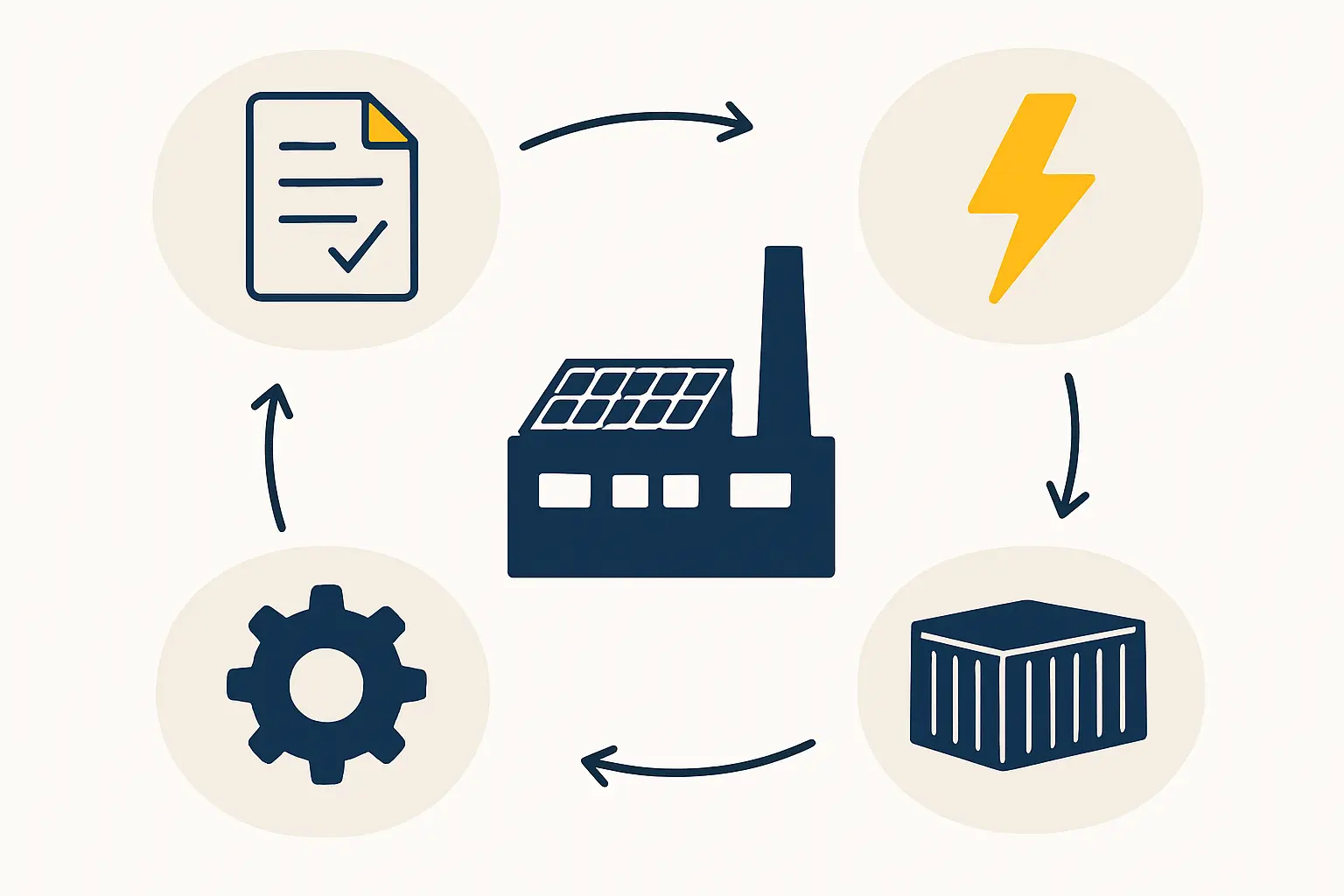
Here’s the kicker—no matter how good your vision is, you need to navigate the maze of local permits, laws, and compliance requirements. Skip that step, and your project is going nowhere fast. Think of it like building a house: the paperwork isn’t glamorous, but it’s the only way to ensure what you’re building will last.
I work with PVknowhow.com, and our daily work is helping people navigate this exact territory. That’s why this guide exists: to cut through the clutter and show you what’s involved if you want to manufacture solar panels here.
Table of Contents
Ready to Power Up Your Solar Journey?
Ready to unlock your solar potential? Kick things off with our Free E-Course to grasp all the fundamentals. If you’re serious about transforming your solar dreams into a thriving reality, our Premium Business Plan E-Course offers personalized, one-on-one guidance to get you there.
The Legal Side: What Rules You Actually Need to Care About
Don’t expect a single “Solar Manufacturing Law” here—you’ll be working in the spaces between several laws covering energy, business, and the environment. Piecing it all together is part of the job.
The Renewable Energy Act, 2015: This Is Your Starting Point
This law is what put Antigua and Barbuda’s renewables agenda in writing. It’s mostly about power generation and connecting to the national grid, but it matters for manufacturers for a few key reasons:
Licensing: There isn’t a specific license for making solar panels. However, if you’re part of the renewable energy supply chain, expect to go through the usual business and industrial licensing process. Don’t overlook environmental approvals—without them, you’re dead in the water.
The Ministry’s Role: The Ministry of Energy officials aren’t just pushing paper—you’ll be working with them at every step. They set standards, oversee the sector, and expect you to be on their radar. Building a good working relationship with them isn’t optional.
Renewable Energy Fund: The Act established this fund to help renewable projects get off the ground. Whether your factory qualifies depends on program specifics, so check the latest details before assuming anything.
Other Laws Worth Knowing
Every manufacturer must get familiar with a handful of core laws:
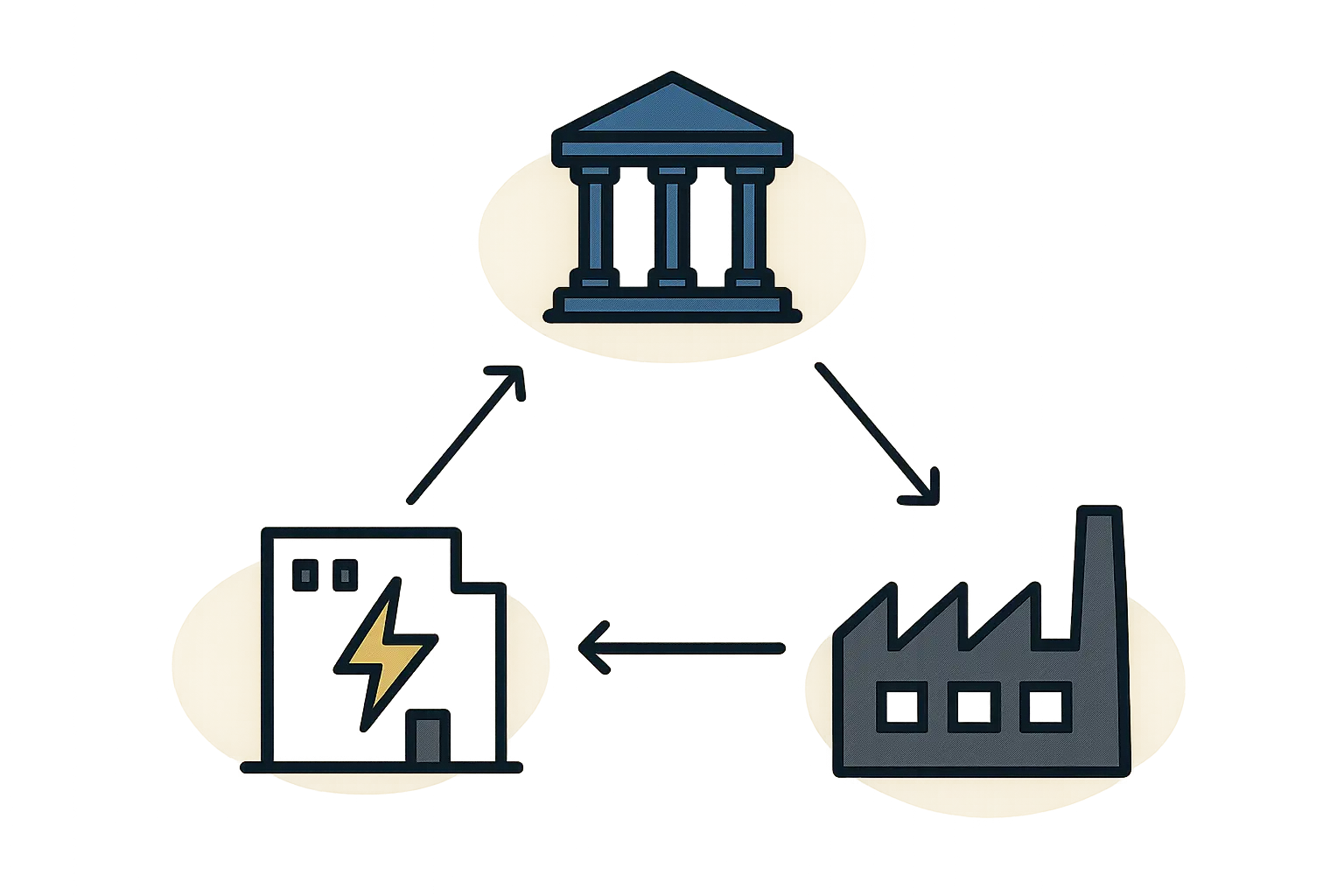
Business and Industrial Licensing Acts: This is basic. You need to register your company and get the right permits to run any industrial site.
Environmental Protection and Management Act: Manufacturing involves waste, emissions, and potentially hazardous chemicals. This law covers everything from how you handle scrap to what you send up the chimney or down the drain.
Customs and Excise Laws: Mess this up, and your costs will skyrocket. These laws determine what it will cost to bring in equipment and materials—and what hoops you’ll jump through to ship your panels out.
How to Actually Get Your Plant Permitted and Open
Let’s not beat around the bush—getting set up is paperwork-heavy. But if you want to build solar panels here, this is what you’re looking at.
Step 1: Register Your Business
No one will let you build anything until you’re officially a company. The usual steps apply:
Pick a structure—sole trader, limited company, whatever fits your plan.
Register your business name and get your Certificate of Incorporation.
Sign up with tax and social security—they’ll find you anyway, so it’s better to do it upfront.
(Pro tip: Reach out to the Antigua and Barbuda Investment Authority (ABIA) first. They exist to point you in the right direction and help cut through some of the red tape.)
Step 2: Get Your Operational Permits
Now you need licenses to actually build and run a factory:
Industrial/Factory Permit: The basic approval to operate.
Land Use and Building Permits: Whether you’re building new or renovating an old place, you’ll need proof you’re allowed to use the land and that your building isn’t a fire hazard or worse.
Step 3: Environmental Approvals—Don’t Skip This
If you’re making anything—especially with chemicals—environmental approval is a must.
What’s required? Almost certainly a full Environmental Impact Assessment (EIA). This study goes deep, covering the waste you’ll generate, how you’ll handle it, the risks you pose to water and air, and your plans to keep those risks in check. You submit this whole package to the Environment Division, which will review it and either say yes, no, or “fix this and try again.”
Expect these questions:
- Where are you sourcing raw materials, and how are you handling them?
- How much water will you use? Where does it go afterward?
- Do you have controls for air emissions?
- How will you safely dispose of broken parts or toxic waste?
Technical and Quality Standards: Not Optional If You Want to Compete
Long-term, your factory will only succeed if the panels you produce are solid. It doesn’t matter if you can sell them locally—export markets will eventually demand international benchmarks. Here’s what matters:
National and International Standards: You’ll want your products to meet IEC 61215 (design) and IEC 61730 (safety) standards. If you dream of selling into the US, UL certification is a must. Adopting ISO 9001 for overall quality management is also a good way to keep your entire process sharp.
Certification: It’s not enough to say your panels are good. They need to be independently tested by accredited third parties.
Quality Control: Don’t skimp here. Quality control means inspecting every shipment of materials, every stage of production, and every finished panel. That’s how you avoid recalls, lawsuits, and killing your business before it even gets started.
Building Code: Yes, this applies to the factory itself. It must be built and maintained to the proper code, focusing on safety, fire risk, and overall durability.
Getting Stuff In—and Shipping Stuff Out
Mess up your supply chain and you’ll lose your shirt. Here’s the lay of the land.
Importing Raw Materials and Machines
Antigua and Barbuda offers one of the best incentives around: you may get import duties and taxes slashed—or waived entirely—on renewable energy equipment and machinery. If you play your cards right, this waiver could apply to your raw materials, machines, and components. That’s a huge advantage.
For everything not covered by the waiver, the usual tariff schedule applies. Double-check every material and machine’s HS code with Customs—they have the final say on what qualifies.
Don’t assume anything is exempt. Book a meeting with the Ministry of Finance and Customs, bring a list of everything you plan to import, and get their official ruling on eligibility. Jumping through their hoops at the start saves painful surprises later.
Paperwork? You’ll need all the standard customs documents, waiver or not. Get good at this—the port is no place for rookie mistakes.
Exporting Your Panels
For exports, Antigua and Barbuda makes it easy, requiring minimal extra steps beyond standard export paperwork. The bigger payoff: as a local manufacturer, you get access to CARICOM trade benefits. That opens a big door to regional markets, and potentially beyond if you play it right.
Environmental Compliance—Because It’s the Right Thing (and You’ll Get Fined If You Skip It)
Solar panel manufacturing produces waste—chemicals, glass dust, broken pieces, and packaging. Regulators expect you to have a solid plan:
Waste Management: Where does everything end up? Chemical waste, dust, and scrap glass all need clear disposal routes.
Pollution Control: Handle air emissions, treat wastewater, and don’t let chemicals seep into the ground. If you don’t, you’ll fail inspections or worse.
Hazardous Materials: Follow proper storage, handling, and record-keeping protocols for anything dangerous.
Regular Reporting: Expect to conduct periodic monitoring and send updates to the Environment Division. This is not optional.
Investment Climate and What You Get for Showing Up
The government is hungry for investment in renewables. On top of those duty waivers, you might be eligible for:
Tax Holidays: You could get a break from corporate income tax, especially if you’re creating jobs.
Special Economic Zones: Some areas might offer more incentives, fewer regulations, or both.
Support: The ABIA should be your first stop—ask them for a rundown of available incentives.
All of this is backed by Antigua and Barbuda’s official energy policy. They want you here as much as you want to be here.

Staying Compliant—The Part Most Newcomers Underestimate
Permits aren’t “set and forget.” Regulations can shift, audits happen, and a ministry official might just drop by. Here’s the best way to stay out of trouble:
Know your contacts at the main agencies: the Ministry of Energy, Environment Division, Customs, and the Labour Department.
Run self-audits. Catch problems before someone else does.
Document everything. If you’re ever reviewed, good records are your only real protection.
Don’t get cute—regulators have the power to fine you or shut you down. Always over-prepare.
Wrap-Up: Is Solar Manufacturing in Antigua and Barbuda Worth It?
The opportunity is real, and it’s big. The government has real skin in the game, and the incentives are some of the strongest you’ll find in the region.
If you’re ready to handle the regulatory side and commit to building a quality product from the start, the odds are in your favor. Do your homework, get the standards right, and let the support programs work for you. You won’t just be building a business—you’ll be helping the country move forward.
Feeling stuck or lost is normal. We’re here to help cut through the nonsense so you can get started, not just read about it.
Still got a question? Drop it below. No question is too basic.
FAQs
Is there one law that covers everything for solar manufacturing?
Short answer: No. You’ll be working under the Renewable Energy Act, plus all the usual business and environmental laws. Nothing is in one neat package, so be ready to dig into each one.
What licenses do I need?
You need to officially register your company, get a business license, and apply for an industrial/factory permit. Don’t forget environmental permits, which almost always require a deep dive with an EIA.
Are there real import duty breaks?
Yes, and they’re significant. Waivers on duties and some taxes for renewable energy equipment, machinery, and key components can cut costs substantially. Always confirm your list with Customs before banking on it.
Who checks on my environmental compliance?
The Environment Division. They issue and review your EIA, hand out permits, and inspect your operation. They’re the regulators you’ll interact with the most on this front.
Are international standards like IEC or UL required?
Not always required by law, but if you want people to trust your panels or export them, you’ll need to meet standards like IEC 61215, 61730, and likely UL for the North American market. These standards are about more than compliance—they’re your path to a real, competitive business.
Resources
These agencies and docs will save you time:
- Antigua and Barbuda Investment Authority (ABIA): For help with registration and incentives.
- Ministry of Public Utilities, Civil Aviation, Transport and Energy: For anything about the Renewable Energy Act or national energy plans.
- Environment Division: For environmental permits, EIAs, and compliance.
- Customs and Excise Division: They decide on import/export procedures and eligibility for waivers.
Key Documents
- Renewable Energy Act, 2015
- National Energy Policy Antigua and Barbuda
- Information on Waiver of Import Duty on RE and EE equipment
- Antigua and Barbuda Distributed Energy Resources Deployment Roadmap (NREL)
Disclaimer: This guide is meant to get you oriented, not to replace a lawyer or official advice. Rules change, and your situation might have its own wrinkles—so check with professionals and the proper agencies before you make any big moves.