Government Unveils Framework for Sweden nuclear power: Remarkable 10-Year Investment Plan
In a decisive move to secure its long-term energy supply and meet ambitious climate targets, the Swedish government has announced a landmark investment plan for new nuclear power. The 2026 budget proposal, unveiled on September 19, 2025, allocates up to SEK 220 billion (€19.9 billion) in financial support over 12 years, signaling a strategic pivot towards nuclear as a cornerstone of the nation’s energy mix.
A Detailed Roadmap for Sweden nuclear power: Remarkable 10-Year Investment Plan
The comprehensive framework is designed to facilitate the construction of up to 5,000 MW of new nuclear capacity, equivalent to four or five large-scale reactors. To de-risk these massive, long-term projects, the government is offering a robust support system that includes state-backed loans and long-term price guarantees. These guarantees could provide between SEK 1-3 billion annually for up to 40 years once the new reactors are operational. This policy is built upon a state aid law that took effect on August 1, 2025, following broad parliamentary approval in May, indicating a strong cross-party consensus on the need for nuclear expansion.
The government aims to finalize the first contracts under this new framework between 2026 and 2027. The national roadmap targets adding 2,500 MW of nuclear capacity by 2035, with a long-term goal of building the equivalent of up to 10 new reactors by 2045. This ambitious plan addresses the projected rise in electricity demand from industrial electrification and the need for stable, predictable power pricing.
Pioneering Projects and Advanced Technologies for Sweden nuclear power: Remarkable 10-Year Investment Plan
Several key projects are already in motion. State-owned utility Vattenfall is advancing plans to build 1,500 MW of small modular reactors (SMRs) at the Ringhals site by 2035, with the potential to expand to 2,500 MW. The company is exploring advanced technologies from providers like GE Hitachi and Rolls-Royce. Concurrently, Videbergsholm Kraft has submitted an application for a new reactor on the Värö Peninsula, highlighting the growing industry momentum. The total investment required to achieve these goals is estimated to be around SEK 400 billion.
Balancing Nuclear with Renewables in Sweden nuclear power: Remarkable 10-Year Investment Plan
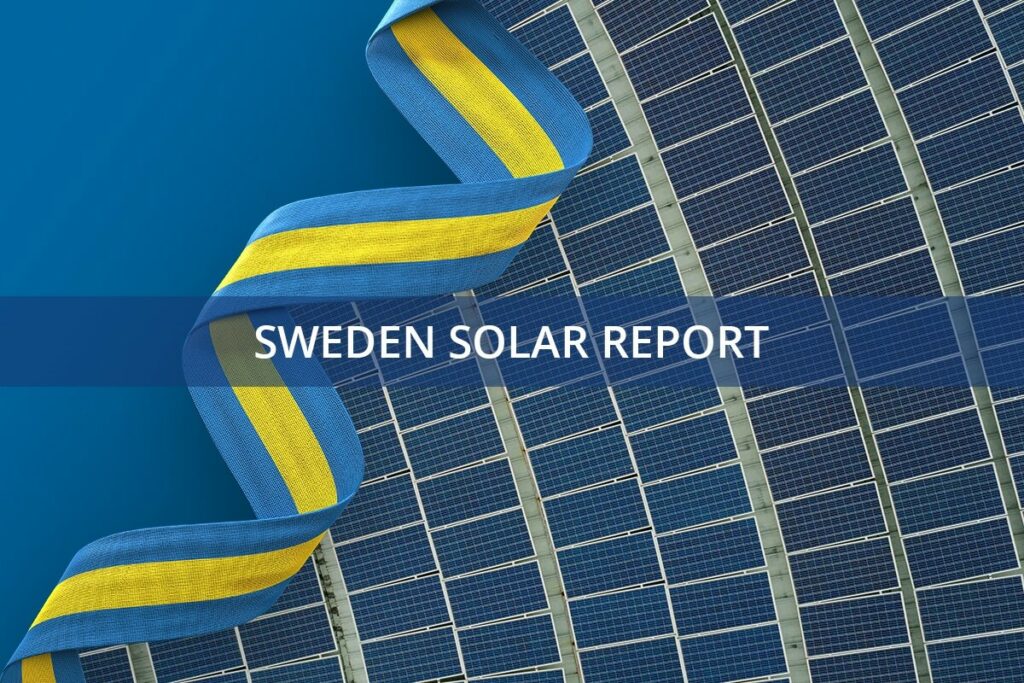
While this new strategy places a heavy emphasis on nuclear power, it does not erase the contributions of other renewables. Sweden has seen significant growth in solar energy, supported by government incentives. However, the intermittent nature of solar power, particularly during Sweden’s long winters, presents grid stability challenges. Technologies involved in Solar Panel Manufacturing continue to advance, but the reliability of nuclear power is now seen as essential for providing the baseload electricity needed to complement variable sources like wind and solar. This balanced approach aims to create a resilient, carbon-free energy system capable of meeting demand around the clock, year-round.
A Future Built on Energy Security with Sweden nuclear power: Remarkable 10-Year Investment Plan
Sweden’s remarkable investment plan represents a clear commitment to revitalizing its nuclear sector. By providing substantial financial incentives and a clear political mandate, the government is creating a stable environment for the development of a new generation of nuclear power plants. This strategic shift is positioned not only to help Sweden achieve its goal of zero net greenhouse gas emissions by 2045 but also to ensure a secure, affordable, and sustainable energy supply for decades to come.
Sources
- Report on the National Nuclear New-build Coordinator’s …
- Nuclear Power in Sweden
- Nuclear financing
- Long-term investments in nuclear power for Swedish …
- New nuclear power in Sweden? Finance sought
- Sweden’s new political unity to drive nuclear power …
- Sweden moves to expand nuclear
- Sweden Proposes €19.9 Billion Framework To Finance …
- Sweden proposes steps to facilitate new nuclear projects