Entrepreneurs considering a new solar panel manufacturing venture often look first to large industrial nations. Yet, a microstate like San Marino presents a unique and compelling case, particularly for a critical success factor: building a skilled and efficient workforce. The Republic’s distinctive position, nestled within Italy, creates a labor environment that merges local stability with the vast talent pool of a major European industrial region.
This guide explores the practical aspects of workforce development for a solar module factory in San Marino. It analyzes the local labor pool, the process of engaging cross-border commuters from Italy, and realistic labor cost comparisons to help business leaders make informed decisions.
Understanding the San Marino Labor Landscape
A nation with a population of around 34,000 might seem to have a limited labor pool at first glance. The reality, however, is more nuanced. The Sammarinese workforce is highly educated, often multilingual (with Italian and English being common), and has a strong industrial heritage.
The country’s economy is diversified across manufacturing, finance, and tourism, creating an existing base of technicians, engineers, and administrative professionals. For a new solar enterprise, this foundation is invaluable, reducing the initial training curve and providing a core team of local talent who understand the national business culture.
Key Characteristics of the Local Workforce:
- High Education Levels: A strong public education system and proximity to Italian universities result in a well-qualified talent pool.
- Industrial Experience: Decades of activity in sectors like mechanics, electronics, and ceramics means the skills relevant to solar module assembly are already present.
- Work Ethic: San Marino is known for its stable social environment and a workforce with a reputation for reliability and professionalism.
The Strategic Advantage of Cross-border Commuters (Frontalieri)
The most significant advantage of locating a factory in San Marino is its access to the Italian labor market. The country is surrounded by the Italian regions of Emilia-Romagna and Marche, both industrial powerhouses. Every day, thousands of Italian citizens, known as frontalieri, cross the border to work in San Marino.
This creates a unique ‘best of both worlds’ scenario. A business can establish its operations under San Marino’s favorable administrative and fiscal system while drawing from a labor pool of millions. This access is particularly beneficial for sourcing specialized technical roles that might not be immediately available within the Republic itself.
Special bilateral agreements between Italy and San Marino streamline the process of hiring these cross-border commuters. This established framework provides legal clarity and security for both employers and employees.

Navigating Labor Regulations and Permits
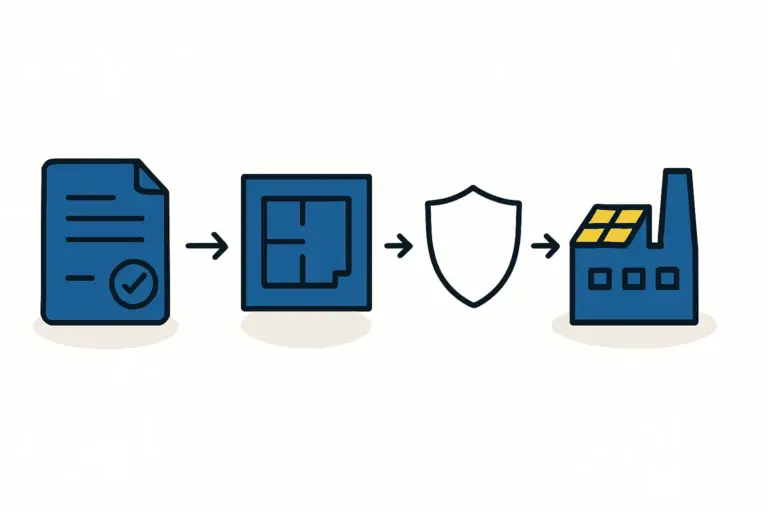
Understanding local labor laws is a crucial step for any entrepreneur entering a new jurisdiction. In San Marino, the process is structured and managed by the Ufficio del Lavoro (Labor Office). This government body is responsible for issuing work permits and overseeing compliance with labor regulations.
For citizens from outside the European Union or Italy, the process requires demonstrating that the required skills are not available locally. For Italian cross-border workers, however, the procedure is significantly more straightforward thanks to existing agreements.
Ready to make big Profits?
The solar Industry is Booming
WE HELP NEWCOMERS to the solar industry start their own solar module production line. Customers can make BIG PROFITS by selling modules and finding investors, without wasting money and time on things they don't need!
Based on experience from J.v.G. Technology GmbH turnkey projects in the region, engaging local legal and administrative counsel early is critical for success. While the regulatory environment is business-friendly, professional guidance ensures all requirements for your solar factory business plan are met efficiently, avoiding potential delays.
A Comparative Look at Labor Costs
Operational costs heavily influence investment decisions, and labor is a significant component. San Marino offers a competitive position when benchmarked against its neighbors.
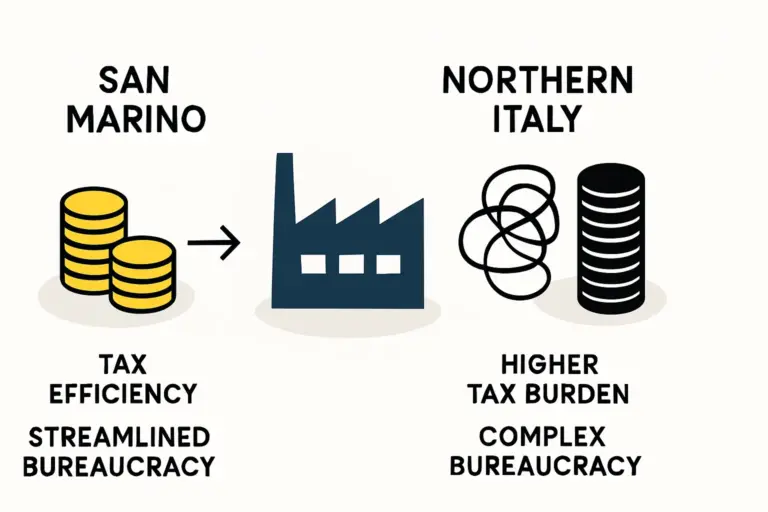
- Compared to Northern Italy: Labor costs, including salaries and social contributions, are generally more competitive in San Marino. This can provide a crucial financial advantage for a manufacturing startup.
- Compared to Eastern Europe: While costs in some Eastern European nations may be lower on paper, San Marino offers the benefits of proximity to Western European supply chains, a highly skilled workforce with advanced manufacturing experience, and logistical simplicity.
The true value lies in the balance of cost, skill, and productivity. For instance, a slightly higher wage for a highly skilled technician from the Italian ‘Motor Valley’ in Emilia-Romagna can yield greater efficiency and higher product quality than a lower wage in a region with less industrial heritage.
Training and Development: Building Your Expert Team
While the regional workforce is skilled, solar module manufacturing requires specific expertise. A typical 20–50 MW production line requires a team of 25 to 40 employees, including machine operators, quality control technicians, and maintenance engineers.
The government of San Marino actively encourages workforce development and offers incentives for companies that invest in training programs for local hires. Collaborations with the University of San Marino and regional technical institutes in Italy can also help develop tailored training curricula. This approach ensures a steady pipeline of talent familiar with the specific machinery and technology used in solar panel production.
J.v.G. clients have found success with a two-pronged strategy: hiring experienced team leaders from the broader region while developing junior local talent through structured, on-the-job training.

Frequently Asked Questions (FAQ)
Do employees in a San Marino factory need to speak Italian?
Yes, Italian is the official language and the primary language of business and daily life. While many professionals speak English, operational staff will almost exclusively communicate in Italian. For international entrepreneurs, a management team fluent in Italian is essential.
How long does it take to secure work permits for Italian commuters?
Thanks to the bilateral agreements, the process is relatively swift and well-defined. With proper documentation, permits for frontalieri can typically be processed within a few weeks. A local consultant can manage this process efficiently.
What are the typical working hours and social contributions?
San Marino generally follows a standard European model, with a 40-hour work week. Social security contributions are mandatory for both the employer and the employee, covering pensions, healthcare, and other benefits. The rates are competitive within the European context.
Is it difficult to find technicians with industrial automation experience?
No. The surrounding Italian regions, particularly Emilia-Romagna, are globally recognized for their leadership in industrial automation, robotics, and precision mechanics. This creates an exceptional talent pool for sourcing experienced technicians who can quickly adapt to the automated processes of a modern solar module assembly line.
Conclusion: Your Next Steps in Workforce Planning
For international entrepreneurs, San Marino offers a powerful combination of advantages. It provides a stable, business-friendly environment with a competitive cost structure, complemented by direct access to one of Europe’s most skilled and dynamic industrial workforces.
Proper workforce planning is not just an operational task; it is a cornerstone of your factory’s long-term success. Understanding local regulations, leveraging the cross-border talent pool, and investing in training are critical steps. With a clear strategy, you can build a world-class team in the heart of Europe.
Further educational resources on the pvknowhow.com platform offer structured guidance for developing a comprehensive business plan that integrates workforce strategy with financial and technical planning.