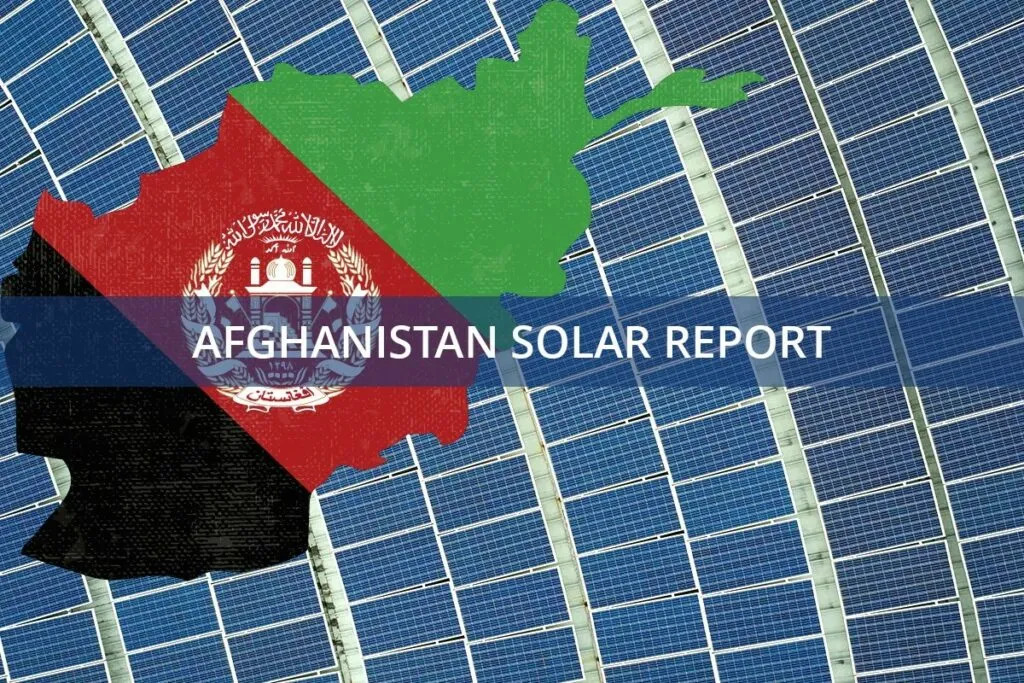
In a significant step towards sustainable development amidst a challenging humanitarian landscape, the United Nations Development Programme (UNDP) has installed a solar plant in Afghanistan’s Daykundi province. This initiative provides vital clean energy to families and clinics that have long been cut off from the national grid. The project is a cornerstone of the Renewable Energy for Rural Livelihoods (RERL) initiative, which aims to improve energy access and bolster critical healthcare facilities in the nation’s most remote regions.
Funded by the Government of Japan as part of the broader ABADEI program, this solar installation is more than just infrastructure; it’s a lifeline designed to enhance public services, support local economies, and empower communities.
A Lifeline for Healthcare and Homes with Afghanistan solar power
The immediate impact of this project is profound, particularly in the healthcare sector. Across Afghanistan, 334 healthcare centers have been equipped with solar power systems. This ensures that frequent blackouts and fuel shortages no longer compromise the operation of life-saving medical equipment, allowing for consistent and reliable patient care.
Beyond the clinics, the initiative is transforming daily life for some of the country’s most vulnerable people. Approximately 2,000 impoverished families have received solar energy kits. These kits are crucial for providing essential lighting, powering security equipment, and enabling connections to telecommunication networks, significantly improving living conditions and safety. This effort showcases the potential of solar power to deliver clean and sustainable energy to communities in dire need.
Powering Economic Resilience and Empowerment through Afghanistan solar power
The UNDP’s initiative extends beyond basic needs, playing a crucial role in fostering economic stability. By providing reliable power, the project supports small businesses and empowers local entrepreneurs, particularly women. For instance, women like Maryam Rasouli and Masouda Osmani have been able to expand their enterprises, creating much-needed employment opportunities and driving economic growth within their communities.
Furthermore, the widespread adoption of solar panels helps reduce carbon emissions and cuts energy costs. This shift contributes to a cleaner environment and allows precious resources to be redirected toward rebuilding efforts and other essential public services.
A Bright Spot in a Broader National Strategy for Afghanistan solar power
This project in Daykundi is a key component of a much larger national vision for renewable energy in Afghanistan. The country holds an incredible potential for solar energy production, estimated to exceed 220 GW. Recognizing this, the government has set ambitious goals to develop 2,000 MW of solar power by 2032.
This UNDP project complements other significant efforts, including the essential 40 MW project in Balkh Province and various other signed solar projects aimed at boosting the country’s energy independence. While these initiatives currently rely on imported technology, building a self-sufficient solar industry is a logical next step. This would require mastering the basics of solar panel manufacturing and understanding the full solar panel manufacturing process, from sourcing solar panel raw materials to operating sophisticated solar panel manufacturing machines. A thorough analysis of the solar panel manufacturing plant cost breakdown would be foundational to such an endeavor.
Despite the ongoing political and social challenges, this solar project shines as a beacon of hope. It directly addresses critical energy needs while symbolizing a resilient push towards sustainable development. Its long-term success will depend on continued international support, but its immediate impact on the lives of thousands of Afghans is undeniable.
To learn more about the intricacies of bringing solar power to life, from production to installation, consider exploring our free e-course on solar panel manufacturing.