
Reviewed October 2026.
Quick answer: a solar panel’s nameplate power is measured under standard test conditions. Real energy output depends on irradiance, cell temperature, orientation, shading, inverter behavior, wiring, soiling, and system losses. Use watts to compare instantaneous power and kilowatt hours to estimate energy over time.
How to estimate solar panel output without mixing power and energy
Start with the module’s rated DC power from its current datasheet. Then use local solar resource data and a system model. A simple screening formula is:
Daily energy estimate = module power in kW × peak sun hours × system factor.
The system factor accounts for losses that a nameplate rating does not show. For a project decision, do not invent one universal factor. Model the actual module, inverter, mounting, temperature, shading, and location. NREL’s PVWatts Version 8 documentation explains the current model inputs, including weather data, module type, inverter, thermal effects, albedo, and losses. The National Solar Radiation Database explains typical meteorological year data used for long term estimates.
What the nameplate rating does and does not tell you
- It tells you: DC power under defined laboratory conditions.
- It does not tell you: annual energy at a specific site, AC output after the inverter, production during heat or shade, or degradation over the system life.
- For a factory: nameplate output is also a quality control target. Flash testing, electrical safety testing, and traceable production data are needed to confirm that finished modules meet their declared specifications.
For related reading, compare solar efficiency and energy output, then review sun simulator testing in module production.
The amount of electricity a solar panel generates depends on several factors, including the size of the panel, the efficiency of the PV cells, and the amount of sunlight it receives. Module power ratings vary by product type, dimensions, cell technology, and market segment. Use the current manufacturer datasheet for the exact module instead of relying on a fixed market wide wattage range.
Important Factors About Solar Panel Output
Solar panels generate DC electricity, which must be converted to alternating current (AC) to be used in your home or business. This conversion is handled by an inverter, allowing you to power your appliances and electronics.
If you’re considering installing solar panels, it’s important to work with a qualified installer. They can help you determine the right panel size and placement for your specific location and energy needs. This step ensures you maximize the output of your solar panels and enjoy the benefits of clean, renewable energy for years to come.
Beyond the output of individual solar panels, it’s also crucial to consider the overall production of a complete solar panel system. This is determined by the number of panels installed, their orientation, and their placement. A qualified solar installer can help you design a system that maximizes your energy output while taking into account factors like roof orientation, shading, and available space.
Key Takeaways About Solar Panel Output
Solar panel output can vary based on several factors, including shading, orientation, and local sun hours. Solar panel output varies with module design and site conditions. Compare current datasheets for power, dimensions, efficiency, temperature coefficients, and warranty terms, then model the actual location.
Individual energy consumption, location, system size, and panel efficiency all significantly impact generation. A solar professional can help you determine the appropriate system size to meet your specific needs and ensure you have realistic expectations for your potential electricity generation.
It also helps to understand a few key terms. The first is wattage, which refers to the amount of power a panel generates. This is typically measured in watts (W) or kilowatts (kW). The wattage of a solar panel is directly proportional to its size and efficiency.
How To Calculate How Much Energy A Solar Panel Produces
Calculating a solar panel’s energy production begins with its power output rating. Solar panels are rated based on the amount of DC (direct current) power they produce under standard test conditions. This output is expressed in watts (W), representing the panel’s theoretical power production under ideal sunlight and temperature conditions.
Current home and commercial modules span different formats and power classes. Use the selected module’s datasheet and model the complete system rather than assuming one residential wattage range. The total wattage of your solar panel system will significantly impact the overall cost, which is typically measured in dollars per watt ($/W).
To calculate a panel’s energy production in your specific location, you’ll need to consider factors like the number of direct sunlight hours per day and the wattage of your solar panel. For example, in a sunny state like California with five hours of direct sunlight per day, a 290-watt panel can be expected to generate roughly 1.5 kilowatt-hours (kWh) of energy per day.
To estimate the production of your entire system, multiply the energy output of one panel by the number of panels in your array. Understanding this calculation helps you determine the optimal system size and placement to meet your energy needs.
What Factors Determine Solar Panel Output?
To accurately calculate the energy production of a solar panel, it’s essential to understand the two primary factors that determine its power output: cell efficiency and panel size.
Cell efficiency refers to how well the solar cells within a panel convert sunlight into electricity. Higher efficiency means more sunlight is converted into usable power, resulting in a greater overall output. Factors that affect cell efficiency include the quality of the materials used, the design of the cells, and the manufacturing process.
The size of the solar panel also plays a critical role in determining its power output. The larger the panel, the more solar cells it can accommodate, resulting in a higher potential output. However, larger panels may also be more expensive and require more space for installation.
Other factors can impact solar panel output, including shading, orientation, and temperature. Shading can reduce the sunlight reaching the panel, while improper orientation can limit how much light it absorbs. High temperatures can also affect panel output, as solar cells operate less efficiently in the heat.
By understanding these key factors, you can make informed decisions when selecting and installing solar panels for your home.
Solar Panel Efficiency
Efficiency is one of the most critical metrics to consider when shopping for solar panels, as it determines how much power a panel can produce. Compare module efficiency using current certified datasheets. Efficiency is one input, not a substitute for energy yield, cost, dimensions, temperature behavior, or suitability for the site.
Laboratory cell records are not interchangeable with commercial module efficiency or annual field energy. Use laboratory results only for research context and current module datasheets for purchasing or project design.
Number Of Solar Cells And Solar Panel Size
In addition to efficiency, the number of solar cells and the size of the panel play a significant role in determining its power output. Module formats continue to change, so physical dimensions and electrical characteristics are more reliable selection criteria than legacy cell count labels.
While there can be variations within each category, 60-cell panels are generally smaller and have a lower wattage (around 270-300 watts) compared to 72-cell panels (around 350-400 watts).
Although 72-cell panels are often used for large-scale commercial projects due to their higher output, they are also suitable for residential applications with enough roof space and high electricity demands. Likewise, 60-cell panels can be used in some commercial settings, depending on the project’s needs.
Half-cut cell technology is also becoming increasingly popular in both 60-cell and 72-cell panels, offering advantages like improved shade tolerance and reduced power loss.
Understanding the importance of efficiency, the number of solar cells, and panel size will help you make an informed decision when choosing the right solar panel for your energy needs.
Environmental Factors: Shading, Orientation, And Hours Of Sunlight
While panel efficiency and cell count are key factors in a solar panel’s rated power, several environmental factors determine the actual amount of energy it can produce.
Shading is a significant factor that can lower a panel’s production, as the wattage rating does not account for the impact of shade.
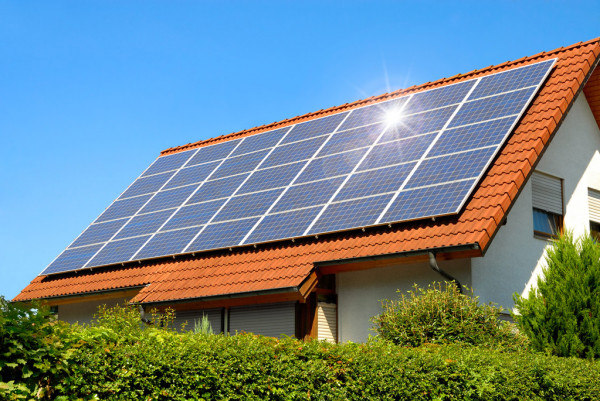
Similarly, the orientation of panels affects output in ways not captured by the rating. Ideally, panels should be angled directly toward the sun, but in reality, roof planes rarely provide the perfect angle for maximum production.
The hours of sunlight your panels receive each day (or year) also impact the amount of energy produced. Simply put, more sun exposure translates to higher actual output.
What Can You Power With A Single Solar Panel?
While a single solar panel can produce around 1.5 kWh of energy per day, its ability to power your home depends on your property’s energy consumption. A single panel can power small appliances, lighting, and electronic devices, but larger appliances such as air conditioning units or electric stoves require much more energy.
A single solar panel can typically power small appliances like:
1. LED lights
2. Small fans
3. Chargers for mobile devices
4. Small refrigerators
The exact number of appliances a single panel can power will depend on several factors, including the wattage of the panel, the efficiency of the appliances, and the amount of sunlight the panel receives.
If you want to power larger appliances or your entire home, you will need a solar panel system designed to meet your specific energy needs and budget. A qualified installer can help you design a system that meets these requirements.
In addition to reducing your reliance on grid power and saving money on your energy bills, installing solar panels can also increase the value of your home. A study by the U.S. Department of Energy’s Lawrence Berkeley National Laboratory suggests that homes with solar panels may sell for an average of $15,000 more than comparable homes without them.
However, the actual impact varies significantly depending on location, market conditions, and the specific features of the home and solar system. While solar panels can potentially increase a home’s value, factors like long-term electricity cost savings also contribute to the overall value proposition. Consulting with a real estate professional familiar with your local market can provide valuable insights into the potential impact of solar panels on your specific property.