Solar Facility in Surobi District Generates 22.75 MW
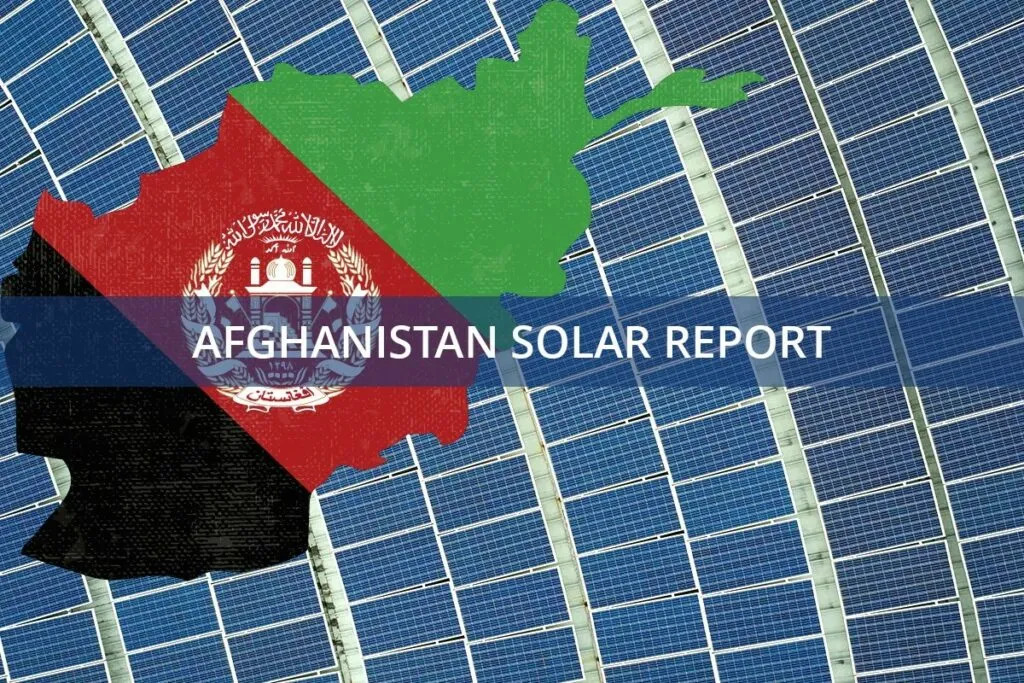
In a significant stride towards harnessing renewable energy, a solar power facility in the Surobi district of Afghanistan is now generating approximately 22.75 MW of clean electricity. This development marks a crucial step in the nation’s journey to address persistent electricity shortages and build a more self-sufficient energy infrastructure.
A Powerful Impact of Afghan solar power on the Local Community
Operational for the past year, the Surobi solar plant is a tangible example of progress. Developed by a private company, the facility utilizes an impressive array of 32,400 solar panels to capture the region’s abundant sunlight. The clean energy produced is substantial enough to power between 15,000 and 18,000 households, bringing reliable electricity to a significant portion of the local population.
This project not only provides essential power but also serves as a powerful demonstration of Afghanistan’s renewable energy potential. As noted by electrical engineer Ali Reza Yosufi, the country’s numerous sunny days make solar projects an ideal solution for tackling its energy deficit.
Tapping into a Vast National Resource of Afghan solar power
The Surobi facility is a key part of a much larger vision for Afghanistan’s energy future. The country has an estimated solar power potential of up to 222,000 MW, a staggering figure that dwarfs its current managed capacity of about 750 MW, most of which is imported.
To bridge this gap and move towards energy independence, the national power utility, Da Afghanistan Breshna Sherkat (DABS), has launched a major initiative. The utility is advancing work on 15 distinct solar power generation projects. Together, these projects are slated to add a combined capacity of 721 MW to the national grid.
This strategic push is essential for meeting the country’s long-term goals. Experts estimate that Afghanistan requires around 4,000 MW to achieve national energy self-sufficiency. While the road ahead is long, projects like the one in Surobi are laying the critical groundwork for a brighter and more sustainable future, powered by the nation’s own natural resources.