Egypt Issues 500 MW Solar Tender in West Nile Region Under BOO Model
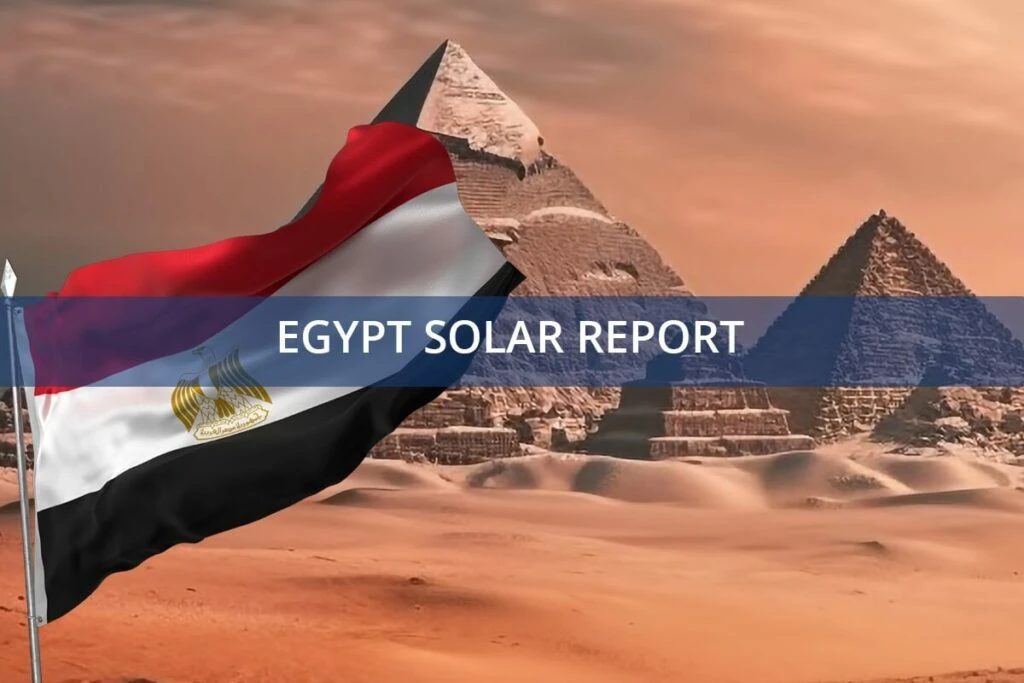
In a significant move to bolster its renewable energy infrastructure, Egypt has launched a tender for a 500-megawatt (MW) solar photovoltaic (PV) project. The large-scale development is planned for the West Nile region and will be executed under a Build-Own-Operate (BOO) model, signaling a strong invitation for private sector investment.
The announcement, which emerged in late February 2026, marks another major step in Egypt’s strategy to diversify its energy mix and leverage its abundant solar resources.
The Build-Own-Operate (BOO) Framework for the Egypt solar tender
A key feature of this tender is its reliance on the BOO model. This framework is particularly attractive to international and domestic investors as it allows the successful private developer to finance, build, own, and operate the solar facility for the duration of the agreement.
Under this structure, the developer will recover its investment and earn profits by selling the generated electricity to the national grid, typically through a long-term Power Purchase Agreement (PPA). Unlike other public-private partnership models, the asset is not transferred to the government at the end of the contract term. This model minimizes the upfront capital expenditure for the state while harnessing the efficiency, technology, and capital of the private sector.
Ready to make big Profits?
The solar Industry is Booming
WE HELP NEWCOMERS to the solar industry start their own solar module production line. Customers can make BIG PROFITS by selling modules and finding investors, without wasting money and time on things they don't need!
Strategic Push for Renewable Energy with the Egypt solar tender
This 500 MW project is a substantial addition to Egypt’s growing portfolio of clean energy initiatives. The West Nile region is a strategic choice, known for its high solar irradiance levels, making it an ideal location for maximizing solar power generation.
The tender aligns with Egypt’s ambitious Integrated Sustainable Energy Strategy (ISES) to 2035, which aims to increase the share of renewable energy in the country’s power generation mix. By promoting large-scale solar projects, Egypt is not only working towards its climate goals but also enhancing its energy security and creating economic opportunities.
While the initial announcement has captured the attention of the industry, further details regarding the specific issuing authority, bid submission deadlines, and technical requirements are expected to be released in the near future. Developers and investors will be closely monitoring for the official request for qualification (RFQ) and request for proposal (RFP) documents to get a complete picture of this landmark project.