AfDB Backs Expansion of Mozambique solar project in Cahora Bassa
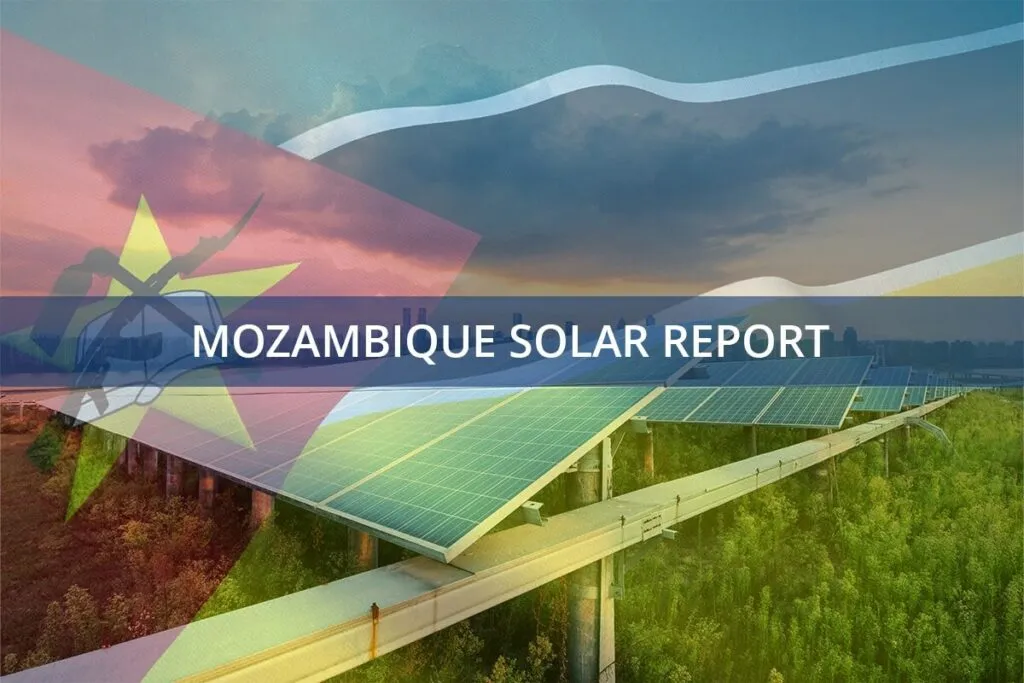
Mozambique is taking a monumental step towards a sustainable energy future with the launch of a major solar photovoltaic (PV) project in the Cahora Bassa region. Backed by a significant funding package from the African Development Bank (AfDB), this initiative is set to diversify the nation’s energy mix, reduce its heavy reliance on hydropower, and bolster its position as a key energy player in Southern Africa.
Project at a Glance: Solar Power Meets Hydropower
Strategically located in the Tete Province near the iconic Cahora Bassa Hydroelectric Dam, the new project will add a 100 MW solar PV plant to the nation’s grid, with the potential for future expansion to 200 MW. This isn’t just about adding capacity; it’s about creating a more resilient and modern energy system. The project will incorporate Battery Energy Storage Systems (BESS) to ensure grid stability and provide a consistent power supply, even when the sun isn’t shining.
The state utility, Electricidade de Moçambique (EDM), is leading the development in partnership with international firms. The project is on a clear timeline, with construction slated to begin in the third quarter of 2026 and full operations expected by the end of 2028.
The Financial Backbone of a Green Transition
A project of this scale requires robust financial support. The African Development Bank is the lead financier, committing approximately $100 million in concessional loans and grants through its Sustainable Energy Fund for Africa (SEFA). This investment is a core component of the AfDB’s wider $50 billion climate strategy for the continent.
The total project cost of around $150 million is further supported by contributions from the Green Climate Fund, the World Bank, the European Union, and Mozambique’s national budget. This strong coalition of backers underscores the international confidence in Mozambique’s renewable energy ambitions. Official confirmations from both the AfDB and Mozambique’s Ministry of Mineral Resources and Energy (MIREME) have solidified the project’s foundation.
Strategic Importance for Mozambique and the Region
This solar plant is more than just an infrastructure project; it’s a strategic move to secure Mozambique’s energy independence and economic future. Currently, the country’s grid is about 80% dependent on hydropower, leaving it vulnerable to climate-related challenges like droughts, which have previously impacted output from the Cahora Bassa dam.
By diversifying its energy sources, Mozambique is hedging against these risks. The project is a cornerstone of the country’s Integrated Energy Plan, which aims to install 1,500 MW of renewable energy and achieve a 25% renewable share in its energy mix by 2030.
Furthermore, the initiative enhances Mozambique’s role within the Southern African Power Pool (SAPP), enabling the export of clean energy to neighboring countries like Zimbabwe, South Africa, and Malawi. This positions Mozambique as a future hub for renewable energy in the region, leveraging its excellent solar potential, which averages around 2,200 kWh/m² per year.
Tangible Impacts: Powering Progress
The benefits of the Cahora Bassa solar project will be felt across the country. Key impacts include:
- Increased Energy Access: The additional 100 MW of capacity will power approximately 200,000 households and support industrial growth, including vital mining operations in the Tete province.
- Job Creation: The project is expected to create 1,500 jobs during its construction phase and around 200 permanent positions once operational.
- Climate Action: By displacing fossil fuel-based power, the plant will prevent an estimated 150,000 tons of CO₂ emissions annually, contributing significantly to Mozambique’s commitments under the Paris Agreement.
- Economic Growth: Increased energy exports will boost the national GDP and strengthen regional trade relationships.
While challenges such as necessary grid upgrades and land acquisition exist, they are being proactively managed under the AfDB’s comprehensive environmental and social safeguards.
As Mozambique’s largest solar initiative to date, the Cahora Bassa project marks a new chapter in the nation’s energy story—one that is brighter, cleaner, and more resilient for generations to come. For the latest information on this and other projects, you can refer to updates from the African Development Bank’s projects portal and Mozambique’s MIREME.