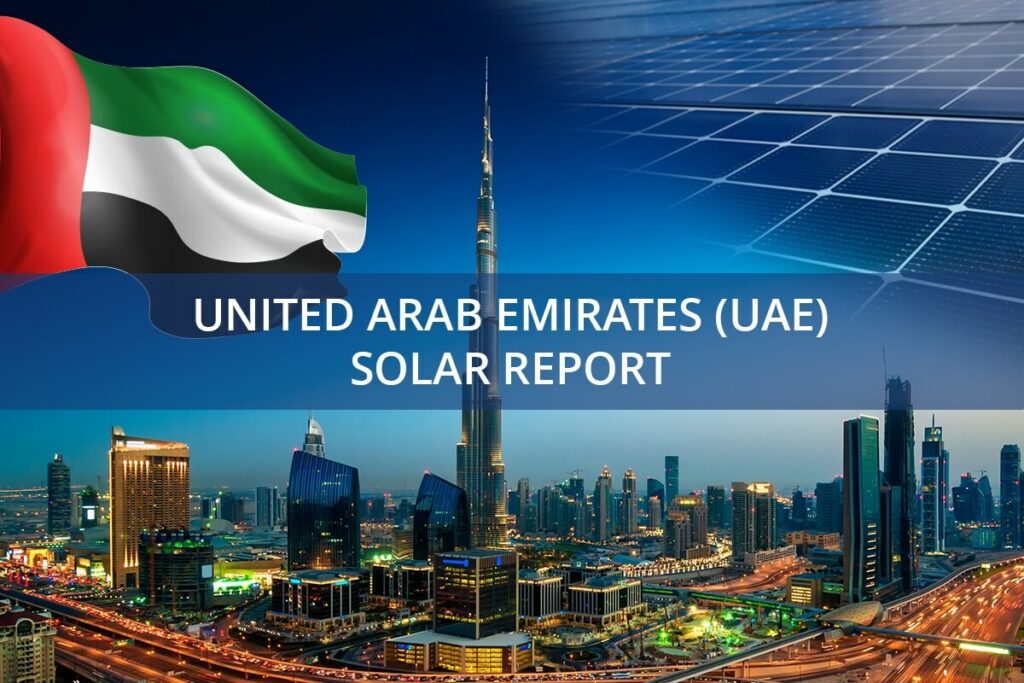
In a decisive step towards bolstering its clean energy credentials, Abu Dhabi has broadened its landmark Solar (Photovoltaic) Energy Self-Supply Policy to include the residential sector. The Abu Dhabi Department of Energy (DoE), which first launched the policy in late 2024, has now activated Phase II, empowering owners of villas and other residential properties to generate and consume their own solar power.
This expansion is a key component of the emirate’s strategy to promote distributed energy resources, turning homeowners into active participants in the transition to a sustainable future.
A Strategic Move for Abu Dhabi’s Solar Self-Supply Policy
At its heart, the policy is designed to encourage self-consumption through distributed PV installations, more commonly known as rooftop solar. Critically, it also supports the integration of battery energy storage systems (BESS), allowing residents to store excess energy for later use. According to the DoE’s framework, this initiative directly contributes to enhancing grid efficiency, reducing carbon emissions, and accelerating the adoption of clean energy across the emirate. The policy is strategically aligned with wider governmental roadmaps, including the Abu Dhabi Energy and Water Efficiency Strategy 2030 and the Climate Change Strategy.
From Farms to Front Doors: Policy’s Phased Rollout in Abu Dhabi
The swift progression to Phase II underscores the emirate’s determined pace. This residential expansion was announced just two months after the successful implementation of Phase I, which focused on the agricultural sector, including rest houses and ranches. To facilitate widespread adoption among homeowners, authorities have focused on removing potential barriers. Key support measures include simplifying regulations to cut red tape, standardizing technical requirements to ensure safety and quality, and streamlining the grid connection process for new solar installations.
Empowering Consumers, Strengthening the System with Solar Policy
By bringing solar power generation to the household level, Abu Dhabi is fostering a more resilient and flexible energy system. Abdulaziz Mohammed Al Obaidli, DoE Director General of Regulatory Affairs, highlighted the significance of this phase, stating it represents “a significant step in advancing the policy’s implementation, integrating the residential sector to enhance energy consumption efficiency and support the integration of the power system.” This move effectively transforms consumers into ‘prosumers’—producing the energy they consume and contributing to a more robust and cleaner grid for the entire community.
Sources
- UAE – Policies & action | Climate Action Tracker
- Abu Dhabi launches solar self-supply policy to boost clean energy use
- Accelerating Solar Power Deployment in the Arab Gulf States
- Abu Dhabi Launches Self-Supply Solar Policy To Boost Distributed PV
- The Cheapest Power on Earth Has a Desert Address and a Growing …
- DoE Launches Phase Two Of Solar Energy Self-Supply Policy …
- Abu Dhabi DoE Expands Solar Policy to Homes
- UAE Energy Diversification