Central America’s Solar Divide: Guatemala Accelerates
Central America, a region blessed with abundant sunshine, stands at a critical juncture in the global transition to renewable energy. The potential for solar power to drive economic growth, improve energy security, and combat climate change is immense. However, a closer look reveals a landscape of uneven progress. As of early 2026, a distinct “solar divide” is emerging, with some nations surging ahead while others grapple with fundamental barriers. Nowhere is this contrast more apparent than in the divergent paths of Guatemala and Honduras.
Guatemala’s Surge in Central America solar
Guatemala is rapidly positioning itself as a regional leader in solar energy development. The country is accelerating its adoption of solar power, driven by a combination of factors that create a fertile environment for investment and growth. While specific project details remain closely watched, the momentum is clear. This progress is not accidental; it is built on a foundation of supportive conditions.
The key drivers behind Guatemala’s success appear to be a confluence of favorable regulatory frameworks, manageable perceived country risk, and adequate technical grid conditions. This trifecta creates a positive feedback loop: clear and stable regulations attract investors, who in turn fund projects that the national grid has the capacity to absorb. The result is a market that is not just growing, but accelerating, setting a powerful example for its neighbors.
Honduras Hits the Brakes: The Challenge of Grid Limits
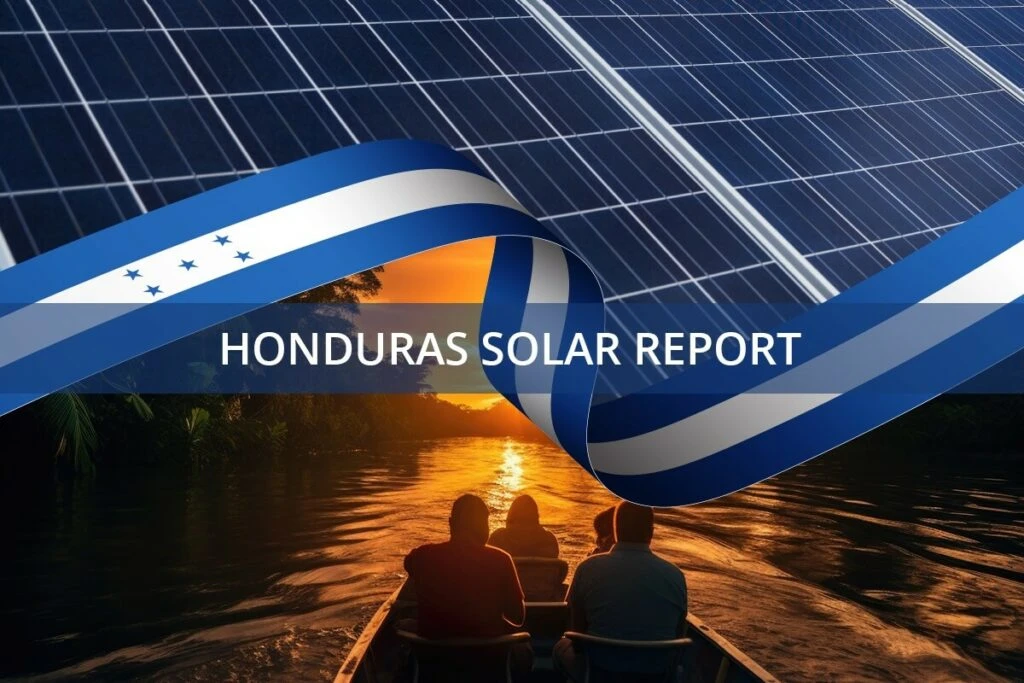
In stark contrast, Honduras is facing significant headwinds in its solar journey. The primary obstacle stalling its progress is a critical one: the country’s power grid has hit its limits. This means that even with available investment and planned solar projects, the existing infrastructure lacks the capacity to integrate new, variable renewable energy sources without jeopardizing stability.
Ready to make big Profits?
The solar Industry is Booming
WE HELP NEWCOMERS to the solar industry start their own solar module production line. Customers can make BIG PROFITS by selling modules and finding investors, without wasting money and time on things they don't need!
This “grid ceiling” is a common but formidable challenge in the energy transition. A grid must be able to balance supply and demand in real-time. Large-scale solar farms, which generate power intermittently, place new stresses on legacy infrastructure. Without significant upgrades—including modernizing transmission lines, investing in energy storage solutions, and implementing sophisticated grid management systems—Honduras’s solar ambitions will remain constrained. This bottleneck effectively puts a cap on the country’s renewable potential, despite its sunny skies.
Understanding the Dividing Factors
The differing fortunes of Guatemala and Honduras highlight the three critical pillars that determine the success of solar energy expansion in any developing market:
- Technical Grid Conditions: A nation’s ability to physically connect and distribute solar power is paramount. Guatemala’s relative success suggests its grid, while not perfect, is currently more capable of handling new capacity. Honduras’s struggle underscores that without proactive grid modernization, renewable energy goals can be quickly derailed.
- Regulatory Frameworks: Investors need certainty. Clear, consistent, and attractive government policies—such as power purchase agreements (PPAs), tax incentives, and streamlined permitting processes—are essential to de-risk projects and attract the necessary capital. A supportive regulatory environment signals that a country is serious about its energy transition.
- Perceived Country Risk: This encompasses a wide range of political, economic, and social stability factors. Lower perceived risk makes it easier and cheaper to secure financing for large-scale infrastructure projects. Nations that can demonstrate political stability and a commitment to upholding contracts will invariably pull ahead in the race for renewable investment.
The story of Central America’s solar divide is a lesson in holistic development. Abundant natural resources are only part of the equation. True acceleration in the shift to clean energy requires a concerted effort to build robust infrastructure, craft intelligent policy, and foster a stable investment climate. As Guatemala demonstrates, when these elements align, progress can be swift. For the region as a whole, bridging this divide will be essential to unlocking a brighter, more sustainable energy future for all.