Fiji New Zealand renewable energy Partnership: Transitioning to a Sustainable Future
In a significant move for climate action in the Pacific, Fiji and New Zealand are strengthening their collaboration to accelerate Fiji’s transition to renewable energy. This partnership, focused on the 2026-2030 period, marks a pivotal step in the region’s fight against climate change, leveraging New Zealand’s development support to help Fiji achieve its ambitious clean energy goals.
While the specific details of a formalized agreement for this future period are still emerging, the strategic alignment between the two nations underscores a shared commitment to building a resilient and sustainable future for the Pacific.
The Critical Need for Renewable Energy in Fiji and the Pacific
For island nations like Fiji, the transition to renewable energy is not just an environmental goal—it is an economic and existential necessity. Heavy reliance on imported fossil fuels leaves the nation vulnerable to volatile global energy prices and supply chain disruptions. Furthermore, as a country on the front lines of climate change, facing rising sea levels and more frequent extreme weather events, reducing carbon emissions is a matter of national survival.
Fiji has set an ambitious target of achieving 100% renewable energy generation by 2030. This partnership with New Zealand is poised to be a key enabler of that goal. New Zealand has long been a crucial development partner for Fiji and other Pacific Island nations, providing technical assistance, financial aid, and policy support across various sectors. This focused collaboration on energy marks a deepening of that relationship, targeting the root cause of the climate crisis.
Pillars of the Partnership: What to Expect
The 2026-2030 partnership is expected to build upon existing cooperation, focusing on several key areas to drive Fiji’s energy transformation:
- Technical Expertise and Capacity Building: New Zealand can provide invaluable knowledge in areas like geothermal and hydropower, helping Fiji develop its own natural resources. This includes training local engineers, technicians, and policymakers to manage and maintain a modern, renewables-based grid.
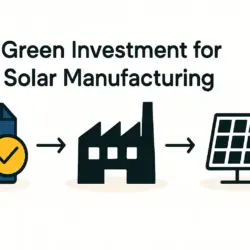
- Investment and Infrastructure Development: A key component will likely involve channeling investment into critical renewable energy projects. This could range from large-scale solar farms and grid modernization initiatives to off-grid solutions for remote islands, ensuring that the benefits of clean energy reach all Fijians.
- Policy and Regulatory Support: Crafting a stable and attractive environment for renewable energy investment is crucial. The partnership will likely support the development of robust regulatory frameworks that encourage private sector participation while ensuring energy remains affordable and reliable.
A Model for Regional Cooperation
The Fiji-New Zealand energy partnership serves as a powerful model for climate cooperation in the Pacific. It demonstrates how developed nations can effectively support the climate ambitions of their smaller island neighbors in a way that respects local leadership and priorities. By focusing on a just and equitable transition, this collaboration aims to create green jobs, enhance energy security, and build a more resilient economy for Fiji.
As the world moves towards a decarbonized future, bilateral and regional partnerships like this one will be the bedrock of progress. The joint efforts of Fiji and New Zealand between 2026 and 2030 will not only help power a cleaner future for Fiji but will also send a strong message of hope and solidarity across the Blue Pacific continent.