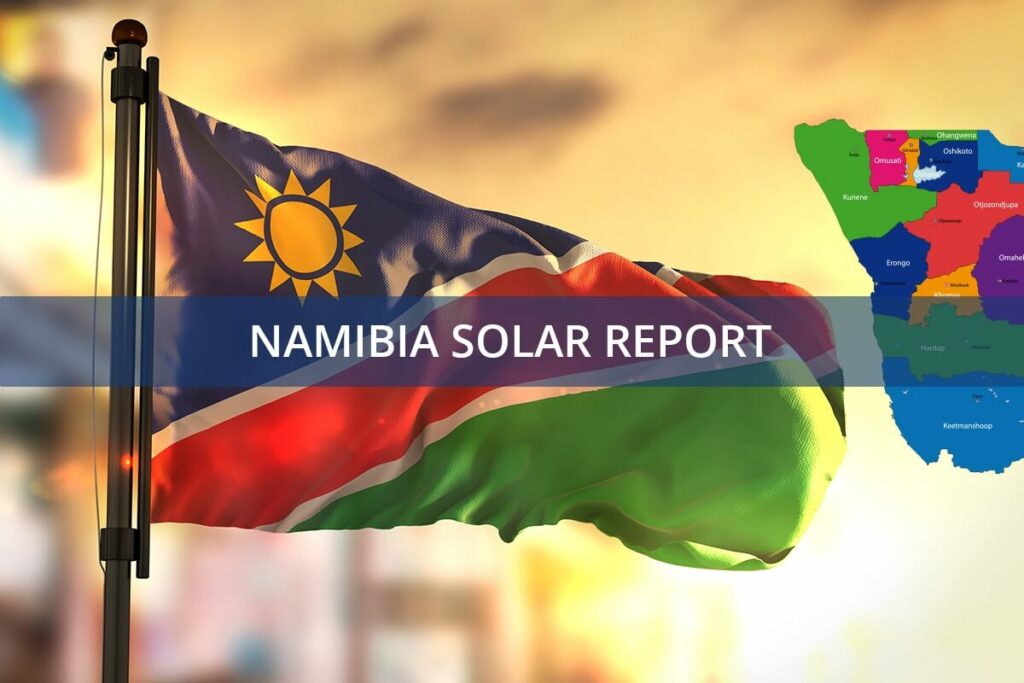
In Windhoek, the drive towards a sustainable energy future is being championed by its youngest and brightest minds. Rather than a single monolithic project, 2024 has revealed a dynamic ecosystem of student-led initiatives that are fundamentally reshaping the city’s relationship with solar power. These grassroots efforts demonstrate a profound commitment to leveraging Namibia’s abundant natural resources for community benefit and hands-on education.
From Classroom Theory to Practical Application
The spirit of this movement is captured in tangible projects making a real-world impact. At Augustineum Secondary School, students are directly involved in a solar energy project, transforming their campus into a hub for practical renewable technology deployment, an initiative highlighted by the Global Shapers Windhoek Hub. This hands-on experience is critical, turning abstract environmental goals into concrete skills. Complementing this, other programs are tackling energy poverty head-on. A meticulously planned initiative aims to distribute Pico Solar Home systems to students in Windhoek’s informal settlements, providing vital light for studying after dark and directly linking renewable energy to educational advancement.
Building a Skilled Workforce for a Greener Tomorrow
These individual projects are bolstered by a robust educational framework designed to create a pipeline of renewable energy experts. The NEED project, in cooperation with the Namibia University of Science and Technology (NUST), exemplifies this strategic approach. Through its “learning by doing” philosophy, university students gain invaluable skills in photovoltaic systems and sustainable mini-grids. This program fosters crucial tech transfer within Windhoek, ensuring that as the demand for green technology grows, a skilled local workforce is ready to meet it.
Harnessing Natural Advantages with Strategic Support
The viability of these student projects is underpinned by Namibia’s exceptional solar potential, which includes an average of 10 hours of strong sunlight per day, making it one of the most resource-rich solar locations globally. While student passion is the catalyst, sustained growth requires a supportive environment that includes strategic investment in energy infrastructure. Modernizing the grid and ensuring access to sustainable financing are crucial steps to integrate these decentralized power sources effectively. This combination of bottom-up innovation and top-down support creates a powerful symbiosis, enabling student-led initiatives to not only launch but to connect to a wider, more resilient energy network for the entire community.
Sources
- Renewable Energy Opportunities for Namibia
- NEWS – NEED project
- Bank Windhoek Strengthens Commitment to Sustainable Financing
- Augustineum Secondary School: Sun Energy Solars Project
- Solar Light Plan for Windhoek Students | PDF