Fouani Nigeria and JinkoSolar Partner for 500 MW Decentralized Solar Project
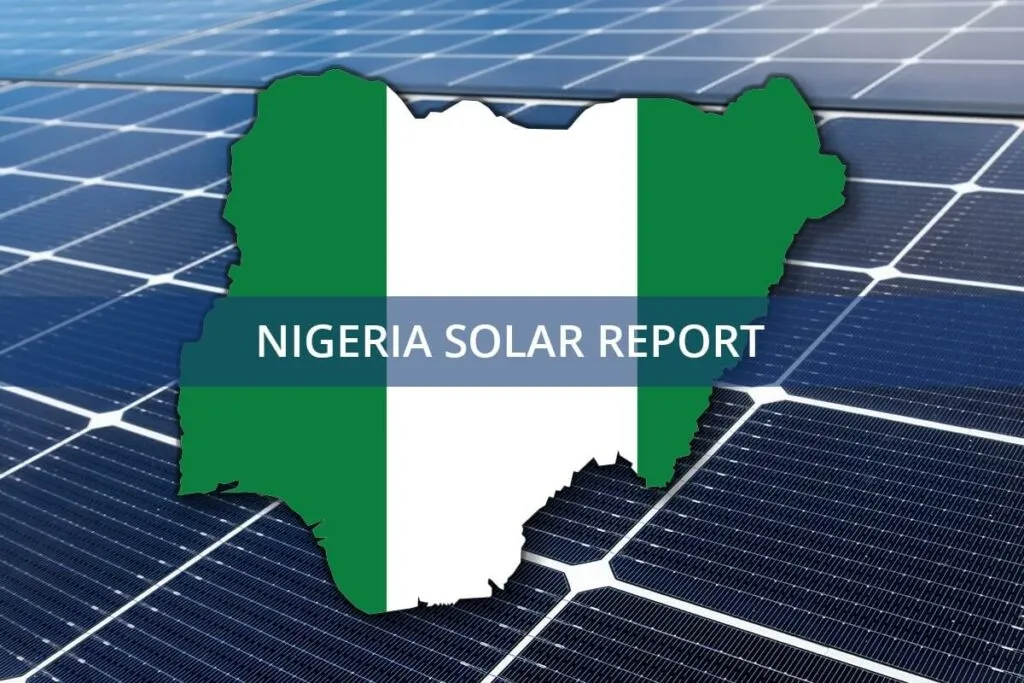
In a significant move to bolster Nigeria’s renewable energy capacity, energy solutions distributor Fouani Nigeria has entered into a major partnership with JinkoSolar, a global leader in solar panel manufacturing. The two companies signed a framework agreement on April 28, 2026, to facilitate the supply of 500 MW of photovoltaic modules for decentralized solar projects across the nation.
This landmark deal aims to directly address Nigeria’s persistent energy challenges, including an unreliable national grid and the rising cost of diesel fuel, which many homes and businesses depend on for power.
Powering a Future with Nigeria Decentralized Solar
The 500 MW supply of high-efficiency solar panels from JinkoSolar is earmarked for a wide range of applications. The initiative will target the installation of solar systems on the rooftops of residential homes, commercial establishments like shopping centers and office buildings, and various industrial sites.
By focusing on decentralized energy, the project empowers individual users—from homeowners to factory managers—to generate their own clean, reliable electricity. This approach is crucial for building resilience against the shortcomings of the centralized grid and provides a stable, long-term alternative to expensive fossil-fuel-powered generators.
A Strategic Response to National Needs
The partnership comes at a critical time. With increasing demand for stable electricity to power its economy and communities, Nigeria is seeing a surge in solar panel imports. This agreement between Fouani Nigeria and JinkoSolar represents a strategic effort to meet this growing demand with high-quality, reliable technology.
Mohamed Fouani, CEO of Fouani Nigeria, expressed that this deal positions the company as a key player in the mission to expand access to reliable electricity for all Nigerians. By leveraging JinkoSolar’s world-class manufacturing capabilities, Fouani Nigeria is set to make a substantial impact on the country’s energy landscape.
While specific details regarding the project’s rollout timeline and financing structure have not yet been disclosed, the agreement itself signals a powerful commitment to a more sustainable and energy-independent future for Nigeria.