A New Industrial Strategy: Implementing Nigeria solar panel ban: 5 Essential Steps to Boost Local Production
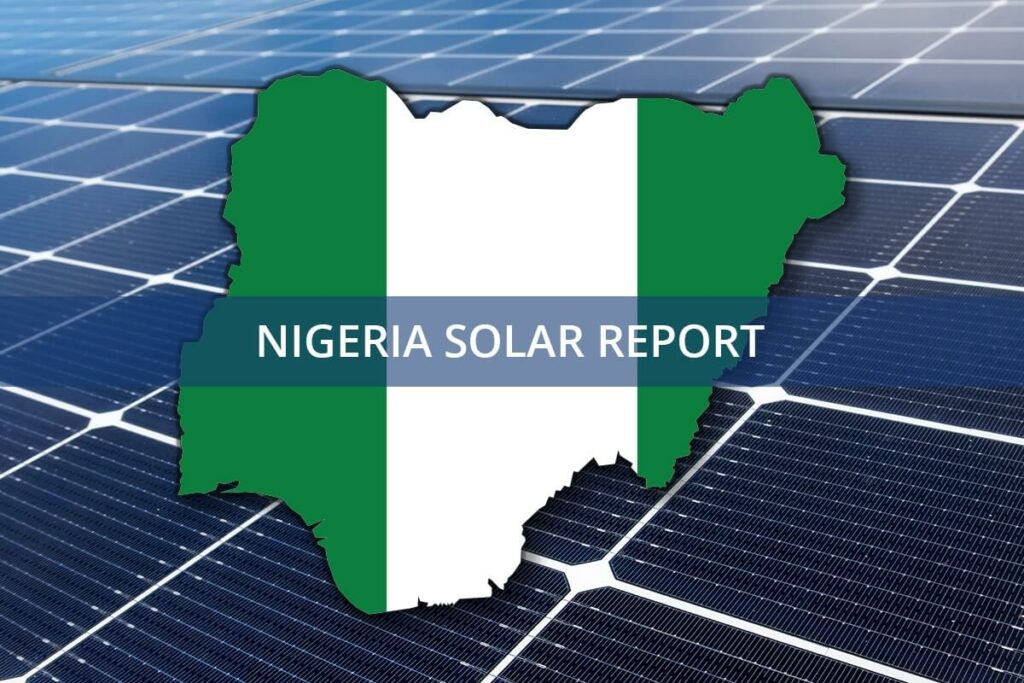
In a bold move to tackle its chronic energy crisis and foster industrial growth, Nigeria’s government has announced a proposed ban on the importation of solar panels. According to reports from early 2025, officials in President Bola Tinubu’s administration are charting a course aimed at compelling foreign and domestic companies to establish local manufacturing bases, a strategy designed to cultivate self-sufficiency and create skilled jobs.
The initiative, announced by Minister of Innovation, Science, and Technology Uche Nnaji, mirrors a previous and successful government policy that prohibited cement imports, which ultimately catalyzed a robust domestic production industry. The underlying principle is clear: companies wishing to participate in Nigeria’s burgeoning solar market will be required to invest in the country’s economic future. “The government will not ban you,” an official sentiment suggests, “but you will have to manufacture here.”
Confronting a National Power Deficit: Nigeria solar panel ban: 5 Essential Steps to Boost Local Production
Nigeria, despite being Africa’s largest oil producer, suffers from a deeply inadequate power supply. With a national grid capacity hovering around a mere 4,500 megawatts for a population exceeding 200 million, frequent power outages are a daily reality that stifles economic activity and affects millions of households. To counter this, the government has set ambitious renewable energy targets.
Currently, solar power contributes less than 1% to the nation’s electricity mix. The government’s goal is to elevate this figure to 30% by 2030, an objective that involves integrating an additional 20,000 megawatts of solar capacity. This expansion will be driven by both utility-scale solar farms and widespread household installations.
The Mechanics of the Proposed Policy: Nigeria solar panel ban: 5 Essential Steps to Boost Local Production
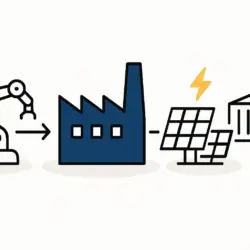
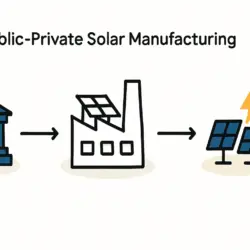
Under the proposed framework, companies awarded contracts for solar projects will be mandated to establish local manufacturing facilities within one year. This requirement is a cornerstone of the policy, ensuring that the push for renewable energy directly translates into domestic industrial development. The first round of bidding for these large-scale solar projects is anticipated to commence in the first quarter of 2025.
This policy aims to create a virtuous cycle: addressing the energy crisis while simultaneously building a local value chain for solar panel manufacturing. The strategy is not without precedent or support, as evidenced by recent investments such as Nigeria’s Solar Facility Receives $25 Million Fund, signaling growing confidence in the sector.
Navigating Challenges and Opportunities: Nigeria solar panel ban: 5 Essential Steps to Boost Local Production
While the vision is compelling, the path forward is laden with challenges. The proposed ban has sparked debate, with stakeholders raising concerns about the feasibility of rapidly scaling local production. Establishing a competitive manufacturing ecosystem requires immense capital investment in infrastructure, technology transfer, and comprehensive workforce training programs.
However, the potential rewards are substantial. If successful, Nigeria could transform from a net importer into a regional manufacturing hub, supplying panels across West Africa. This would not only secure its own energy future but also generate significant export revenue and create thousands of jobs. The plan is part of a wider effort to Nigeria to Improve Power Supply Through Solar With $750M in backing. By leveraging its abundant natural resources and strategic policy, Nigeria is taking a decisive step toward a sustainable and economically prosperous future powered by renewable energy.
Sources
- Turning Policy into Power: How Nigeria’s Solar Panel Ban …
- COMMENTARIES ON THE PROPOSED PHOTOVOLTAIC ( …
- Nigeria Backtracks Solar Import Ban Amid China’s Supply …
- Nigeria’s proposed ban on solar panel imports raises …
- Is Nigeria’s Ban on Solar Panel Importation Beneficial?
- Nigeria proposes ban on solar panel imports
- Rethinking Nigeria’s proposed solar panel import policy