Egyptian Factories Encouraged to Install Solar Cell Systems for Self-Generation
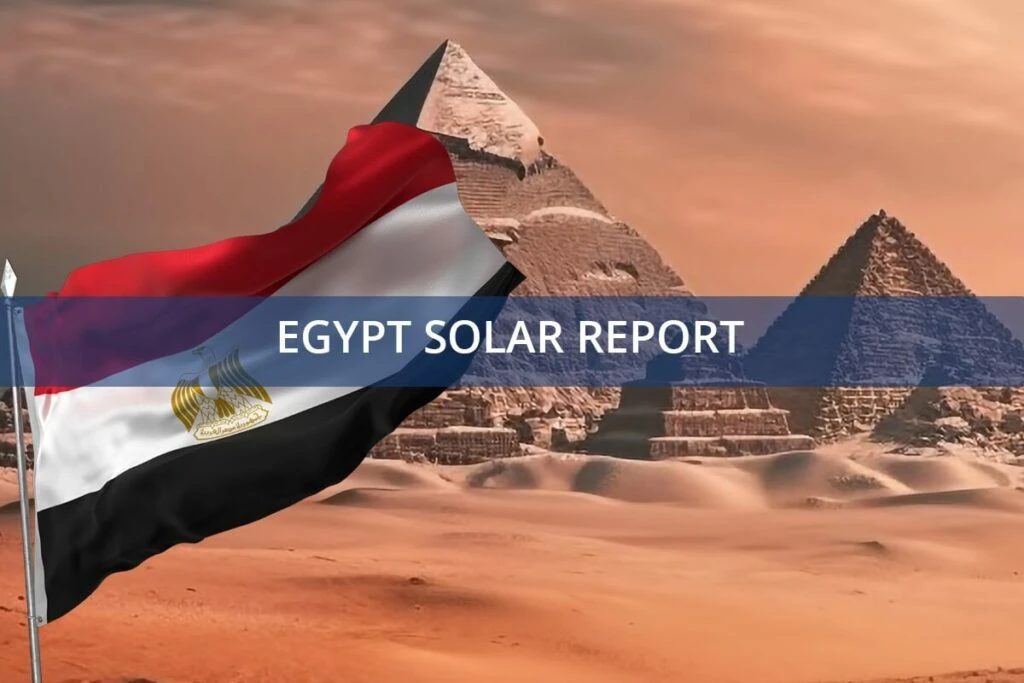
Egypt is standing at a pivotal crossroads where industrial ambition meets a pressing need for sustainable energy. In a significant move to align these two paths, Egyptian factories are being strongly encouraged to embrace solar energy by installing their own photovoltaic (PV) cell systems. This push for self-generation is not merely an environmental suggestion but a strategic imperative aimed at bolstering energy security, reducing operational costs, and future-proofing the nation’s burgeoning industrial sector.
Tapping into a Natural Advantage for Egyptian factory solar power
Egypt is blessed with one of the world’s most abundant solar resources, with vast sun-drenched landscapes offering immense potential for clean energy generation. This natural advantage is a cornerstone of the country’s Integrated Sustainable Energy Strategy (ISES) to 2035, which ambitiously targets having 42% of its electricity generated from renewable sources. Encouraging the industrial sector—a major energy consumer—to adopt solar power is a critical step toward achieving this national goal.
By decentralizing power generation and placing it directly at the point of consumption, factories can transform from passive consumers into active energy producers, contributing to a more resilient and distributed national grid.
The Compelling Business Case for Industrial Solar at an Egyptian factory
For factory owners and industrial managers, the encouragement to go solar is backed by a powerful and increasingly undeniable business case. The benefits extend far beyond corporate social responsibility.
1. Energy Independence and Operational Stability:
One of the most significant challenges for manufacturers is the risk of production downtime due to power grid instability or planned outages. By generating their own electricity, factories can ensure a consistent and reliable power supply, safeguarding production lines and preventing costly interruptions. This move towards energy independence provides a critical buffer against external grid-related issues.
2. Long-Term Cost Savings and Predictability:
While the initial capital investment for a solar installation is significant, the long-term financial returns are substantial. Solar energy allows factories to lock in their electricity costs for decades, protecting them from volatile energy prices and future tariff hikes. With falling technology costs and rising efficiency, the return on investment for industrial-scale solar projects has become more attractive than ever.
3. Enhanced Competitiveness and Market Access:
In a global market that increasingly values sustainability, factories powered by clean energy gain a significant competitive edge. Many international corporations now require their supply chain partners to meet stringent environmental standards. By adopting solar, Egyptian manufacturers can enhance their green credentials, making them more attractive partners for global trade and investment.
The Role of Government and a Forward-Looking Policy for Egyptian factory solar power
This transition is being facilitated by a supportive policy environment. Government bodies, including the Ministry of Electricity and the New and Renewable Energy Authority (NREA), are instrumental in creating the frameworks necessary for this shift. Mechanisms such as net metering, which allows producers to sell surplus electricity back to the grid, and potential financial incentives are key policy tools that make self-generation a viable and profitable option for industrial enterprises.
The encouragement is clear: the government sees the industrial sector not as a problem to be managed but as a key partner in the nation’s energy transition.
A Brighter, Self-Sufficient Future with Egyptian factory solar power
The drive for Egyptian factories to install solar cell systems marks a transformative moment for the country’s industrial landscape. It represents a pragmatic fusion of economic necessity and environmental stewardship. By harnessing the power of the sun, Egypt’s industrial heartlands can power their growth, secure their operations, and lead the way toward a more sustainable and prosperous future for the entire nation.