“`html
Egypt solar panel mandate: Remarkable 25% Power Rule
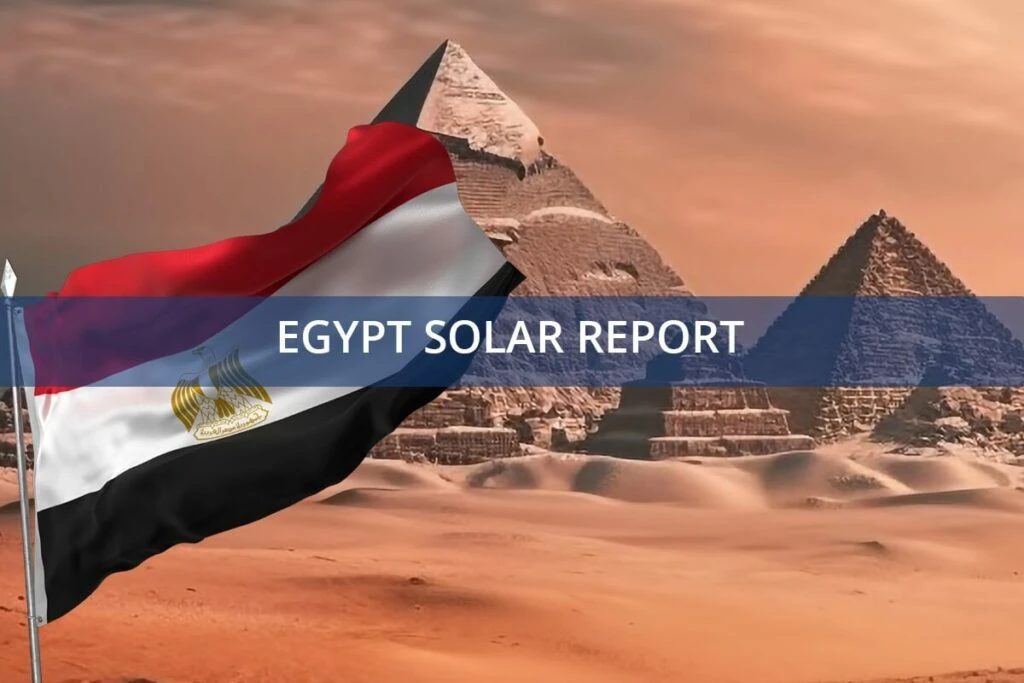
Reports have emerged detailing a significant potential policy shift in Egypt’s industrial sector: a mandate requiring all new factories to derive a minimum of 25% of their energy from solar power. If implemented, such a rule would represent a decisive step in embedding renewable energy directly into the nation’s economic framework, pushing its green transition forward in a tangible way. The policy would directly target major energy consumers, ensuring that future industrial growth is coupled with sustainable practices.
Verifying the Egypt solar panel mandate: Remarkable 25% Power Rule
However, despite the circulation of these reports, a thorough review of authoritative renewable energy news outlets and industry analyses around early May 2026, does not yield a direct confirmation of a formally enacted “25% Power Rule.” Searches for an official government decree or policy announcement have so far come up empty, leaving the specific mandate in the realm of unverified information for now.
While this particular rule lacks official verification, the concept aligns seamlessly with Egypt’s broader, well-documented environmental strategy. The nation has already committed to ambitious targets through its Integrated Sustainable Energy Strategy, which aims for renewables to constitute 42% of the country’s electricity mix by 2035. This overarching goal is substantiated by massive state-backed projects, including the landmark Benban Solar Park, one of the largest solar installations globally, which showcases the country’s capacity and commitment to utility-scale solar energy.
Private Sector Momentum Signals Readiness
Regardless of this specific mandate’s status, Egypt’s private sector is already demonstrating a strong appetite for solar technology. The market is buzzing with activity that underscores a readiness for a deeper integration of renewables. A key indicator of this momentum is the strategic alliance formed between the Egyptian firm Eco Solutions and the Chinese smart energy solutions provider GoodWe. This collaboration aims to enhance the availability of solar and battery storage systems across Egypt.
Ahmed Dahi, CEO of Eco Solutions, described the partnership as a “strategic turning point in Egypt’s solar energy market,” emphasizing the critical role of Battery Energy Storage Systems (BESS) in stabilizing the grid. Such private-sector initiatives are building the necessary infrastructure and expertise that would be crucial for supporting any future government mandates.
A Future Powered by Policy and Partnership
The discussion around a 25% solar mandate for new factories, verified or not, places a spotlight on Egypt’s position as a potential leader in sustainable industrialization. It reflects a clear trajectory toward leveraging the nation’s abundant solar resources to achieve energy security and reduce reliance on fossil fuels. The government has already fostered a supportive ecosystem through incentives like tax breaks on solar component imports. Whether this specific rule is enacted or remains a proposal, the direction for Egypt is clear. The nation is actively building a resilient and sustainable industrial economy, powered by a combination of ambitious national goals, international partnerships, and market-driven innovation.
Sources
- News – ICSC | Institute for Climate and Sustainable Cities
- Agriculture, Climate, Environment, Energy & Food: May 2026 …
- As Solar Cell Line Plans Face Delays, ALCM Rollout Could Trigger …
- Meta, Overview Energy agree on space solar partnership
- ICIS news and analysis for global commodity markets
- Gearing up for the final pledging event of our ‘Scaling Up … – Instagram
- Cheap batteries are taking over the world’s power grids – LA Times
“`