Solar water Kenya: Remarkable 2024 Access Boost for Water Scarcity
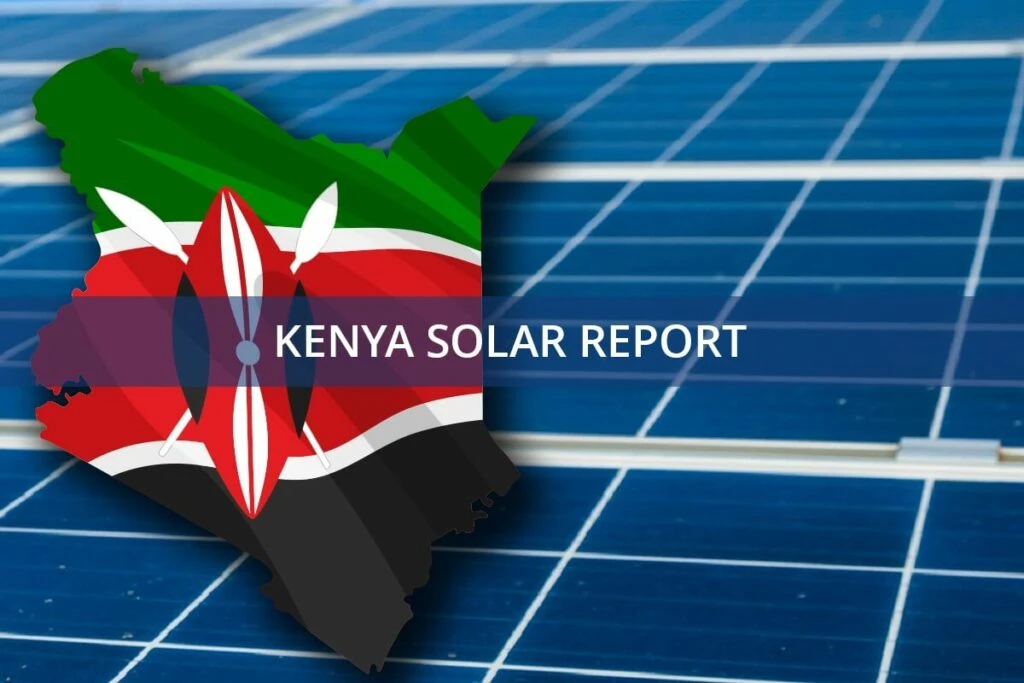
In Kenya, a nation at the forefront of the off-grid energy revolution, the power of the sun is being leveraged to solve one of the most pressing challenges: water scarcity. Across arid and semi-arid landscapes like Machakos County, which frequently oscillates between severe drought and damaging floods, innovative solar water pumping systems are creating a new reality for thousands. This shift represents a powerful application of the water-energy-food nexus, where renewable energy directly fuels water access and agricultural stability.
A Community Transformed in Machakos
For the residents of Thiny in Masinga sub-county, the daily struggle for water is now a memory. Previously, women would trek up to four kilometers to fetch water, a time-consuming burden that limited opportunities for education and economic activity. A local dam, though full of potential, lay dormant without a means to distribute its contents. A community-led initiative, backed by the Financing Locally Led Climate Action (FLLoCA) Program, has revitalized this resource, turning a symbol of hardship into a beacon of hope.
At the heart of this transformation is a solar array of 62 panels, each generating 710 watts. This clean energy powers a robust pumping system that draws water from the dam, treats it, and distributes it through a pipeline network extending up to two kilometers. This project has effectively halved the distance to water for an estimated 8,000 people, demonstrating a scalable model for climate resilience.
From Water Access to Holistic Development
The impact of reliable, solar-powered water extends far beyond hydration. With water readily available, the region is experiencing a cascade of interconnected benefits that bolster community well-being and food security. Farmers can now irrigate their land, leading to greener landscapes, healthier livestock, and more dependable crop yields. This stabilization of the local food supply is a critical step in building resilience against climate shocks.
Furthermore, the project creates profound social change. By liberating women and children from the hours-long task of water collection, it opens doors to education, new business ventures, and greater participation in community life. A video report from the area showcases the tangible impact on daily life and the restored optimism within the community.
This initiative in Machakos is not an isolated case but part of a broader trend across Kenya. The increasing number of tenders for similar off-grid and hybrid solar systems signals a systemic shift towards sustainable, decentralized infrastructure. By harnessing its most abundant natural resource, Kenya is not just pumping water—it is powering a more secure and prosperous future for its rural communities.
Sources
- Kenya’s Off-Grid Energy Revolution: Impact and Initiatives
- Programs – Join the Charge – GivePower Foundation
- Kenya 2024 – Energy Policy Review
- Solar Power and the Water-Energy-Food Nexus – SESA project
- How Solar Technology Enabled a Community That Once Suffered …
- Harnessing solar power to improve water access
- Off-grid Solar Could Provide First-time Electricity Access to Almost …