South Africa is set to install a 20 MW solar plant at the Port of Richards Bay to decarbonize its largest coal port. This project is part of a broader plan to add 100 MW of renewable energy across eight commercial seaports.
Transitioning From Coal to Solar
For decades, coal has been the foundation of South Africa’s energy sector, fueling economic growth while contributing significantly to greenhouse gas emissions. The industry now faces major challenges from declining global demand and mounting environmental concerns, particularly regarding air pollution. The need to shift decisively towards cleaner energy sources has never been more urgent.
In South Africa, solar power is emerging as a beacon of hope, especially in remote areas that have historically lacked access to electricity. This shift offers several advantages, including reduced greenhouse gas emissions, greater energy security through a diversified energy mix, and the creation of new economic opportunities in the renewable energy sector.
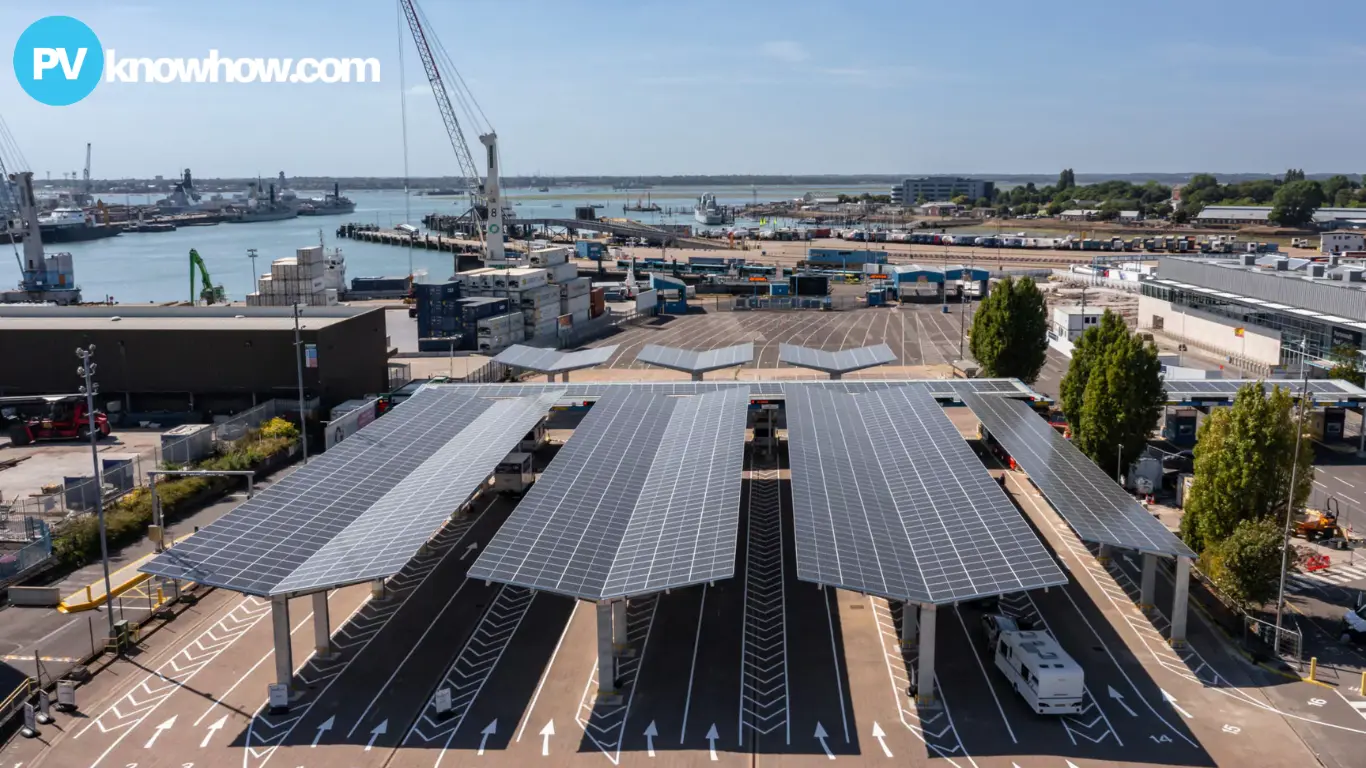
Image: Collected
To reduce carbon emissions at its major ports, the Transnet National Ports Authority (TNPA) has selected the Amulet Group Consortium to build and manage a 20 MW solar photovoltaic plant at the Port of Richards Bay—South Africa’s largest coal port. The project advances TNPA’s broader goal of installing around 100 MW of renewable energy across the country’s eight commercial seaports.
20 MW Solar Project to Power Port
Amulet Group was chosen following a Request for Proposal (RFP) process that TNPA initiated in May 2023. The consortium will build and operate the 20 MW solar power and battery energy system at the Port of Richards Bay for seven years. TNPA expects the plant’s design and construction to begin this month and be completed by May 2026.
TNPA Managing Executive for the Eastern Region ports, Moshe Motlohi, highlighted the project’s role in reducing emissions from coal-generated electricity. He added that alongside renewable energy, TNPA’s strategy also incorporates LNG, microgrids, and battery energy storage systems (BESS).
“The implementation of a renewable energy solution in the port system will allow for the reduction of carbon and greenhouse gas emissions from coal-generated electricity,” Motlohi stated.
Last year, TNPA issued a Request for Information (RFI) to explore the feasibility of developing a hydrogen fuel terminal and other related facilities at South African ports. Replicating such initiatives across different ports and industries nationwide could significantly accelerate the country’s transition from coal to renewable energy.
The rise of solar power will inevitably affect the coal industry. While concerns about potential job losses exist, the transition also presents an opportunity for the industry to adapt and embrace new technologies. Reskilling and upskilling efforts can equip workers with the necessary skills to thrive in the expanding renewable energy sector.
Collaborating With Global Leaders in Renewable Energy
The South African government’s strong support for renewable energy—coupled with international partnerships and investments—will be pivotal in driving this transition. Collaborating with global leaders in renewable energy can provide access to advanced technologies and expertise, propelling the country towards a sustainable future.
In a related development, AMEA Power has signed a 20-year Power Purchase Agreement (PPA) for a 120 MW solar PV project in South Africa, marking another crucial step in the nation’s energy transition. The Doornhoek Solar PV project is expected to generate 325 GWh of clean energy annually, powering an estimated 97,000 households and cutting carbon dioxide emissions by 330,000 tonnes per year.
This project aligns with South Africa’s commitment to increasing its renewable energy sources to 41% by 2030 and decommissioning coal-fired power plants. AMEA Power’s investment signifies its dedication to environmental and socio-economic development, a commitment underscored by its establishment of a regional hub in Johannesburg.
This solar installation at the Port of Richards Bay carries symbolic significance for South Africa, marking a shift from a coal-dominated past to a cleaner future powered by renewable energy. As more projects like this are launched, South Africa has the opportunity to lead the continent toward a cleaner, more sustainable energy landscape.