
A new solar module factory floor is a place of immense potential. The machines are calibrated, the materials are ready, and a newly hired team is eager to begin. Yet, in many new ventures, this initial enthusiasm soon gives way to the costly reality of production errors: cracked cells, soldering defects, and delamination issues. The source of these problems is often not the machinery, but the hands that operate it.
Research from LNS highlights a critical point: up to 46% of all product quality issues can be traced back to operator error. This statistic is not an indictment of the workforce; it is a clear indicator of a gap in process. For entrepreneurs and managers assembling a new factory workforce, closing this gap must be a top priority. The solution lies in a systematic, quality-first onboarding program that transforms new hires into skilled, reliable operators from day one.
The High Cost of an Unstructured Onboarding Process
Learning “on the job” without a formal structure may seem like a fast way to get production started, but this approach often incurs significant hidden costs that impact the bottom line.
- Material Waste: A mishandled solar cell can develop microcracks invisible to the naked eye, leading to a rejected module at the final testing stage. The cost of the wasted cell, ribbon, glass, and backsheet represents a direct financial loss.
- Reduced Throughput: When an operator makes a mistake, the line may need to be stopped. Reworking a faulty module takes time, slowing down the entire production schedule and hurting the factory’s output.
- Inconsistent Quality: Without a standardized training process, each operator develops their own techniques, leading to variations in quality. This inconsistency can damage the company’s reputation and make it difficult to achieve necessary product certifications.
- Lower Employee Morale: A high-pressure environment where mistakes are frequent breeds frustration and high staff turnover. Constant retraining is both expensive and inefficient.
From Operator Error to Operational Excellence: A Framework for Success
The key to mitigating these risks is to view training not as a preliminary task, but as the first and most important quality control step. A well-designed onboarding program is a strategic investment. According to research by McKinsey, effective training programs can reduce product defects by up to 50% and improve overall performance by 60-70%.
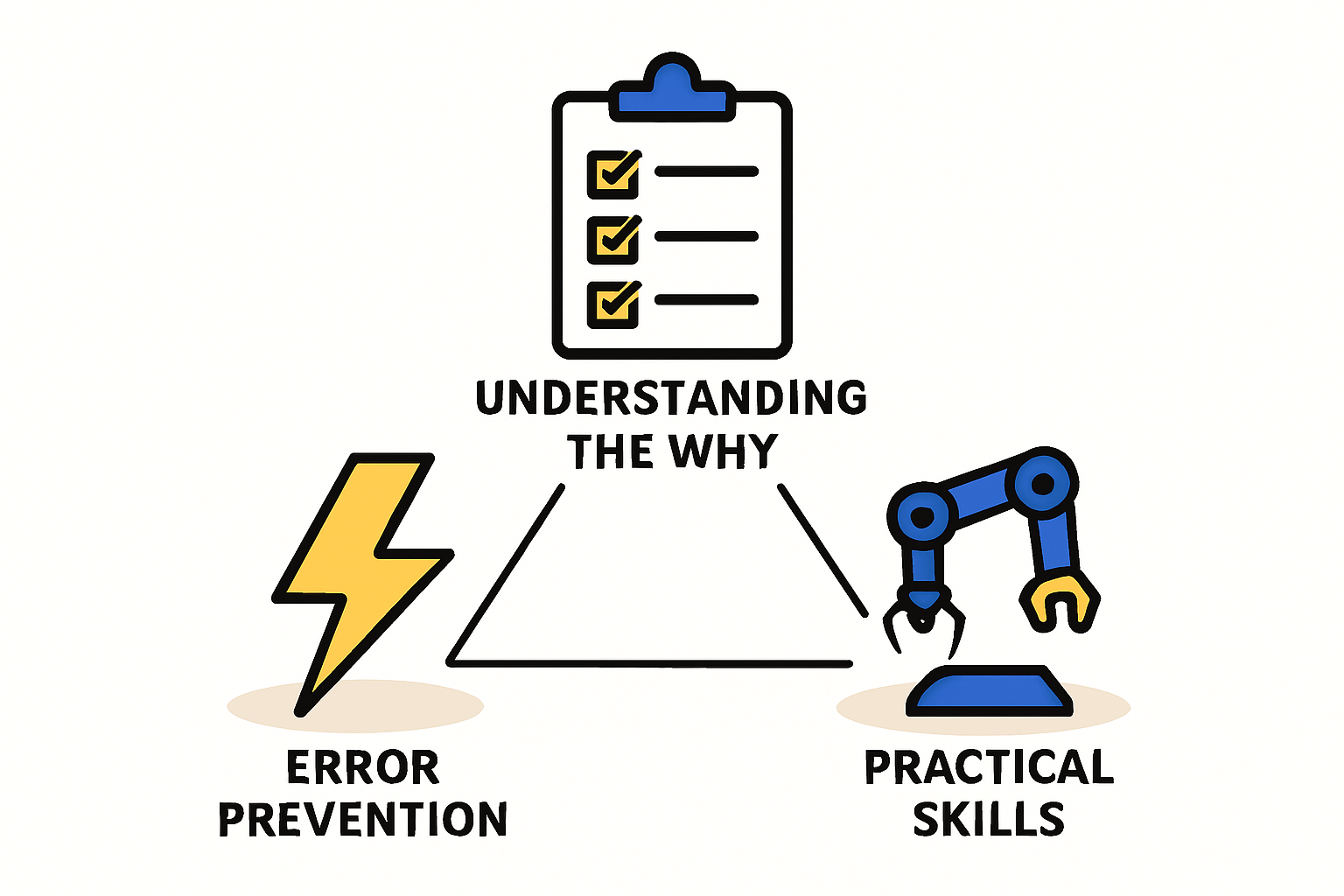
Success hinges on a shift in focus: from simply teaching operators what to do, to ensuring they understand why they are doing it. An operator who understands how improper handling causes microcracks is far more likely to handle cells with care than one who was simply told to be “gentle.” This approach fosters a “quality mindset” that becomes ingrained in the factory’s culture.
A Four-Phase Onboarding Model for Solar Module Assembly
This structured training plan is adapted from models used in successful turnkey factory setups. Designed to be implemented over several weeks, it ensures new operators build a solid foundation of skills and knowledge before being given full responsibility.
Phase 1: Foundation and Orientation (Week 1)
The first week is dedicated to immersion, not production. The goal is to build context and establish safety and quality as non-negotiable priorities.
- Safety First: Comprehensive training on all factory safety protocols, emergency procedures, and the proper use of personal protective equipment (PPE).
- Company and Product Introduction: Operators should understand the company’s mission and the vital role they play. Explain the fundamentals of the solar module manufacturing process and how a finished module generates electricity. This context provides a sense of purpose.
- Factory Tour: A guided walk-through of the entire production line, from raw material intake to final packaging, helps new hires understand how each station connects to the next.
Phase 2: Theory and Supervised Observation (Week 2)
During this phase, operators learn the specifics of their role without the pressure of hands-on work.
- Standard Operating Procedures (SOPs): Detailed review of the written SOPs for each machine and process step. This is classroom-style learning, focusing on the “correct” way to perform each task.
- Shadowing Senior Operators: Each new hire is paired with an experienced, high-performing operator. They observe the workflow, ask questions, and learn to recognize the sights and sounds of a properly functioning process.
- Defect Identification: The trainer shows examples of common defects (e.g., bad soldering, bubbles in the laminate, misaligned cells) and explains their root causes.
Phase 3: Hands-On, Supervised Practice (Weeks 3-4)
Here, new hires get their first opportunity to work with materials and machines, always under the watchful eye of a dedicated trainer or senior operator.
- One Station at a Time: The operator focuses on mastering a single workstation, such as the stringer machine or the lay-up station.
- Focus on Technique, Not Speed: The immediate goal is perfect execution of the process according to the SOP. Production speed is a secondary concern that will develop naturally with competence.
- Introducing Self-Checks: Operators learn to perform basic quality checks on their own work before passing it to the next stage.
Phase 4: Gradual Autonomy and Continuous Feedback (Month 2-3)
Once an operator demonstrates proficiency in a supervised setting, they can begin to work more independently.
- Independent Operation: The operator works at their station without constant supervision, but their output is subject to frequent and rigorous checks by a quality manager or supervisor.
- Performance Feedback: Supervisors provide regular, constructive feedback, highlighting areas of excellence and offering clear guidance on areas for improvement.
- Introduction to Metrics: Operators learn about the key performance indicators (KPIs) for their station, such as individual output and error rates, helping them understand how their performance contributes to the factory’s goals.
Preventing Common New Operator Mistakes
A structured training program is especially effective at preventing the specific, recurring errors that often plague new production lines. For example, a project partner in North Africa found that implementing a two-week shadowing period before allowing new operators to handle materials reduced initial cell breakage by over 70%.
- Microcracks in Cells: Addressed in Phase 3 by teaching precise, gentle handling techniques and explaining the mechanical fragility of silicon wafers.
- Poor Soldering: Prevented by dedicating practice time to mastering the soldering equipment under supervision, ensuring consistent temperature and application.
- Contamination: Minimized by making cleanroom protocols and the proper use of gloves and masks a core part of Phase 1 orientation.
- Incorrect Lay-up: Avoided by using detailed visual aids and checklists from the SOPs during the supervised practice in Phase 3, reinforcing the correct sequence and alignment.
This proactive approach is supplemented by a robust system of in-line and final quality assurance checks, which act as a safety net to catch any errors that may still occur.
Measuring the Success of Your Training Program
The effectiveness of an onboarding program should not be a matter of opinion; it should be measured with data. Key metrics to track include:
- First Pass Yield (FPY): The percentage of modules that pass all quality tests on the first attempt without needing rework. A rising FPY signals improving operator skill.
- Scrap Rate: The amount of raw material wasted due to operator error. A declining scrap rate translates directly to cost savings.
- Time to Proficiency: The average time it takes for a new hire to meet the standard quality and output targets for their station.
Over time, this investment in learning pays dividends beyond defect reduction. Research from Deloitte shows that organizations with a strong learning culture are 92% more likely to innovate, creating a workforce that not only follows procedures but also contributes to improving them.
Frequently Asked Questions (FAQ)
How long should a full training program last?
A comprehensive program typically lasts from four to eight weeks, depending on the complexity of the tasks. The goal is proficiency, not simply completing a set number of hours.
What is the most critical skill for a new operator to learn first?
Attention to detail. Before they master any single task, they must adopt a mindset of precision and care, understanding that small deviations can lead to significant quality issues.
Should we have a dedicated trainer on staff?
For a new factory setup, a dedicated trainer or training manager is highly recommended. This ensures that training is consistent, professional, and prioritized, rather than being an additional burden on busy production supervisors.
How do we balance the need for production speed with quality training?
In the beginning, quality must always take precedence over speed. Rushing the training process leads to ingrained bad habits that are difficult to correct. A focus on perfect technique first will naturally lead to increased speed as the operator gains confidence and muscle memory.
Conclusion: Building a Culture of Quality from Day One
Starting a solar module factory is a significant undertaking. The success of the venture rests not just on the quality of the machinery, but on the skill and diligence of the people who run it. By implementing a structured, quality-focused onboarding program, business leaders do more than just train employees—they build the foundation for a culture of excellence. This investment is one of the most reliable ways to ensure high product quality, operational efficiency, and long-term profitability in the competitive solar manufacturing industry.