Century Solar Africa has received 204 hectares of land from Chief Mailo in Serenje District to build a solar power project to help address Zambia’s energy needs. This initiative will diversify the country’s energy sources and create employment opportunities.
Century Solar Africa’s Role in Zambia’s Energy Sector
Zambia is making significant strides toward a sustainable future with solar energy, and Century Solar Africa is at the forefront of this movement. In a major step forward for the country’s renewable energy efforts, Chief Mailo of Serenje District in Central Province handed over 204 hectares of land to Century Solar Africa.
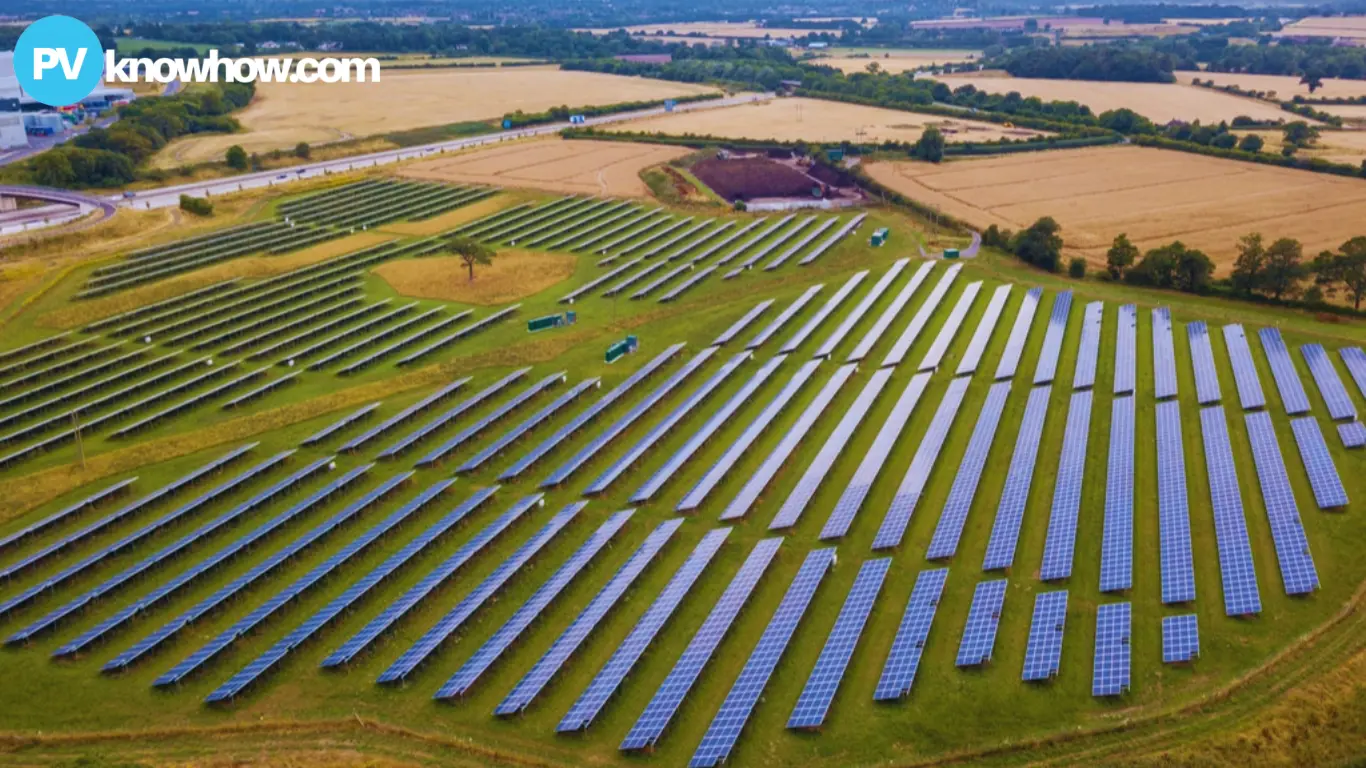
Zambia solar park
The project marks a crucial step in diversifying Zambia’s energy mix. The nation currently relies heavily on hydroelectric power, which has become less reliable due to fluctuating water levels caused by climate change. Integrating solar power into the national grid will reduce Zambia’s dependence on this single energy source.
Chief Mailo highlighted the project’s importance, noting its dual benefits for the country. “This initiative will help alleviate the country’s power supply challenges while creating much-needed employment,” he said.
Key Details of the Solar Project
Century Solar Africa’s solar power project will be implemented in phases. Each stage, expected to take about six months to build, will generate 25 megawatts (MW) of electricity. Once complete, the project will produce a total of 100 MW, significantly boosting the national grid.
The estimated budget for the project is $122 million, making it one of the most significant investments in Zambia’s renewable energy sector. During construction, the project is expected to create around 900 jobs. This represents a significant boost for the local economy—particularly in Serenje District—where job opportunities are often limited.
This project aligns with Zambia’s broader strategy to diversify its energy portfolio. The government has been actively working to integrate more renewables into the national power grid and has identified solar energy as a key area for growth.
ZESCO—Zambia’s power utility—has also been making progress in solar energy. The company’s Chisamba Solar Project is currently under construction in Kafungalubala village. This project will add another 100 MW of power to the grid.
Other Major Solar Projects in Zambia
Zambia’s shift towards solar energy is not limited to Century Solar Africa and ZESCO. Other companies are also investing in renewable energy. For instance, Ultra Green Corporation is developing a $300 million solar power plant in Serenje.
This project—launched by the Minister of Energy—aims to generate 50 MW of electricity. Like the Century Solar Africa project, it is also expected to boost the national power grid and support economic growth.
Together, these solar initiatives are laying the groundwork for Zambia’s renewable energy future. As the country continues to face climate-related challenges, including lower water levels in its hydroelectric dams, solar energy offers a more sustainable and resilient solution.
Economic and Environmental Benefits
The Century Solar Africa project and other solar developments in Zambia offer numerous benefits for the country. First and foremost, they will help meet Zambia’s growing demand for electricity. As the nation’s population and economy expand, so too does its need for reliable energy.
In addition to boosting the national power supply, these solar projects will create jobs. This is particularly important in regions like Serenje, where employment opportunities can be scarce. The 900 jobs expected from the Century Solar Africa project alone will provide much-needed economic relief to the local community.
From an environmental perspective, solar energy is a clean and renewable source of power. Unlike hydroelectric dams, solar panels are not affected by changing water levels, which makes them a more reliable energy source in the face of climate change.
The handover of 204 hectares of land by Chief Mailo to Century Solar Africa represents a major milestone for Zambia’s renewable energy sector. The project will not only help meet the country’s growing energy needs but also create jobs and contribute to a more sustainable future.