Investing in Angola’s Solar Future: Your Guide to Risks & Rewards in Solar Manufacturing
Angola is at an exciting point in its energy journey. With abundant sunshine and an increasingly pro-renewables government, the country offers a prime opportunity for local solar module manufacturing.
However, venturing into this market, especially in manufacturing, comes with its own unique set of challenges. For entrepreneurs and investors looking to establish a successful solar manufacturing business in Angola, understanding and effectively managing these risks is crucial.
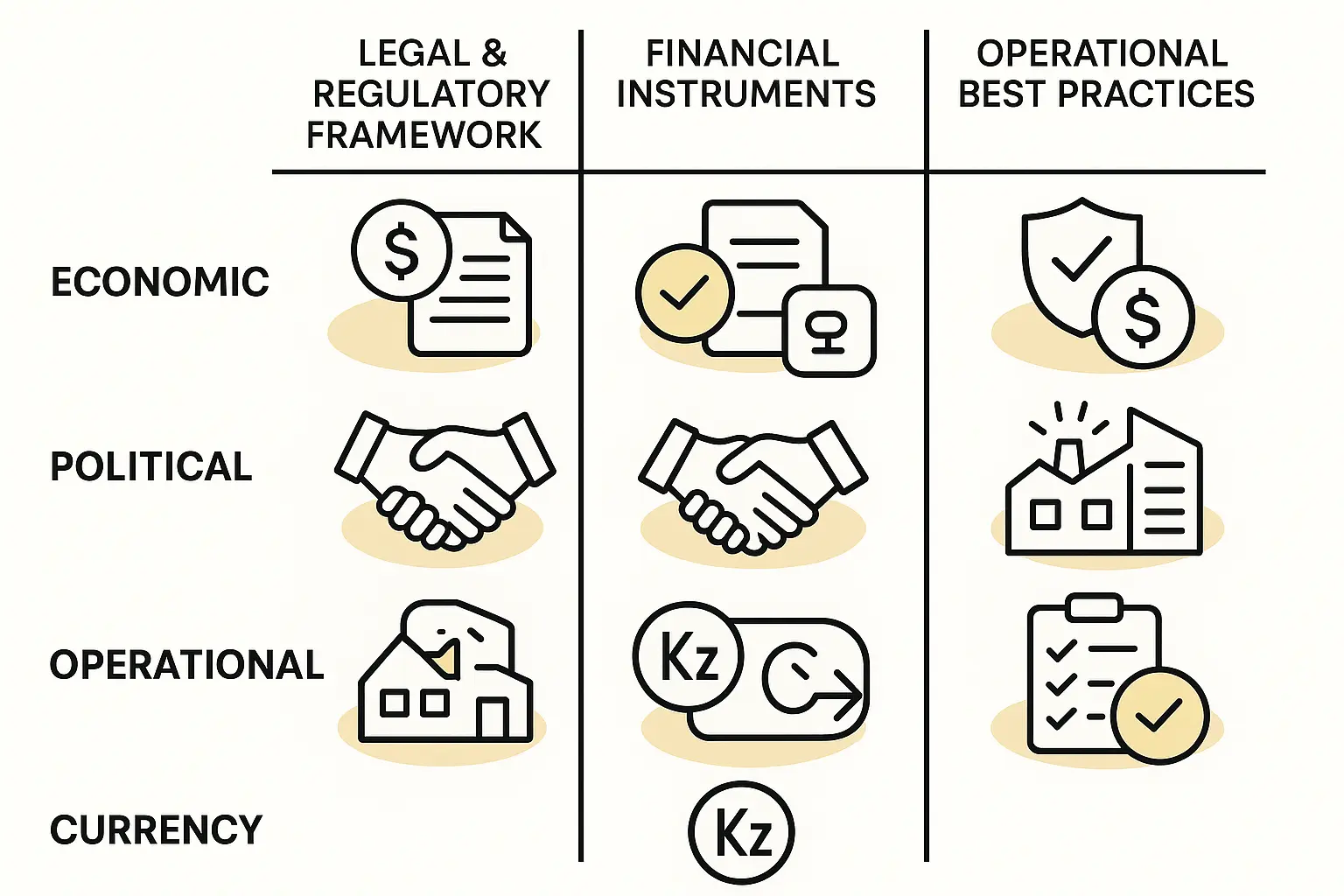
This guide offers a practical look at the potential economic, political, operational, and currency-related obstacles you may face. We’ll also explore strategic approaches to navigate this promising yet complex landscape. Drawing on market analysis and expert insights, our goal is to equip you to make well-informed decisions for your potential solar venture in Angola.
Table of Contents
Ready to master the solar industry or need a helping hand?
Our Free E-Course is a great starting point, or you can explore our comprehensive services for tailored solutions. If you’re serious about launching your venture, our Premium Business Plan E-Course offers personalized guidance to ensure your success. We’re here to make your solar journey smooth and successful!
Angola’s Solar Scene: Why Manufacturing Makes Sense Here
Angola’s push to diversify its energy mix is clear, supported by impressive solar irradiation levels ranging from 1,355 to 2,070 kWh/m²/year. The country has ambitious goals, boasting a solar PV potential of 17.3 GW, a key highlight in the Angola Energia 2025 strategy.
This forward-looking plan targets 8.9 GW in total installed generation capacity by 2025, with renewables set to play a significant role. The momentum is real: recent data shows Angola added 1.1 GW of solar capacity in 2023, placing it among the top global installers (data via PVKnowhow).

Local solar manufacturing in Angola aligns well with broader national objectives, such as reducing import reliance, creating jobs, boosting energy security, and driving industrial growth. While large solar installations are gaining momentum, there is also an increasing focus on generating local value through manufacturing. Government initiatives further suggest a keen interest in empowering artisans for small-scale solar component manufacturing.
Taking a Closer Look: Key Risks for Solar Manufacturing Ventures in Angola
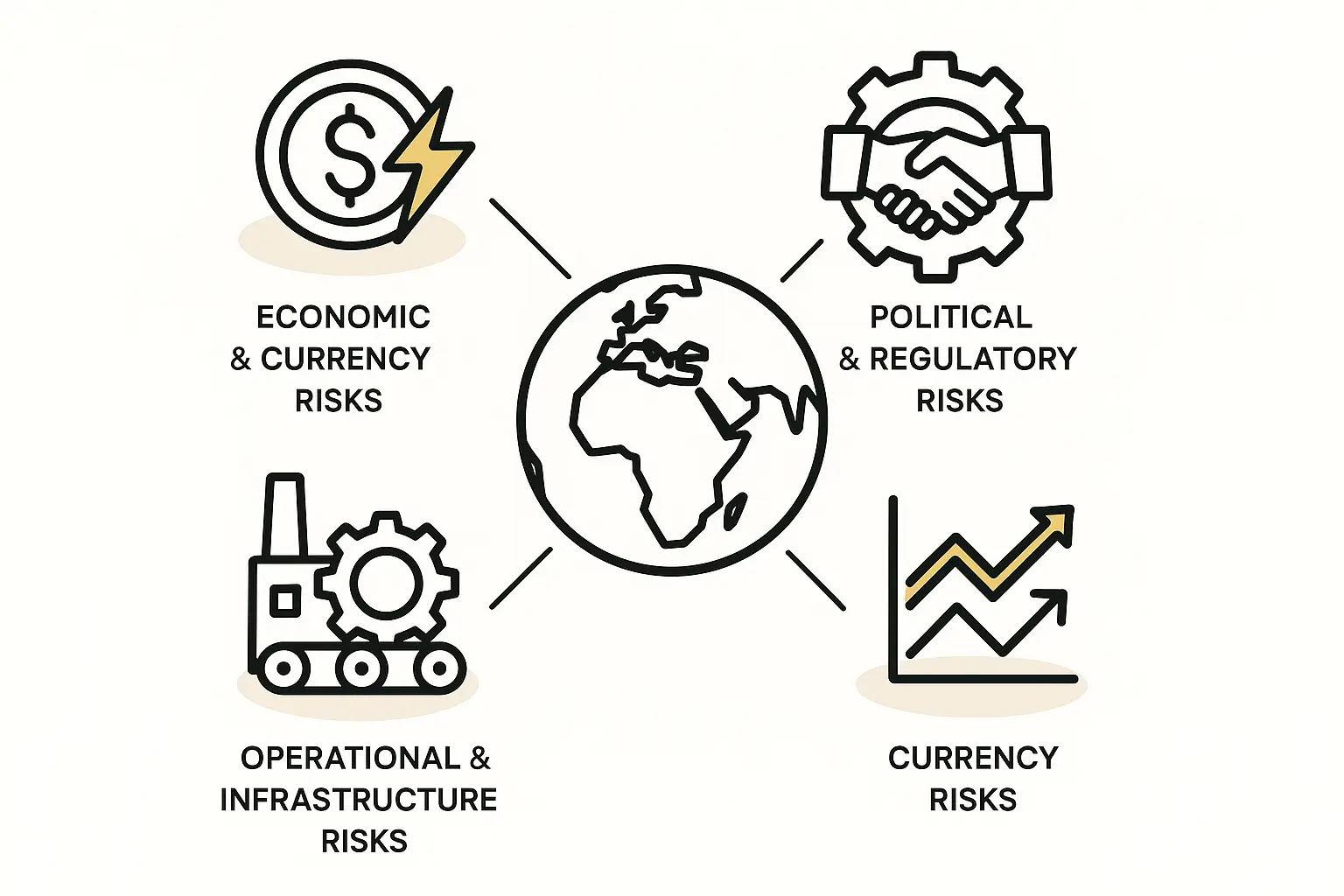
A. Economic Risks
- Currency fluctuations can impact the cost of imported materials and profit repatriation.
- High inflation and unpredictable interest rates affect operating costs.
- Accessing affordable long-term financing locally can be challenging.
- The economy’s continued dependence on oil hinders diversification efforts.
B. Political and Regulatory Risks
- Unexpected policy shifts or regulatory changes can create uncertainty.
- Bureaucratic hurdles for permits and licenses may cause significant delays.
- Weaknesses in the rule of law, contract enforcement, and political stability pose key risks.
- Corruption remains a concern that impacts the ease of doing business.
C. Operational Risks in Manufacturing
- Inadequate or unreliable power and transportation infrastructure.
- Difficulties in supply chain management and a shortage of skilled labor.
- Risks related to technology transfer, plant security, and asset protection.
D. Currency-Related Risks (Specifically for Manufacturing)
- The cost of imported machinery and raw materials is vulnerable to currency fluctuations.
- Challenges in repatriating profits due to foreign exchange availability and rates.
- Limited hedging options make it difficult to shield the business from FX fluctuations.
Smart Moves: Navigating Risks for a Viable Solar Project in Angola
A. Tackling Economic Risks
- Seek smart financial structuring to reduce currency exposure.
- Explore available hedging strategies for currency risk management.
- Secure long-term offtake agreements to stabilize revenues.
- Utilize government incentives and manage local currency costs effectively.
B. Managing Political and Regulatory Risks
- Engage local legal experts and build strong partnerships.
- Maintain open communication with government agencies.
- Consider political risk insurance and strategic investment structuring.
C. Addressing Operational Risks
- Select strategic locations with optimal access to resources.
- Invest in workforce training, supply chain management, and technology.
- Implement international standards and focus on infrastructure partnerships.
D. Mitigating Currency Risks (Manufacturing Focus)
- Align major costs and revenues in the same currency where possible.
- Negotiate favorable payment terms with international suppliers.
- Utilize natural hedges from export revenues to offset input costs.
Successfully navigating the challenges of solar manufacturing in Angola requires strategic planning, effective risk mitigation, and strong collaboration. Success hinges on understanding the risks, executing well-thought-out plans, and adapting to a dynamic landscape. By thoughtfully engaging with these challenges, entrepreneurs and companies can play a significant role in building Angola’s solar future.
What are your initial thoughts or key questions as you consider entering the Angola solar market? Share them with us in the comments below!
For a deeper understanding of the Angolan solar market and investment climate, explore these resources:
Further Resources & Links
- Official Angola Energia 2025 plan: https://angolaenergia2025.gestoenergy.com/en/
- U.S. Department of Commerce – International Trade Administration: https://www.trade.gov/country-commercial-guides/angola-energy
- EKN (the Swedish Export Credit Agency) reports on Angola: https://www.ekn.se/
- PVknowhow Solar Report for Angola: https://www.pvknowhow.com/solar-report/angola/
FAQs
What are the main currency challenges for solar manufacturers in Angola?
Currency fluctuations, access to foreign exchange, profit repatriation, and limited hedging options are key concerns.
Are there government incentives for solar manufacturing in Angola?
Specific incentives can vary, requiring direct engagement with government agencies like AIPEX for detailed information.
How crucial is having a local partner in navigating political and regulatory risks in Angola?
A reputable local partner can provide valuable insights and support in navigating local dynamics and bureaucracy.
What are the main operational challenges when establishing a solar factory in Angola?
Infrastructure gaps, supply chain management, skilled labor availability, and adherence to international standards are key operational hurdles.
Is it better to focus on exporting or serving the local market in Angola?
Initially, targeting the local market can be strategic, with export opportunities as operations mature, offering a diversified approach.