Unlocking the Sun: Angola’s Solar Panel Market Demand and Export Potential
Angola is poised for a remarkable energy transformation, harnessing its abundant sunshine to power a sustainable future. This vision extends beyond mere illumination—it’s about revolutionizing the economy, expanding electricity access nationwide, and embracing eco-friendly practices.
Imagine Angola not only meeting its own clean energy needs but also emerging as a solar panel exporter under its own “Made in Angola” brand. The prospect is intriguing. Let’s delve into the forces fueling solar panel demand in Angola, envision its trajectory, and explore how Angolan solar innovations could shine across the vibrant SADC region and beyond.
Table of Contents
Angola’s Domestic Solar Market: A Growing Powerhouse
In Angola’s dynamic energy landscape, solar power is taking center stage. Traditionally reliant on hydropower and thermal plants, the country is transitioning toward cleaner energy solutions to electrify rural communities. This surge in solar energy adoption is evident in the impressive figures:
The pace of this transition is staggering. By early 2024, Angola’s installed solar capacity hit approximately 362 MW, after adding a remarkable 1.1 GW in 2023 alone. This achievement placed Angola among the top 10 nations globally for new solar installations that year, a clear testament to its rapid development in the sector.
Dreaming of a thriving solar business?
If you’re looking to demystify the solar market or need a guiding hand, our Free E-Course is your perfect launchpad. For those ready to truly accelerate their venture, our Premium Business Plan E-Course provides bespoke mentorship to ensure your solar journey is not just successful, but truly shines.
Key Drivers for Domestic Demand
Several key factors are propelling the surge in solar energy adoption in Angola:
- Strong Government Vision: The “Angola Energy 2025” strategy sets ambitious renewable energy targets of 700 MW to 1 GW.
- Abundant Sunshine: Angola boasts fantastic solar irradiation levels, holding a vast untapped potential of 16.3 GW.
- Drive for Universal Access: The flexibility of solar power in off-grid systems is crucial for extending electricity to rural areas.
- Economic Diversification: Angola is prioritizing renewable energy to diversify its economy and reduce its reliance on oil.
- Energy Independence and Cost Savings: Solar offers cost-effective, stable, and sustainable electricity, which is particularly beneficial for remote regions.
Market Segments
The demand for solar panels in Angola spans various sectors:
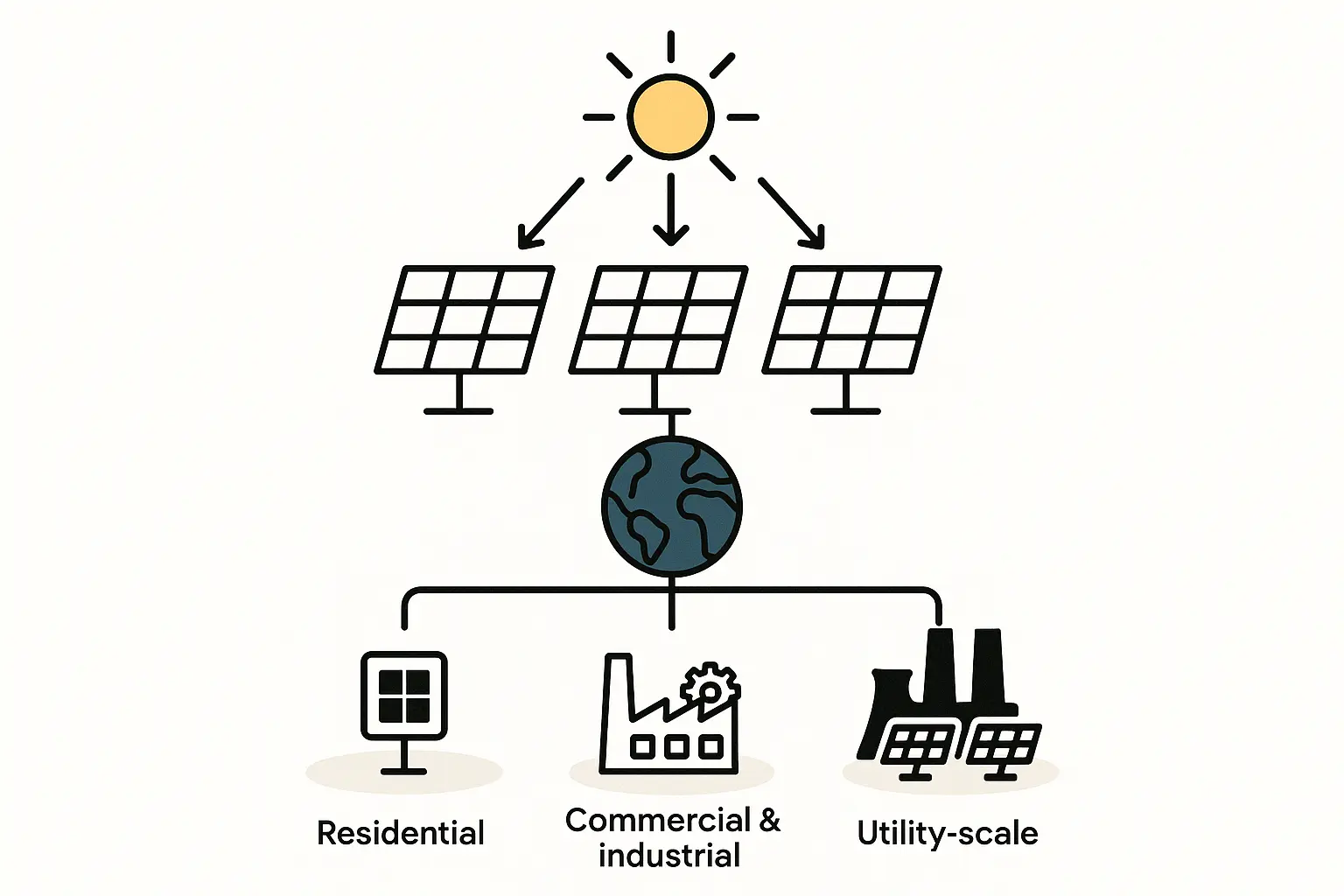
- Residential Solar: Affordable solar technology is empowering homes to cut costs and access electricity, which is especially critical for off-grid rural households.
- Commercial & Industrial (C&I) Solar: Businesses across agriculture, mining, and tourism are adopting solar PV for cost efficiency and sustainable operations.
- Utility-Scale Solar: Large-scale solar projects like the Biópio Solar PV Plant, Quilemba Photovoltaic Power Plant, and the Caraculo Project are contributing significantly to Angola’s solar landscape.
Projections for Domestic Market Growth
Analysts foresee substantial growth in Angola’s solar market, fueled by government commitment, decreasing technology costs, and increased investment. Africa’s solar market is projected to surge by a remarkable 42% in 2025, positioning Angola to embrace this green energy wave.
The Case for Solar Panel Manufacturing in Angola
While meeting local energy demands is a priority, Angola harbors aspirations to manufacture solar panels locally—an ambitious but strategic vision for long-term sustainability.
Current Manufacturing Capacity: Ambition Meets Reality
Although Angola primarily relies on imported panels for its projects, the aspiration to establish local manufacturing capacity remains strong, driven by the goals of self-reliance, job creation, and economic value retention.
Angola’s Potential Advantages for Manufacturing
Why Angola? The country’s compelling advantages for solar panel manufacturing include:
- Sunshine Abundance: High solar radiation levels ensure a ready market for locally produced panels.
- Market Accessibility: Proximity to burgeoning export markets in neighboring countries.
- Government Support: Favorable policies can bolster industrial growth and the use of local content.
- Economic Benefits: Local manufacturing stimulates job creation and fosters economic diversification.
- Strategic Geographic Position: Angola’s location offers access to markets within SADC and adjoining regions.
Challenges to Establishing Manufacturing
Building a solar panel manufacturing sector presents significant challenges:
- Initial Investment Requirement: Setting up facilities requires substantial capital.
- Infrastructure Development: Reliable power supply, efficient transportation, and suitable industrial zones are imperative.
- Skill Gap: The industry demands a skilled workforce, making effective training programs essential.
- Supply Chain Complexity: Securing a consistent supply of raw materials is critical.
- Competition: Global competition, particularly from low-cost producers, poses a formidable challenge.
Export Potential: Angolan Solar Panels on the African Stage
Looking beyond its borders, Angola has the potential to emerge as a notable solar panel exporter, especially to neighboring African countries.
Why Export? The Strategic Rationale
Angola’s foray into exporting solar panels offers numerous strategic advantages:
- Economic Diversification: Exporting solar panels introduces a lucrative commodity, reducing dependency on traditional exports.
- Regional Clean Energy Advocacy: The export drive supports renewable energy transitions across the region.
- Economies of Scale: Expanding the market boosts manufacturing efficiency and competitiveness.
- Local Innovation and Talent Development: An export focus stimulates innovation, skill development, and talent retention.
Target Markets
Potential export destinations for Angolan solar panels include:
- SADC Region: Countries like Botswana, Namibia, Zambia, and the Democratic Republic of Congo show promise due to their renewable energy initiatives and increasing solar demand.
- Broader African Markets: Central and West African countries present additional export opportunities for Angola’s solar panels.
Angola’s Accession to SADC Free Trade Area: A Game Changer
Joining the SADC Free Trade Area is poised to elevate Angola’s export prospects by reducing trade barriers, streamlining processes, and easing market access within the region.
Competitive Landscape in Export Markets
Securing a share in export markets requires a strategic approach focused on:
- Competitive Pricing: Efficiency in production and leveraging SADC FTA advantages can enhance price competitiveness.
- Quality and Resilience: Adhering to international quality standards while developing products suited for varied African climates.
- Proximity Advantage: Access to regional markets offers logistical benefits.
- After-Sales Support: Building robust customer service networks enhances competitiveness.
- Tailored Solutions: Designing products to meet specific regional needs can bolster market penetration.
Logistical Considerations for Export
Seamless logistics are critical for successful exporting, requiring efficient transportation links, reliable infrastructure, and streamlined customs procedures.
SWOT Analysis: Angolan Solar Panel Manufacturing & Export
A SWOT analysis highlights the key factors surrounding Angola’s solar manufacturing and export ambitions:
- Strengths: Abundant solar resources, a growing domestic market, strong government backing, job creation potential, and a strategic regional position.
- Weaknesses: Starting from scratch, capital requirements, infrastructure gaps, skilled labor scarcity, and raw material dependence.
- Opportunities: Enormous electricity demand, export potential, international partnerships, declining PV costs, shaping local content policies, and favorable market projections.
- Threats: Intense global competition, policy uncertainties, economic volatility, logistical challenges, and price-sensitive markets.
Policy, Incentives, and Investment Climate

A solid policy framework and investment climate are essential to realizing Angola’s solar energy potential:
- Angolan Government Initiatives: Initiatives like the Angola Energy 2025 Strategy and various financial mechanisms focus on strengthening the solar sector.
- Financial Mechanisms: Incentives, access to finance, and PPPs are critical for stimulating solar sector growth.
- Role of International Finance: Collaborations with international financial institutions like EXIM Bank, the World Bank, and the AfDB are essential for financing Angola’s solar objectives.
Learning from Others: Renewable Energy Export Strategies
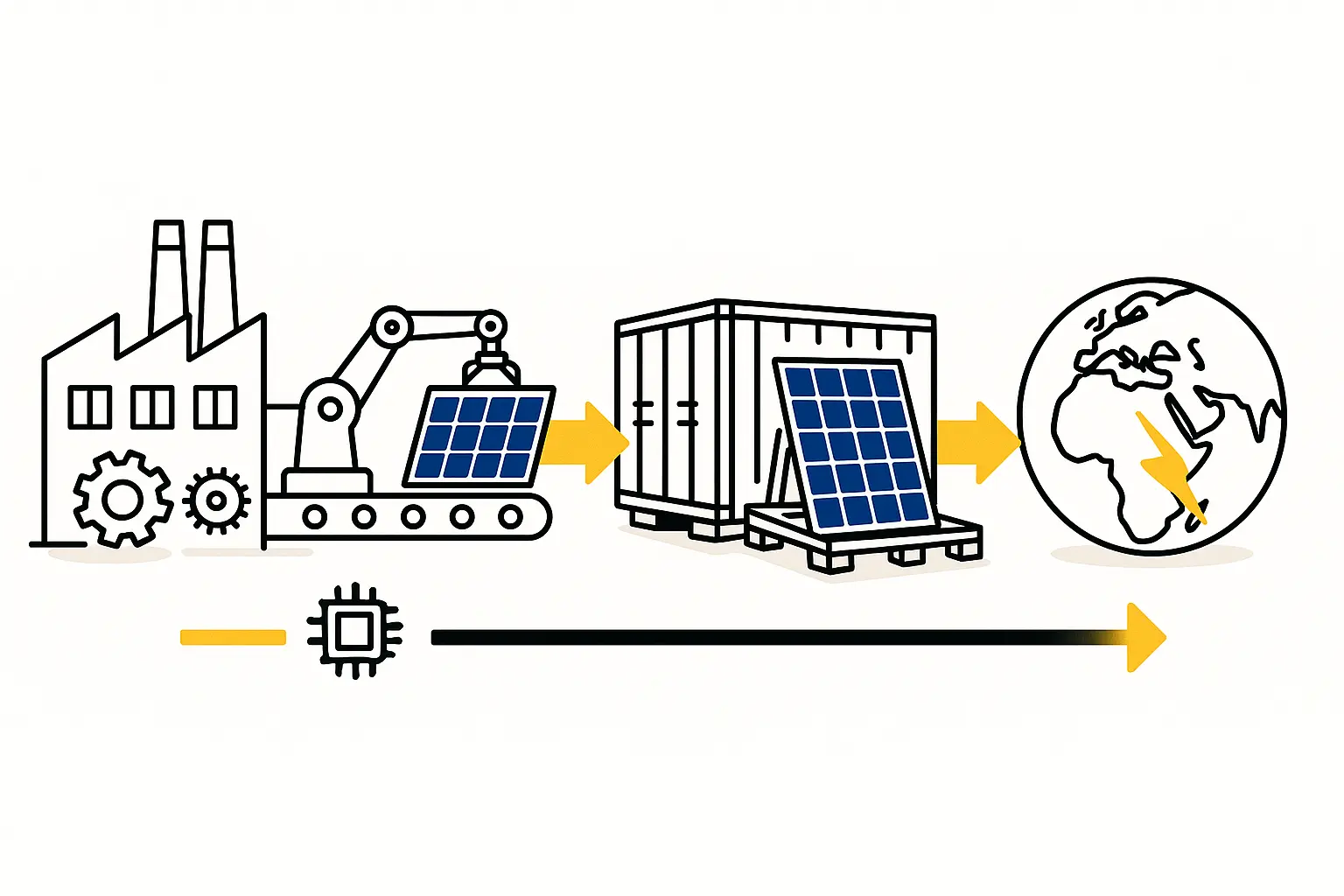
Angola can draw valuable insights from successful renewable energy export models worldwide:
- Government Support: Long-term commitment and strategic planning are key.
- Talent Development: Prioritizing workforce training and education enhances local skill development.
- Partnerships: Collaborating with global technology leaders expedites progress.
- Phased Growth Approach: A gradual evolution from assembly to full-scale local manufacturing can drive sustained development.
- Regional Integration: Leveraging regional trade agreements and identifying market niches are key to success.
The Path Forward: Realizing Angola’s Solar Export Potential
The roadmap to unlocking Angola’s solar export potential requires coordinated efforts from various stakeholders:
- Government Action: Formulating clear strategies, incentives, infrastructure development, and regulatory streamlining are crucial.
- Investor Engagement: Exploring partnerships, tapping into the entire solar value chain, and seizing growth opportunities are essential.
- Manufacturer Insights: Embracing modern technology, focusing on skill development, building robust supply chains, and ensuring quality assurance are vital for success.
- Educational Role: Developing tailored training programs to equip the local workforce with necessary industry skills is crucial.
- International Collaboration: International partners can contribute vital financial support, technological expertise, and capacity building.
Conclusion: A Bright Future Powered by Angolan Sunshine
Angola’s journey toward solar prominence is both ambitious and transformative. The momentum behind solar energy adoption, combined with plans for local manufacturing and export, heralds a promising era of sustainable growth. Despite the challenges, Angola is poised not only to illuminate its own path but also to help guide the African continent toward a cleaner, brighter future. The unfolding story of solar progress in Angola is a compelling one, and its next chapters are eagerly awaited.