Building a Solar Future: Can Antigua and Barbuda Make Its Own Solar Panels?
Let’s cut to the chase: Antigua and Barbuda gets a ton of sun. Anyone who’s been here knows what I’m talking about—you feel it, you see it on the water, it’s everywhere. But that sunshine isn’t just for tourists or growing fruit. For this country, it could mean energy independence and real progress. Using that sun is one thing. Making the gear right here? That’s the next level. It’s difficult, but it’s worth a serious look.
Everyone’s talking about solar power now. For places like Antigua and Barbuda, it’s not a luxury; it’s a strategy for survival in the coming decades. Still, there’s a wide gulf between buying solar panels and building them from scratch. Moving up that supply chain is a tall order. If you’re thinking of setting up a solar panel factory here, you have to be realistic about the work involved.
In my experience—over 20 years knee-deep in solar manufacturing—you need two things above all: the right people and the right materials. Miss either one, and you’re dead in the water.
Let’s break down what that really means.
Table of Contents
Ready to Illuminate Your Solar Path?
Want to learn more or need expert help? Visit our free e-course or explore our services. If you’re ready to dive deeper, our Premium Business Plan E-Course offers personalized guidance to get your venture off the ground. Let’s make your solar journey smooth and successful.
The People: Skills Before Machinery
There’s no way around it—factories run on people. Robots and machines help, but skilled hands and brains are the real engine. If Antigua and Barbuda wants to make its own solar panels, the first question is simple: who’s actually going to do the work?
Quick Look at the Labor Pool
There’s a workforce here waiting for new options. The 2018 Labour Force Survey, for instance, reported over 10% unemployment among people with primary or lower secondary education—that’s a large group that could handle basic assembly and manufacturing jobs. Plus, with the IMF expecting 4.3% GDP growth this year, conditions look favorable for starting something new.
But entry-level jobs are just one piece of the puzzle. Modern solar factories need specialized skills, too.
Who You Need on Your Team
This isn’t just about plugging parts together. You need:
- Engineers to set up the production lines, monitor quality, and solve problems daily.
- Technicians to operate the machines and fix them when they inevitably break.
- Quality control specialists to inspect each panel and ensure no mistakes get through.
The IMF has called out skilled labor shortages here, which isn’t surprising. That’s not a dealbreaker, but it means organizing solid training from the start is non-negotiable. There’s no skipping this step, no matter what anyone tries to sell you.
Training Is the Difference
The government already sees this gap and has a “Workforce Development Strategy” focused on renewables. That’s a good start, but a solar panel line needs specific, hands-on know-how. If you want to move fast and get things right, partner with someone who’s done it before. That’s one of the main reasons folks work with us: we provide practical training on the ground, at the factory itself.
Labor Costs and Law
You’ll need to research local pay rates. And if you’re serious about this, you need to create quality jobs, not just minimum-wage placeholders. Adhere strictly to labor laws—it’s not about red tape, it’s about attracting and retaining the talent you want to keep.
The Stuff: Getting Materials to an Island
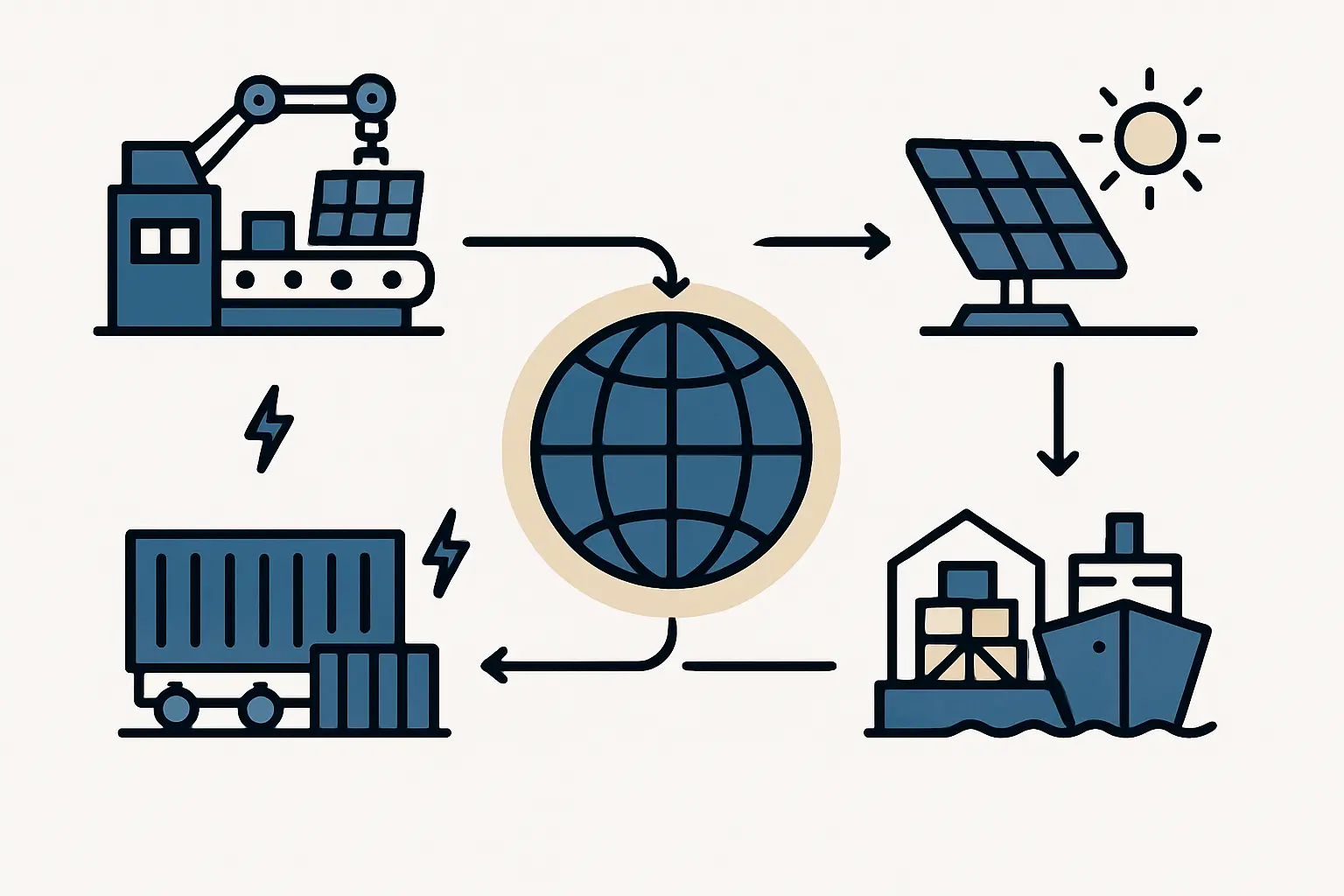
Here’s the reality: solar panels require precise materials that you won’t be making on-island. You’re importing:
- Polysilicon (for the cells)
- Specialized glass (tempered, low-iron)
- Aluminum (for the frames)
- EVA (the encapsulant that holds it all together)
- Backsheets (for weatherproofing)
Everything comes in by ship, landing at St. John’s Deep Water Harbour. You’ll need to get good at managing relationships with the port, navigating customs, and monitoring the international supply chain. Things happen—shipping delays, sudden tariffs, price spikes. These are just facts of life in this business.
Other Parts to Source
It’s not just raw materials. You’ll also need finished components:
- Solar cells (unless you plan to spend a fortune making them yourself—don’t)
- Junction boxes (where the wiring connects)
- Ribbons and busbars (to carry the electrical current)
My advice: Buy tech-critical parts from established global suppliers. For everything else, source regionally or locally if it makes sense—things like packaging or hardware. Finished solar panels are already imported, so you’ll be tapping into a process local partners already understand.
Logistics—Getting Materials In, Getting Panels Out
Once your materials hit the port, the clock is ticking. You need answers to these questions:
- Can you unload and clear containers quickly?
- Are the local roads suitable for heavy trucks?
- Where is your warehouse, and is it climate-controlled for sensitive components?
A lot of projects underestimate this part. Trust me, you don’t want to be figuring this out after your first shipment arrives.
Supply Chain Risks
Island-based factories have extra exposure. The main headaches are:
- Shipping delays (you should plan on them)
- Import duties that eat into your margins
- Goods damaged in transit (insure what matters)
- Geopolitical issues that cause material prices to fluctuate
Be proactive. Line up multiple suppliers, maintain a buffer stock, and don’t count on “just-in-time” delivery working out every time. This part isn’t glamorous, but it’s what keeps production running smoothly.
The Big Picture: A Business-Friendly Climate
I’ll give credit where it’s due: Antigua and Barbuda is serious about renewables, and reports confirm it. The country offers incentives, a stable economy, and pro-investment policies. This environment matters—a lot. It won’t solve your supply chain problems, but it makes getting started much easier.
Putting It Out There—The Reality Check
This won’t be easy. Launching a solar factory in Antigua and Barbuda comes with significant challenges:
- You need real know-how, which means building skills from the ground up.
- Every supply delay hits your schedule, hard.
- You’ll be fighting logistical headaches unique to island nations.
- You’re going up against large, established international competitors.
But there’s a real payoff:
- The government is actively encouraging this kind of development.
- You can start small and scale up as you grow.
- There’s a genuine regional market, especially across the Caribbean.
- Building this industry means better jobs and less reliance on imported energy.
So, look before you leap. But don’t dismiss the idea just because it’s hard.
Why It Helps to Have a Partner
If this is your first time, don’t go it alone. The pitfalls are avoidable if you learn from those who’ve made the mistakes already. We offer full solar production lines, mentoring, courses, and consulting—basically, we walk with you from start to finish. This isn’t a magic bullet, but it definitely stacks the odds in your favor.
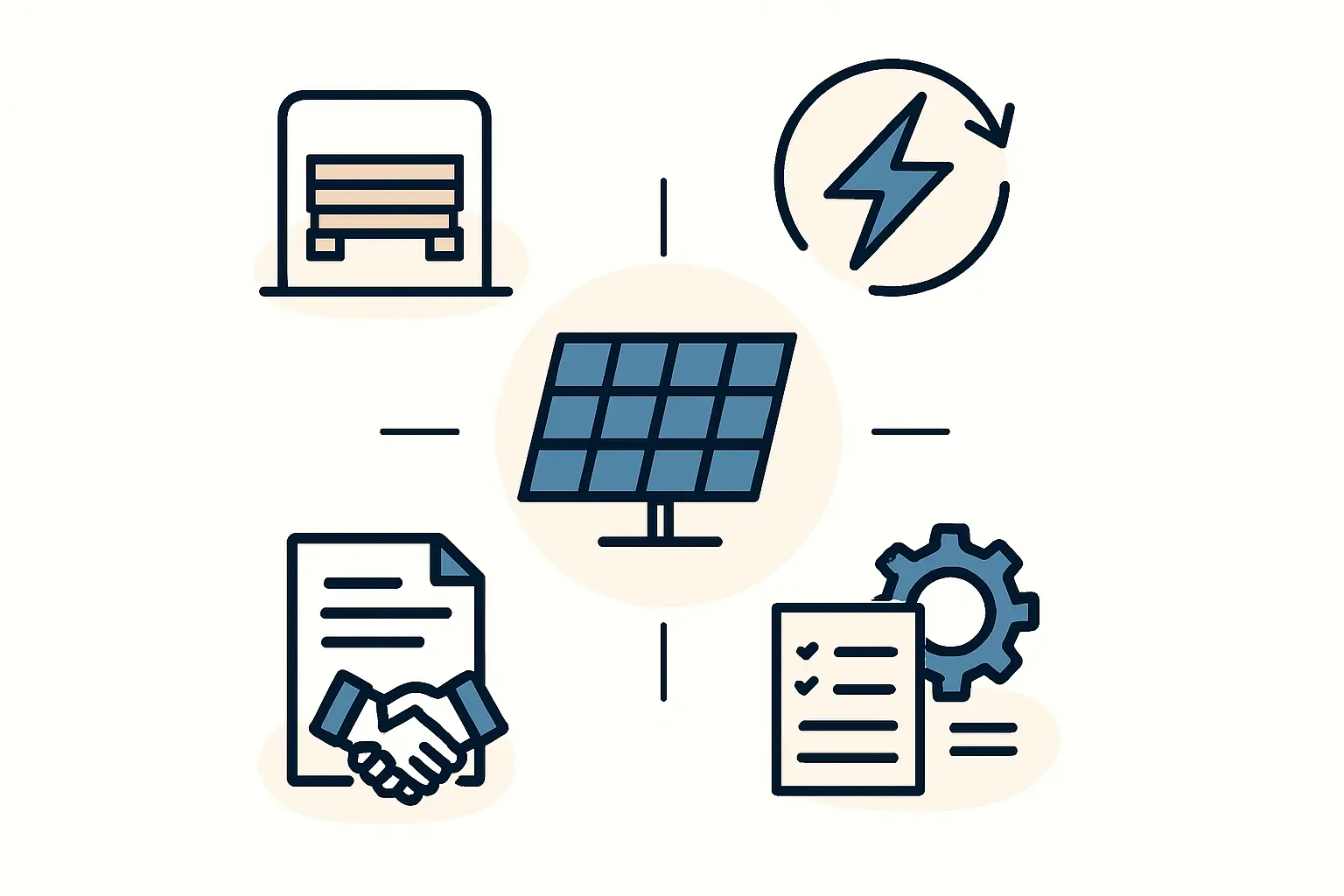
Antigua and Barbuda has the sun, the political will, and—with the right training—the people. With a clear plan and the right external support, it really can pull this off. That’s a future worth working for.
Frequently Asked Questions (FAQs)
What materials will I need to import for making solar panels here?
You’ll need to import polysilicon, specialized glass, aluminum frames, EVA encapsulant, and backsheets. There’s no way around this—all of these components come from global suppliers.
Who are the most important people to hire for a solar panel factory?
You need engineers, technicians, and people who are detail-obsessed with quality control. These roles aren’t “nice-to-haves”—they’re essential.
Is there already some clean energy training in Antigua and Barbuda?
Yes, the government has a workforce development strategy for renewables. It’s a good foundation, but you’ll need to provide more specialized, hands-on training for manufacturing.
What are the main logistical problems of manufacturing on an island?
Your biggest pain points will be dependence on sea freight, shipping delays, customs hassles, and the quality of local road infrastructure. These aren’t impossible to solve, but you can’t ignore them.
How do I actually build a good team for a solar plant here?
A good strategy is to partner with vocational schools, ensure your technology supplier provides proper on-site training, and then commit to continuously upskilling your team as the business grows. This is one area where shortcuts will bite you later on.