Entering the solar manufacturing industry presents a universal challenge: transforming raw materials into a high-performance, reliable, and bankable asset. For entrepreneurs considering unconventional markets like North Korea, this challenge is magnified. The central question becomes not just one of production, but of achieving a global quality standard that makes the final product viable for export and attractive to international investors.
This guide outlines the rigorous framework required to achieve International Electrotechnical Commission (IEC) certification for solar modules. It demonstrates how, even in a location with significant logistical and political hurdles, a disciplined approach to quality management and independent verification can create a path to success. The principles discussed here are fundamental to establishing any credible solar manufacturing operation, regardless of its location.
Why International Certification is Non-Negotiable
Before examining the production process, it’s essential to understand why third-party certification is so critical. An IEC certificate is effectively a passport for a solar module, allowing it to enter international markets. Without it, a module is considered unproven and carries a high risk for investors, developers, and end-users.
Key benefits of IEC certification include:
- Market Access: Most countries mandate IEC standards for grid-connected projects.
- Bankability: Financial institutions will not fund projects using non-certified components.
- Investor Confidence: Certification serves as independent proof that a manufacturer adheres to global best practices for quality and safety.
- Reduced Liability: It verifies that modules have passed rigorous durability testing against environmental factors like hail, wind, snow, and humidity.
For a factory operating in North Korea, achieving this standard would be a powerful differentiator, signaling a commitment to quality that transcends geopolitical complexities.
The Core Components of an IEC-Compliant Quality Management System
IEC certification is not a single event but the outcome of a robust, end-to-end Quality Management System (QMS). This system ensures that every module leaving the factory floor meets the same high standard. It is built on three pillars.
1. Inbound Material Control (IMC)
Quality begins with raw materials. A manufacturer must have strict protocols to verify that all incoming components on the Bill of Materials (BOM)—from solar cells and glass to encapsulants and backsheets—meet precise technical specifications.
In an environment like North Korea, where supply chains are complex, this stage is critical. It involves:
- Supplier Qualification: Vetting suppliers to ensure they can provide consistent, A-grade materials.
- Incoming Inspection: Laboratory testing of material samples before they are accepted into inventory.
- Traceability: A system to track every component from its origin to the final module’s serial number.
Failure at the IMC stage guarantees failure in the final product. No amount of manufacturing excellence can compensate for substandard materials.
2. In-Process Quality Control (IPQC)
IPQC means continuous monitoring and testing at key stages of the production line. This prevents defects from moving downstream and saves significant costs.
Key IPQC checkpoints include:
- Electroluminescence (EL) Testing: After cell strings are soldered, an EL test functions like an X-ray, revealing microcracks or other invisible defects that could lead to premature failure.
- Visual Inspection: Trained technicians conduct multiple visual checks to identify cosmetic flaws or assembly errors, such as misaligned cells or bubbles in the laminate.
- Lamination Control: Ensuring the laminator operates at the correct temperature and pressure to properly cure the encapsulant and bond the module’s layers.
Experience from J.v.G. turnkey projects shows that establishing these checkpoints with clearly defined pass/fail criteria is fundamental for achieving high production yields and consistent quality.
3. Outgoing Quality Assurance (OQA)
Before a module is packaged, it undergoes final performance and safety verification. This is the last gate before the product reaches the customer.
Key procedures include:
- IV Testing (Flash Test): Each module is exposed to a flash of simulated sunlight to measure its precise electrical characteristics, such as power output, voltage, and current. This data is printed on the module’s rating label.
- Final EL Test: A second EL test on the finished module confirms that no damage occurred during lamination and framing.
- High-Voltage Testing (Hipot): This safety test ensures the module’s electrical insulation is robust enough to prevent current leakage, protecting installers and system owners.
Navigating the Unique Challenges of Manufacturing in North Korea
While the principles of quality management are universal, applying them in North Korea presents a distinct set of challenges that require meticulous planning.

Supply Chain and Logistics
International sanctions and logistical hurdles complicate the procurement of A-grade raw materials. An operator must establish a highly resilient and fully compliant supply chain for solar components through permissible channels, a task requiring specialized expertise in international trade and logistics.
Talent and Training
While the local workforce may lack prior experience in photovoltaic manufacturing, this gap can be closed with a structured training regimen. Such a program, often part of a turnkey factory solution, is essential for cultivating a skilled team that understands and adheres to international quality standards.
Independent Verification and Auditing
Perhaps the greatest challenge is arranging for auditors from accredited bodies like TÜV Rheinland, VDE, or CSA to visit the factory. This process involves:
- Factory Audit: The certification body inspects the entire production process, from IMC to OQA, to ensure the QMS is being followed correctly.
- Sample Selection: The auditor randomly selects modules directly from the production line for testing. These samples are then sealed and sent to an accredited third-party laboratory.
- Laboratory Testing: The modules undergo a battery of tests simulating long-term exposure to harsh environmental conditions, as specified by IEC 61215 (performance) and IEC 61730 (safety).
Facilitating this requires significant diplomatic and logistical groundwork to ensure auditors have the necessary access and independence.
A Step-by-Step Pathway to Certification
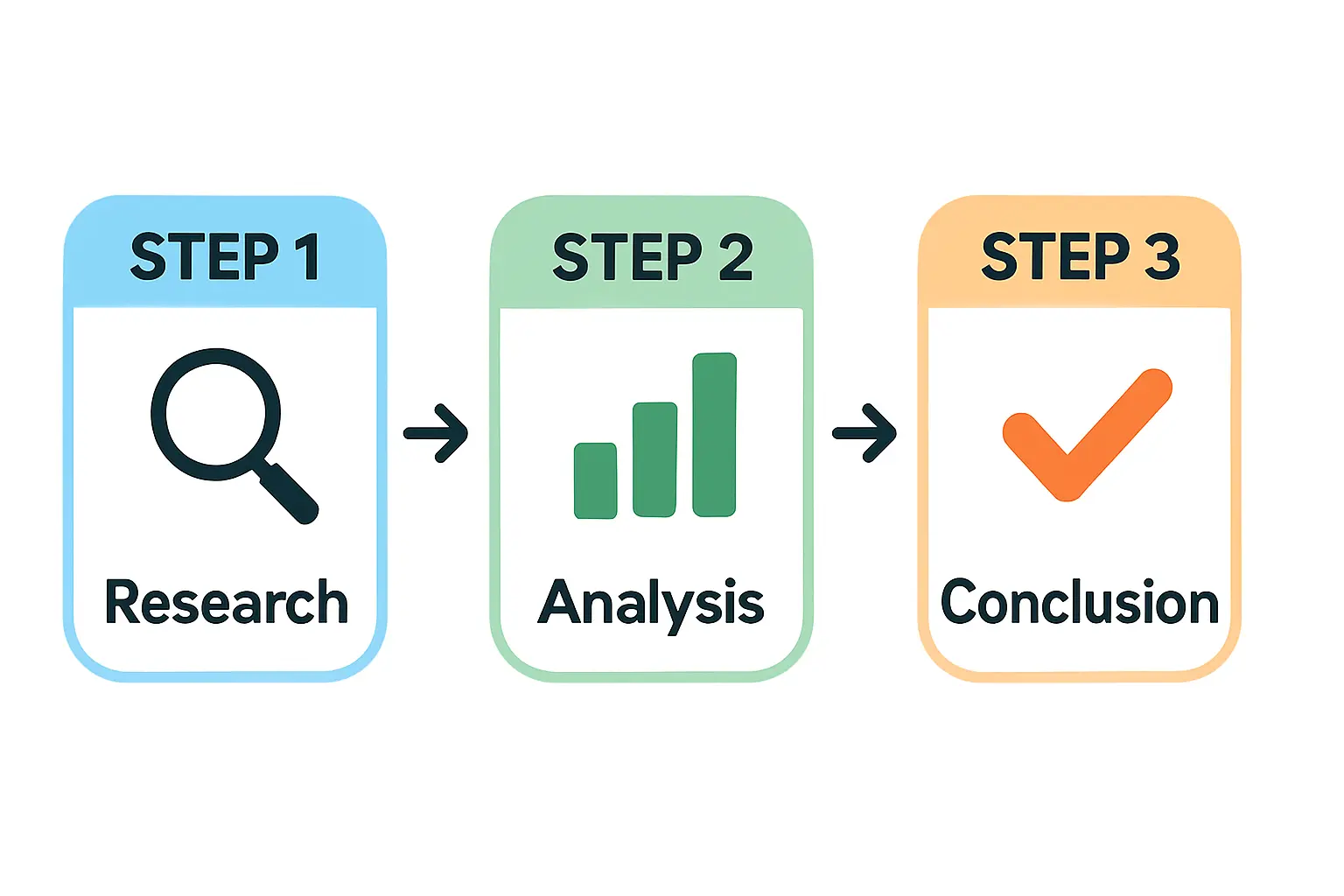
For an entrepreneur considering this venture, the path can be broken down into five key phases:
- Feasibility Study and Risk Assessment: A comprehensive analysis of the political, logistical, and economic viability.
- Securing a Compliant Supply Chain: Establishing reliable, long-term sources for all critical raw materials.
- Implementing a Turnkey Production Line: Partnering with an experienced engineering firm to design and install a solar panel production line with integrated quality control stations.
- Intensive Staff Training Program: Executing a rigorous training program for local operators and quality managers, covering both theory and hands-on practice.
- Engagement with a Certification Body: Initiating contact with an accredited body early in the process to ensure the factory design and QMS will meet auditing requirements.
This structured approach transforms a daunting challenge into a manageable, process-driven project.

Frequently Asked Questions (FAQ)
What are the main IEC standards for solar modules?
The two primary standards are IEC 61215, which covers performance and durability (e.g., thermal cycling, humidity-freeze, and mechanical load tests), and IEC 61730, which covers safety (e.g., electrical insulation, fire resistance, and materials requirements).
How long does the IEC certification process typically take?
After the factory is running stable production, the process of auditing, lab testing, and final certification typically takes six to 12 months. This follows the initial preparation of the factory and QMS, which can itself take over a year.
Is it possible to use locally sourced materials?
For non-critical components like aluminum frames or packaging, local sourcing might be possible after extensive qualification. However, for core BOM components like solar cells, EVA encapsulant, and high-transmission glass, using established international suppliers with existing certifications is generally necessary to pass the rigorous IEC tests.
What is the role of a third-party laboratory?
The third-party lab provides unbiased, independent verification that a manufacturer’s modules meet IEC standards. The certification body bases its final decision on this data, and this independence is what gives the certificate its international credibility.
Conclusion: From Concept to Certified Reality
Manufacturing internationally certified solar modules in North Korea is an ambitious undertaking fraught with unique obstacles. However, it is not an impossible one. Success hinges on an unwavering commitment to global quality standards, implemented through a meticulously designed and executed Quality Management System.
By prioritizing process over location and partnering with experienced technical consultants, entrepreneurs can build an operation capable of producing world-class products. The journey from a factory concept to a globally recognized certification is complex, but for those with the right guidance and dedication, it is an achievable goal.
A structured planning resource, such as the e-course provided by pvknowhow.com, can help lay the essential groundwork for such a project.